
Sitting down together at the dinner table is, for me, the single most important parenting act of the day. It’s not primarily about the food we serve; it’s about connection. Facing one another, listening, and being present for a shared moment builds relationships in a way that grab-and-go meals rarely do. As the saying goes, breaking bread together is deeply bonding.
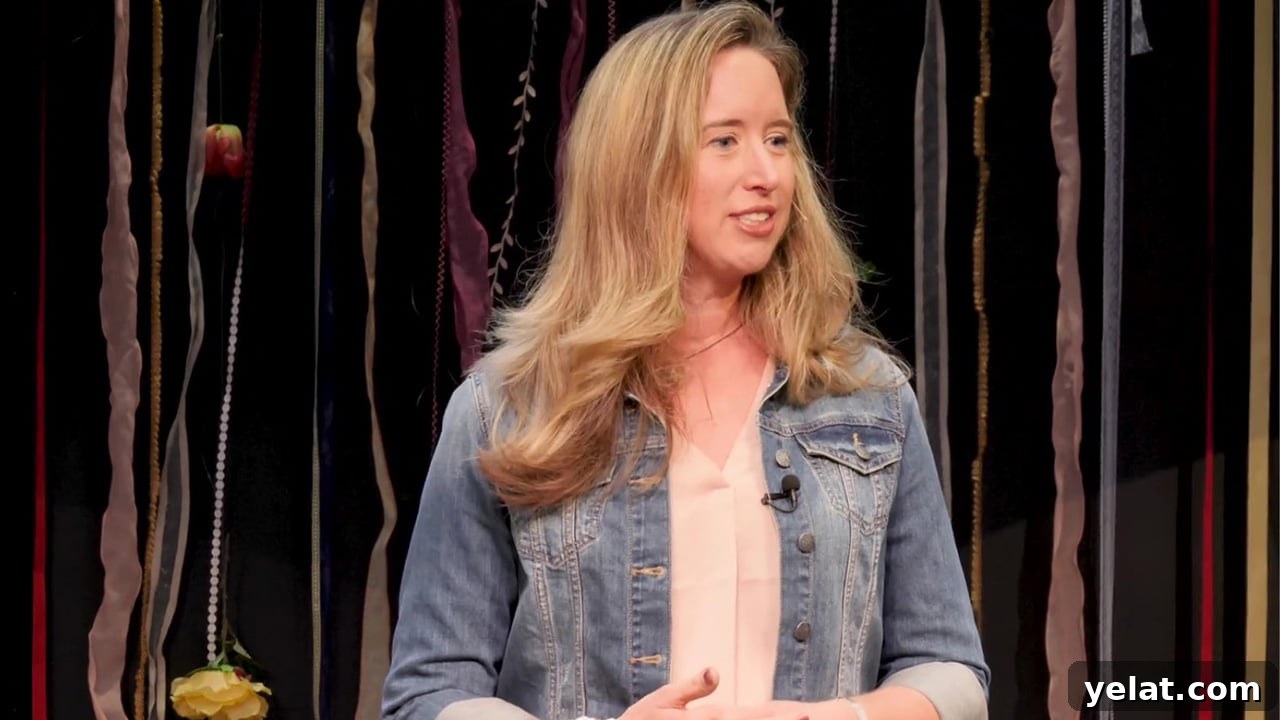
Too often when we talk about a healthy relationship with food, the conversation ends at food choice. In a presentation I gave to a group of mothers, I suggested that the foods we pick are usually symptoms of a larger food culture we create at home. If you want different choices on the plate, begin by examining the everyday habits, routines, and attitudes around eating.
One challenge in modern American life is that there are few cultural rules around when, where, how, or even why we eat. Meals happen in cars, at desks, in front of screens, or standing in line. Breakfast is available all day and drive-thrus operate late into the night. With food available anytime and anywhere, people eat out of boredom, convenience, habit, or distraction. That environment favors portable, shelf-stable, no-prep options, which often leaves little room for balanced nutrition.
When we focus only on the immediate question of “what” to eat, we miss the broader benefits of shared mealtime. Instead of jumping straight to food choices, try stepping back and deciding the framework: when will you eat and when will you not, where will you eat and where you won’t, how will you eat and how will you not, and why you choose to eat at particular times or places. Once those practices are in place, choosing healthier foods becomes much easier.
For example, if your family agrees that food is eaten sitting at a table (not at desks or coffee tables), at set times, with certain utensils, and often with specific people, it naturally shifts the kinds of foods you prepare and serve. Those boundaries make balanced meals more practical and meaningful. They also make exceptions special. When eating in front of the TV, on a road trip, or with fingers becomes an occasional treat instead of the default, those moments become memorable rather than habitual.
If you’ve been struggling with recurring poor food choices, reframing the issue as a matter of food culture can help you avoid fighting the same battles repeatedly. Changing routines and expectations around eating can support better individual choices, improve family meal habits, and even strengthen family dynamics overall.
This talk is a bit longer than my usual pieces, and I still feel there’s more to say. Food isn’t a primary topic in most of my writing, but I do eat and I feed others regularly. Creating a healthy food culture at home simplifies daily decisions and contributes to a more abundant, balanced life.
Further reading
- 5 Life Habits for Healthy Skin
- How to Clean Your Fridge Inside & Out
- 22 Ways to Go Organic on a Budget
- If It Can Rot, Eat It