As our society becomes increasingly health-conscious, more people are choosing to learn about their food, read labels and avoid harmful corporate practices. At the same time, cleaner, more transparent brands and products are appearing on store shelves across the country. There has never been a better moment to embrace a greener lifestyle and move away from highly processed foods.
Welcome to Garden in the Kitchen. I’m excited to share my first post about life with a garden. If you’re new here, I recently rebranded to combine two of my greatest passions: growing food and cooking with it. I don’t claim to be an expert—just a nature lover, enthusiastic gardener and self-described foodie.
Let’s talk about a naturally sweet herb that’s gaining popularity: stevia.
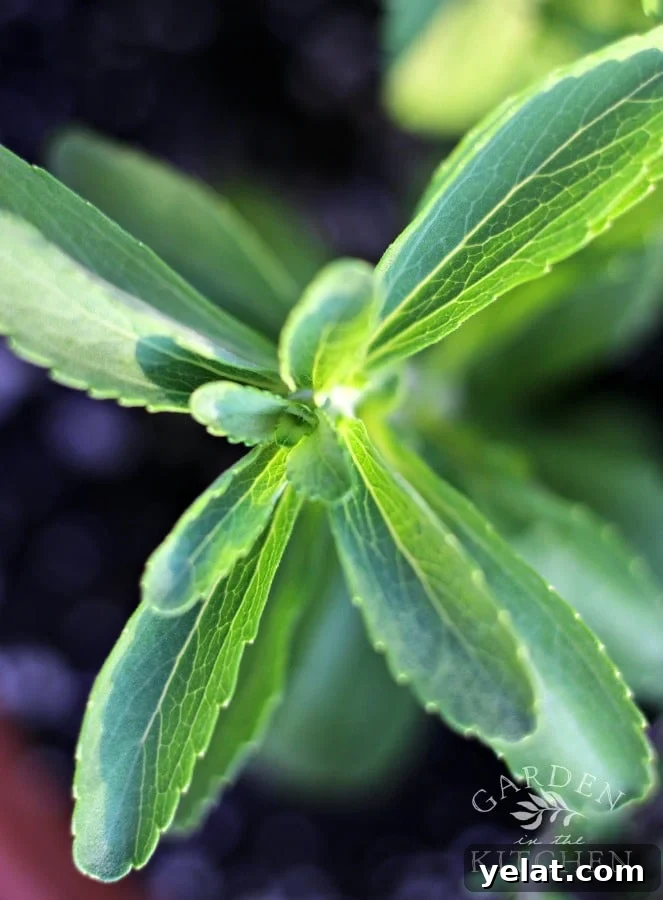
Stevia is a leafy, calorie-free sweetener native to Paraguay and Brazil. It has been used for centuries both as a sweetener and for traditional medicinal purposes. Stevia is many times sweeter than sugar yet contains no calories, making it a useful alternative for people watching their weight or sugar intake. I fell for it immediately—one bite of a fresh leaf convinced me to bring home two plants.
Since then I’ve learned how versatile stevia can be. I use it in smoothies, juices, lemonades and teas (see the recipe below). It can also be used in cooking, but be aware it does not caramelize like sugar and may change texture in baked goods. Fresh stevia is excellent for sweetening beverages and as an edible garnish; here are a few ways to use it in the kitchen.
Fresh Stevia – Fresh plants are available at many nurseries and garden centers. Stevia can be grown in the ground or in containers. Plant it in rich, well-draining soil and give it full sun. Avoid overwatering—stagnant, soggy soil will stress the plant. Harvest larger, older leaves to encourage continued growth. Add fresh leaves to drinks by blending or steeping, or pair them with mint for a refreshing herbal tea.
Dried Stevia – Drying stevia leaves creates a powder that’s handy for cooking and baking. To dry, cut branches at the base and strip the leaves from the stems. Rinse and air-dry the leaves for about 12 hours in sunlight or a warm, dry spot. Once fully dry, grind the leaves in a food processor or mortar and pestle. Use the powdered stevia in sauces, baked goods and beverages where a dry sweetener is preferred.
Liquid Stevia – A concentrated liquid sweetener can be made from fresh or dried leaves. Simmer one cup of water with half a cup of crushed fresh or dried stevia until small bubbles appear (do not reach a rolling boil). Allow the mixture to cool, strain out the solids and store the liquid in an airtight container in the refrigerator. Use this concentrate to sweeten coffee, teas, dressings and sauces where a liquid sweetener works best.
Bonus Recipe
Try a refreshing Pineapple Lemonade sweetened with fresh stevia leaves for a naturally sweet summer drink. Using fresh stevia adds a bright, clean sweetness that complements citrus and tropical flavors.
If you want more guidance on growing and using stevia, there are cookbooks and guides that cover cultivation, recipes and practical tips for incorporating stevia into everyday cooking. Stevia’s commonly cited benefits include: zero calories and carbohydrates, potential support for blood-sugar management, anti-inflammatory properties and cavity prevention when used instead of sugar.