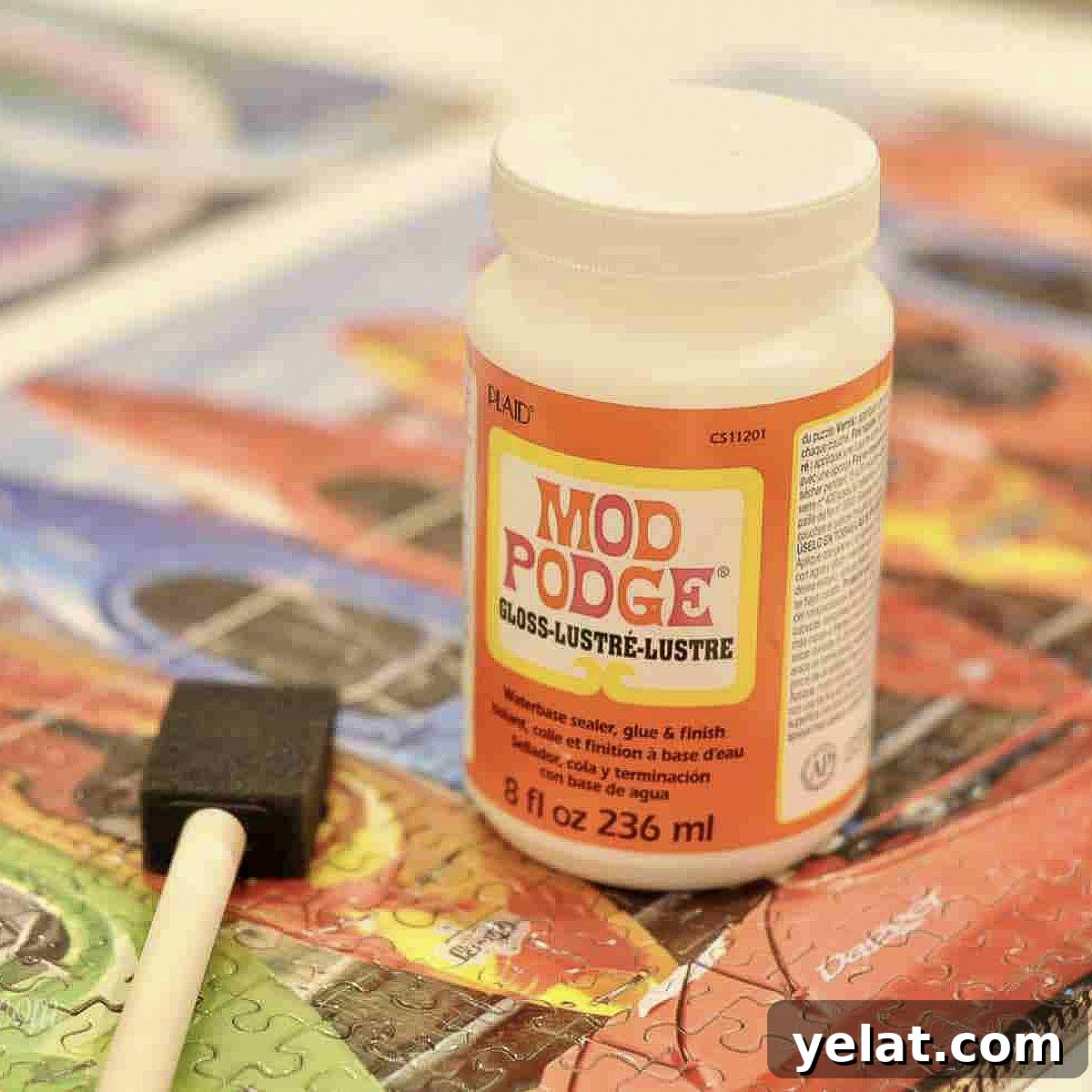
This tutorial on how to glue a puzzle shows an easy, budget-friendly way to permanently bond jigsaw pieces using simple craft glue (Mod Podge). If you want to preserve a finished puzzle for framing or wall decor, follow this clear step-by-step guide.
Paid links used in this post.
This post is a bit different from my usual content, but it’s a practical DIY that can turn a family project into meaningful decor for shared spaces in your home.
When the pandemic began, our family spent many evenings working on jigsaw puzzles together. At our kids’ ages it was a simple, affordable activity everyone could enjoy. I didn’t want to take apart those completed puzzles, so we learned how to preserve them instead.
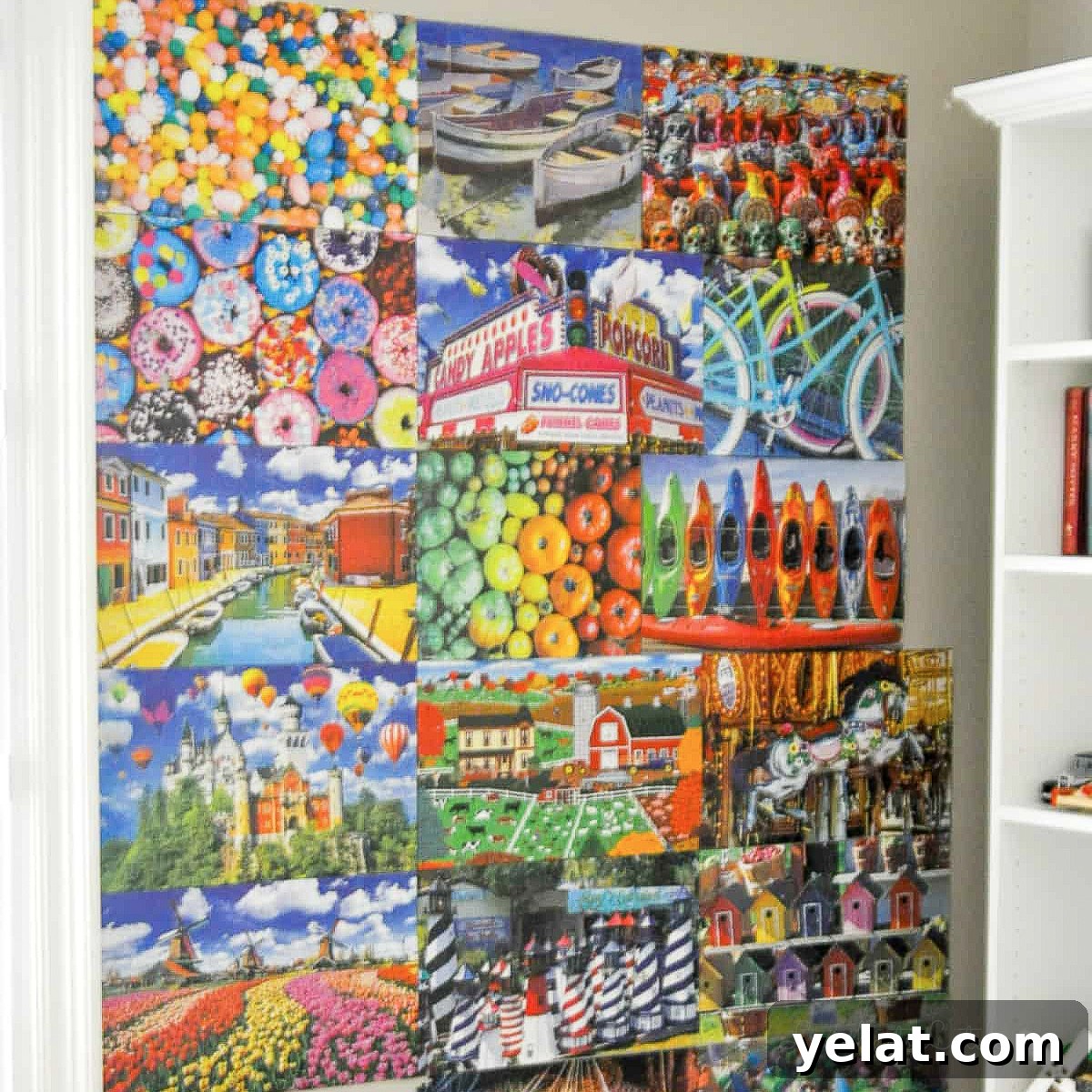
Since then we’ve preserved dozens of puzzles and created a distinctive display in our craft room that showcases the time we spent together.

Gluing a puzzle is straightforward. You only need a few common craft supplies you might already have at home.
Supplies You Need to Glue a Jigsaw Puzzle
You don’t need a special “puzzle saver” kit. These basic supplies are sufficient:
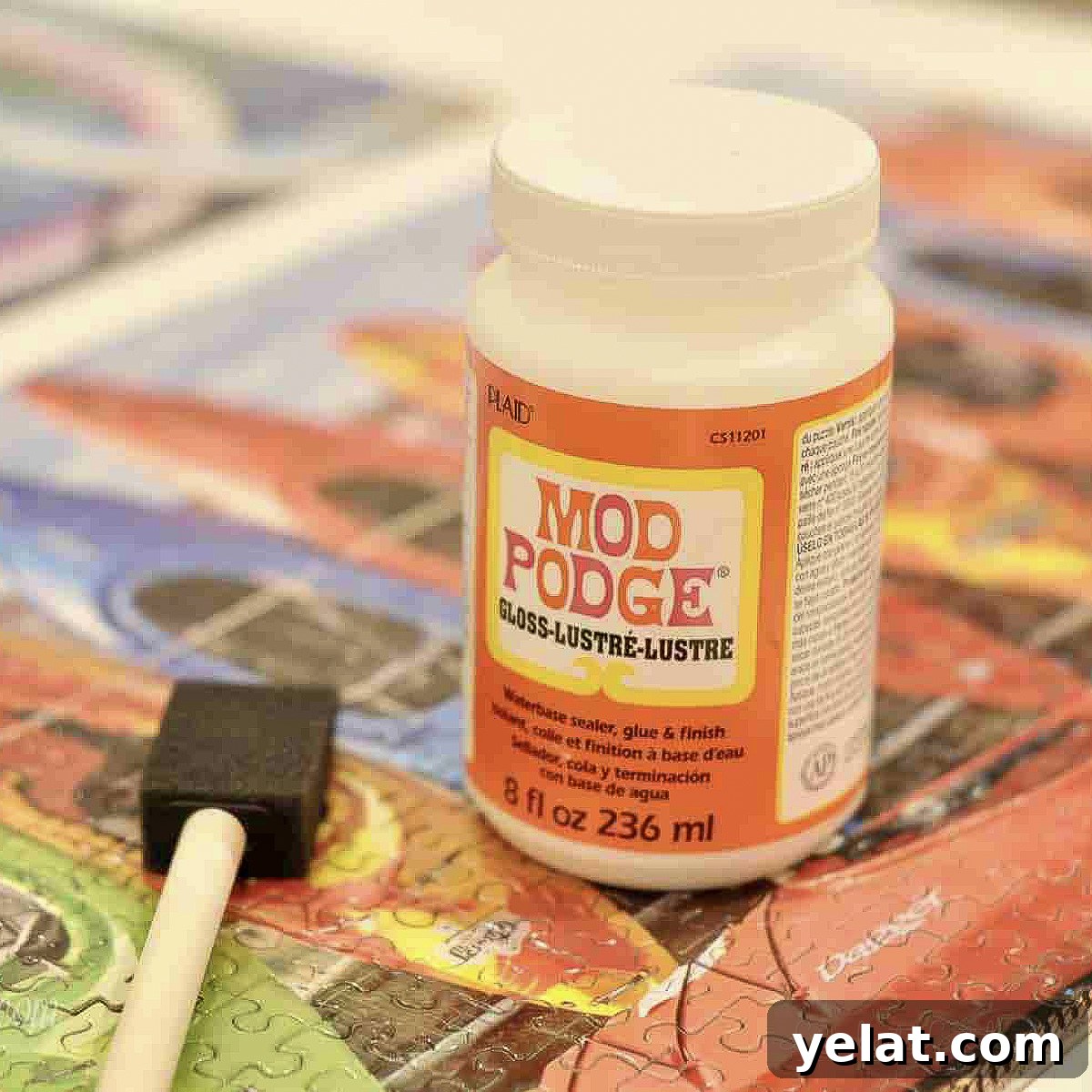
- Mod Podge (Gloss or Matte): The original formula works well; a specialty puzzle glue isn’t required.
- Sponge Brush: An inexpensive disposable sponge brush makes application simple.
- Protective Surface: Use cardboard, parchment paper, or wax paper to protect your table while gluing.
How to Glue a Puzzle Together: A Step-by-Step Tutorial
Step 1: Prep Your Workspace and Puzzle
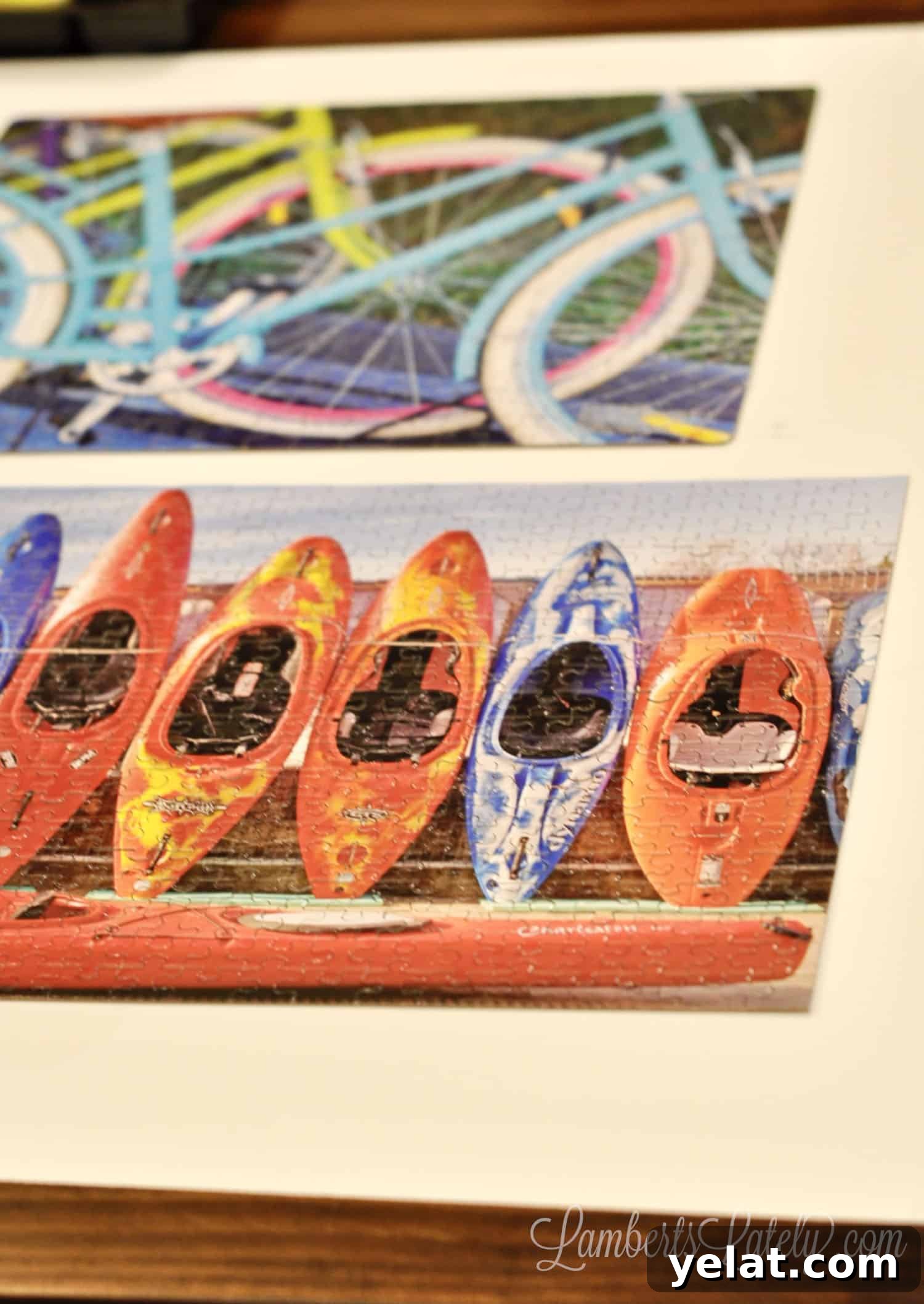
If you assembled the puzzle on a non-portable surface, gently slide the finished puzzle onto a piece of poster board or cardboard so you can move it easily. Make sure the pieces lie flat and remove any dust, pet hair, or debris before gluing.
Step 2: Apply the First Coat of Glue to the Front
Pour a small amount of Mod Podge near the center and use the sponge brush to spread it outward toward the edges in a thin, even layer.
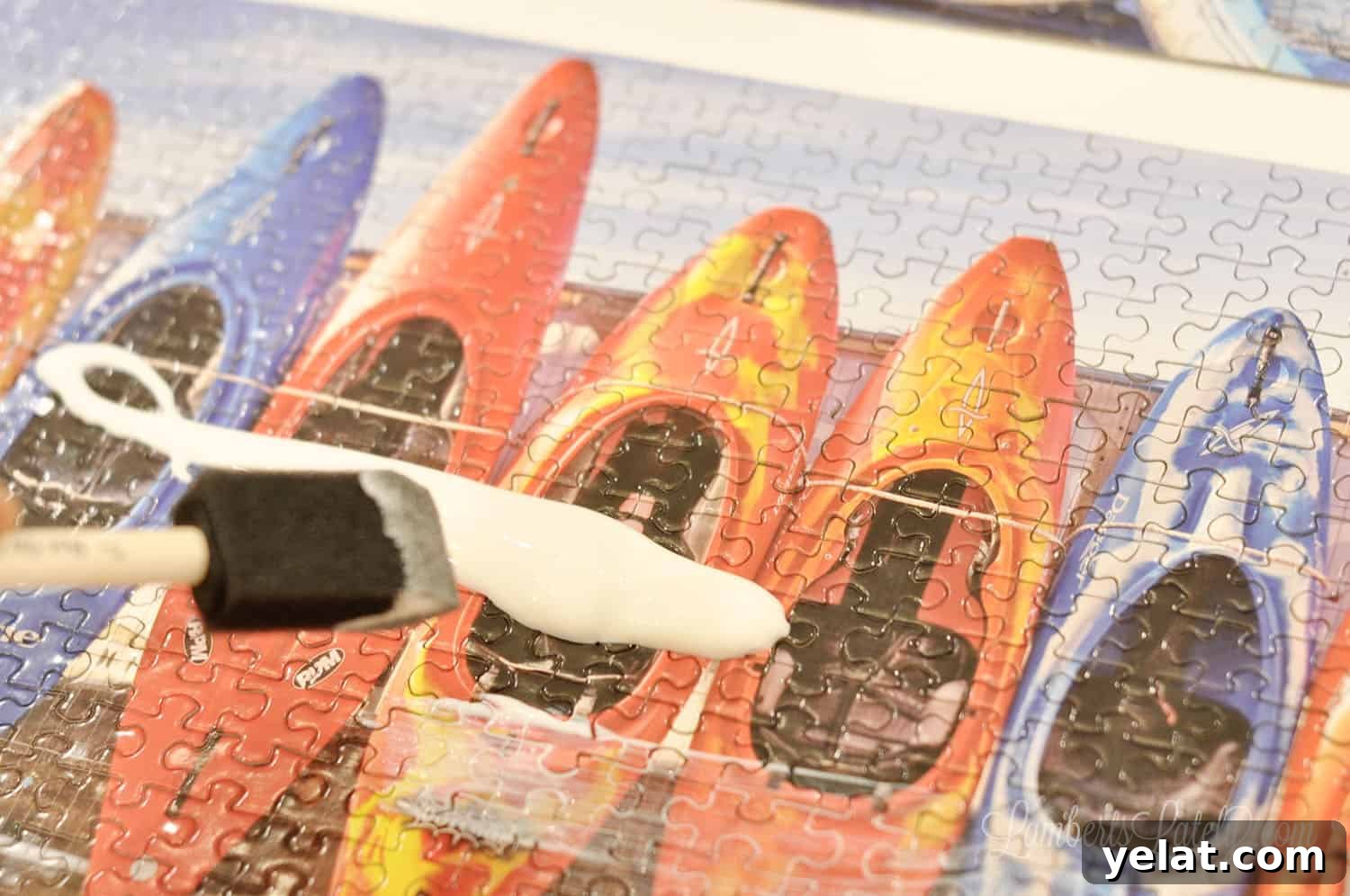
Tip: Think of this like grouting tile—work the glue into the gaps between pieces while keeping only a thin coat on the surface. For a typical 500–1,000 piece puzzle, roughly 1/4 cup of glue is usually enough.
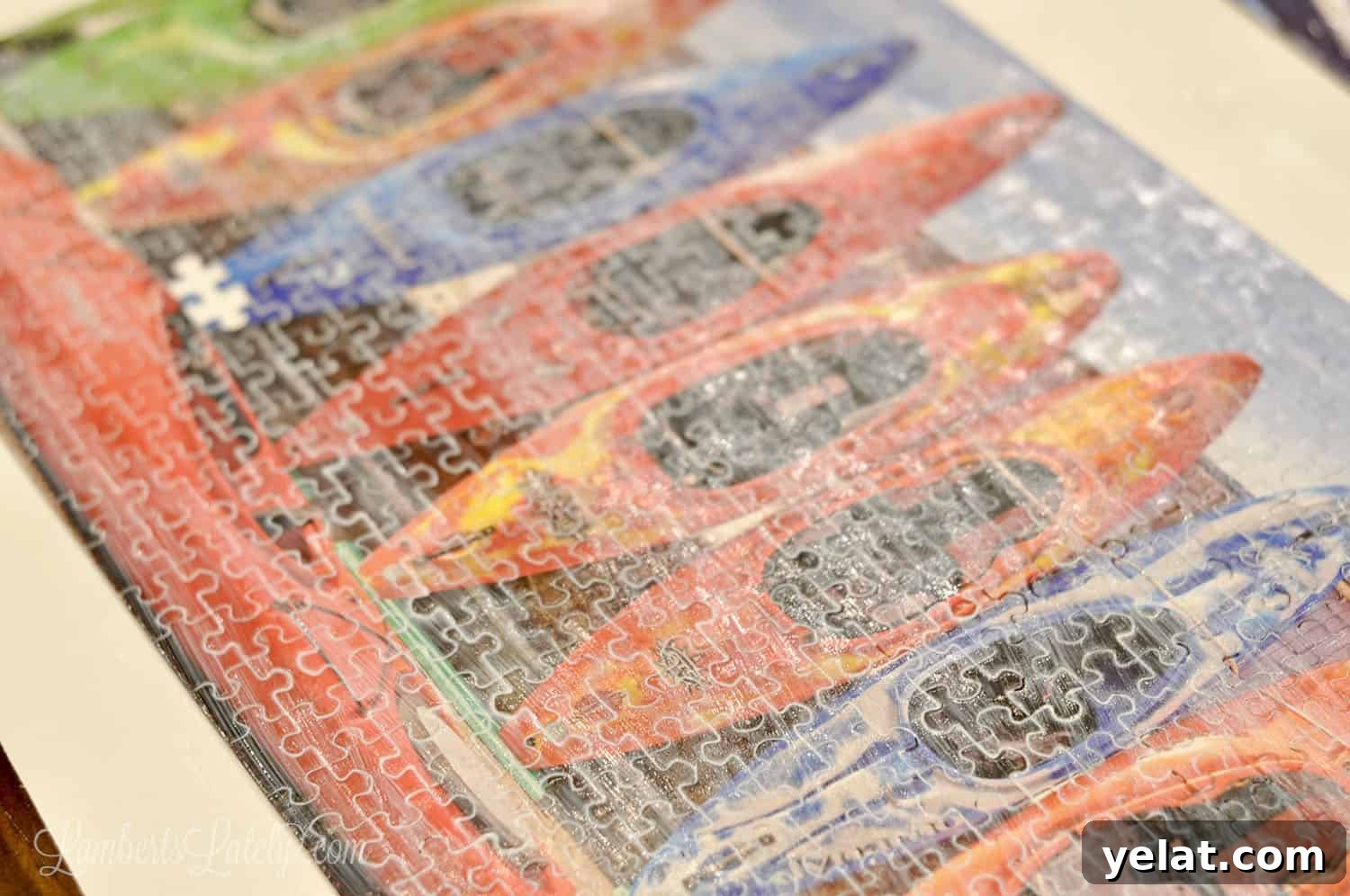
Step 3: Let it Dry and Apply a Second Coat
Let the first coat dry for 30–60 minutes. It will appear cloudy while wet but will dry clear. Add a second thin coat for added durability once the first coat is fully dry.
Step 4: Flip the Puzzle to Glue the Back
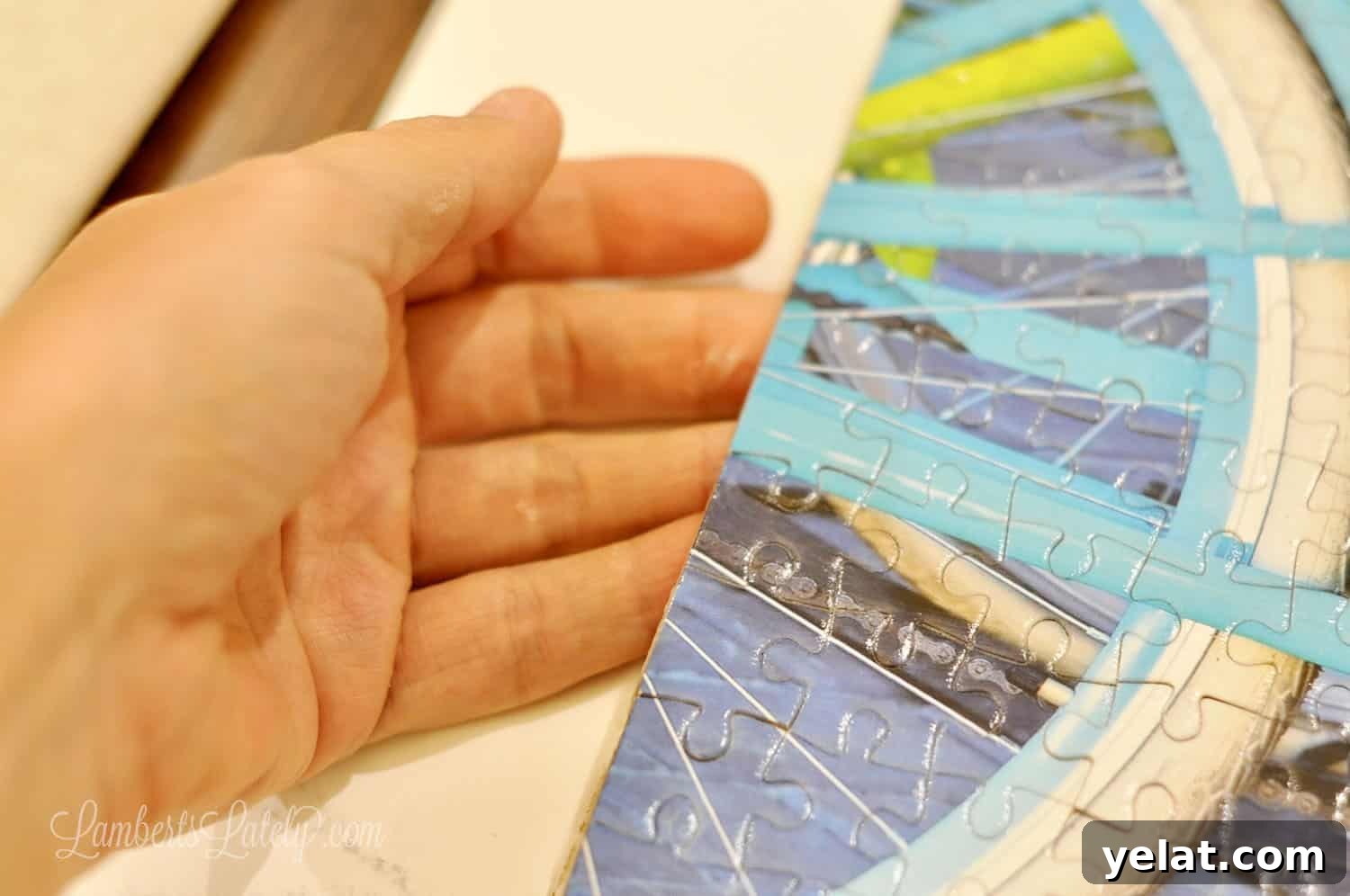
When the front is completely dry, carefully remove the puzzle from the work surface and flip it over. Repeat the same thin, grout-like application on the back. Sealing both sides keeps the puzzle rigid and prevents pieces from shifting when displayed.
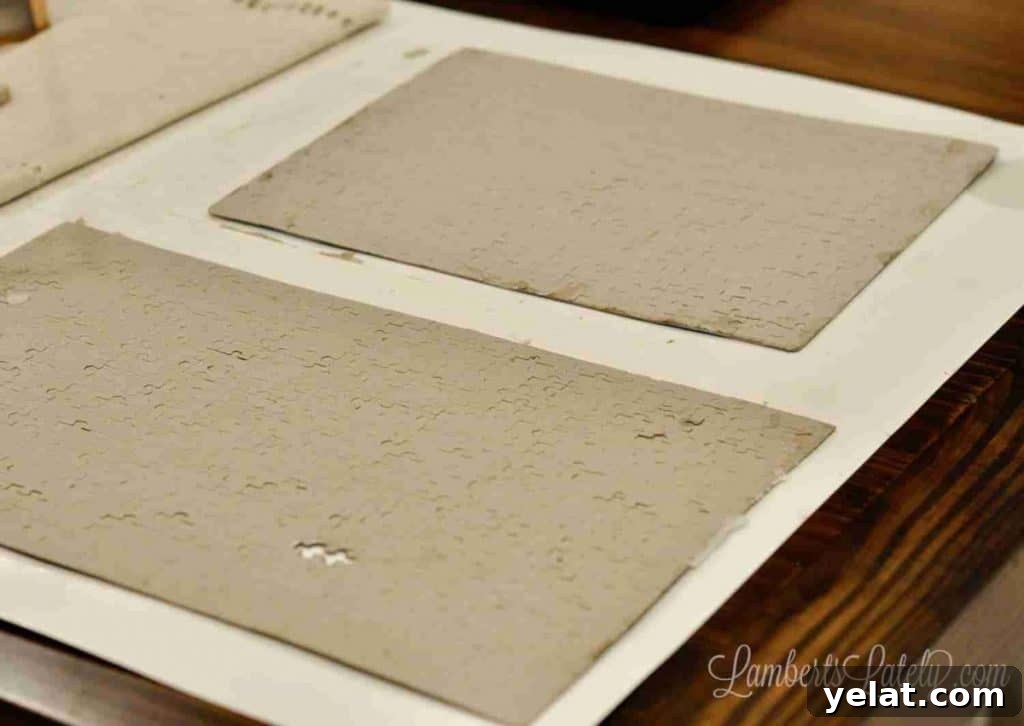
(Yes, sometimes a piece goes missing. Glue it anyway—it can add character.)
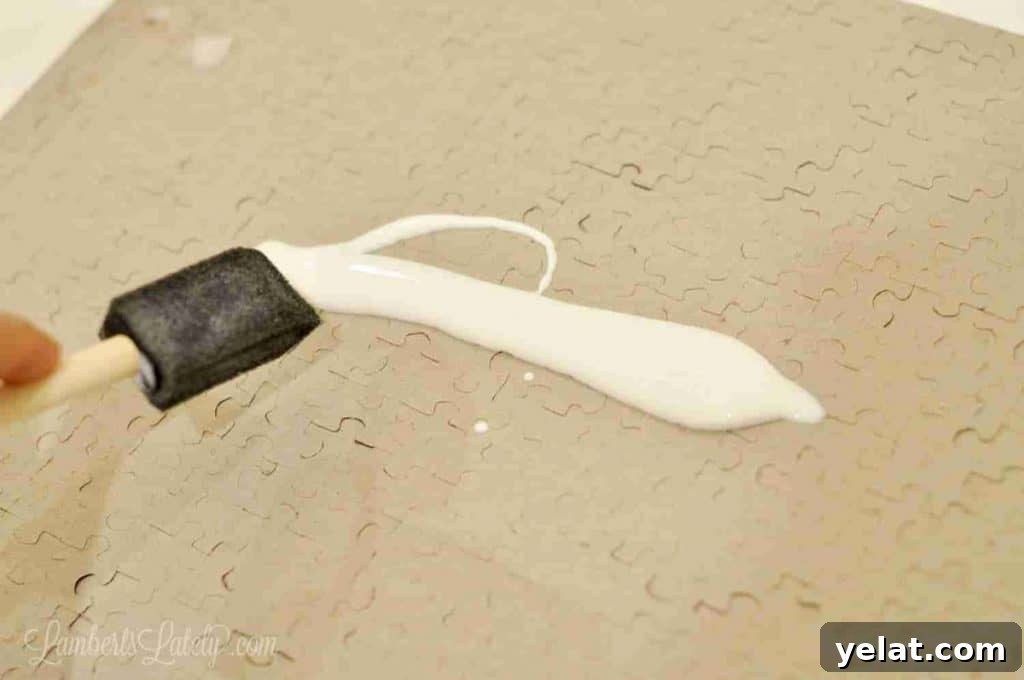
Brush Mod Podge into the seams on the back, keeping coats thin and even so the puzzle dries flat and strong.
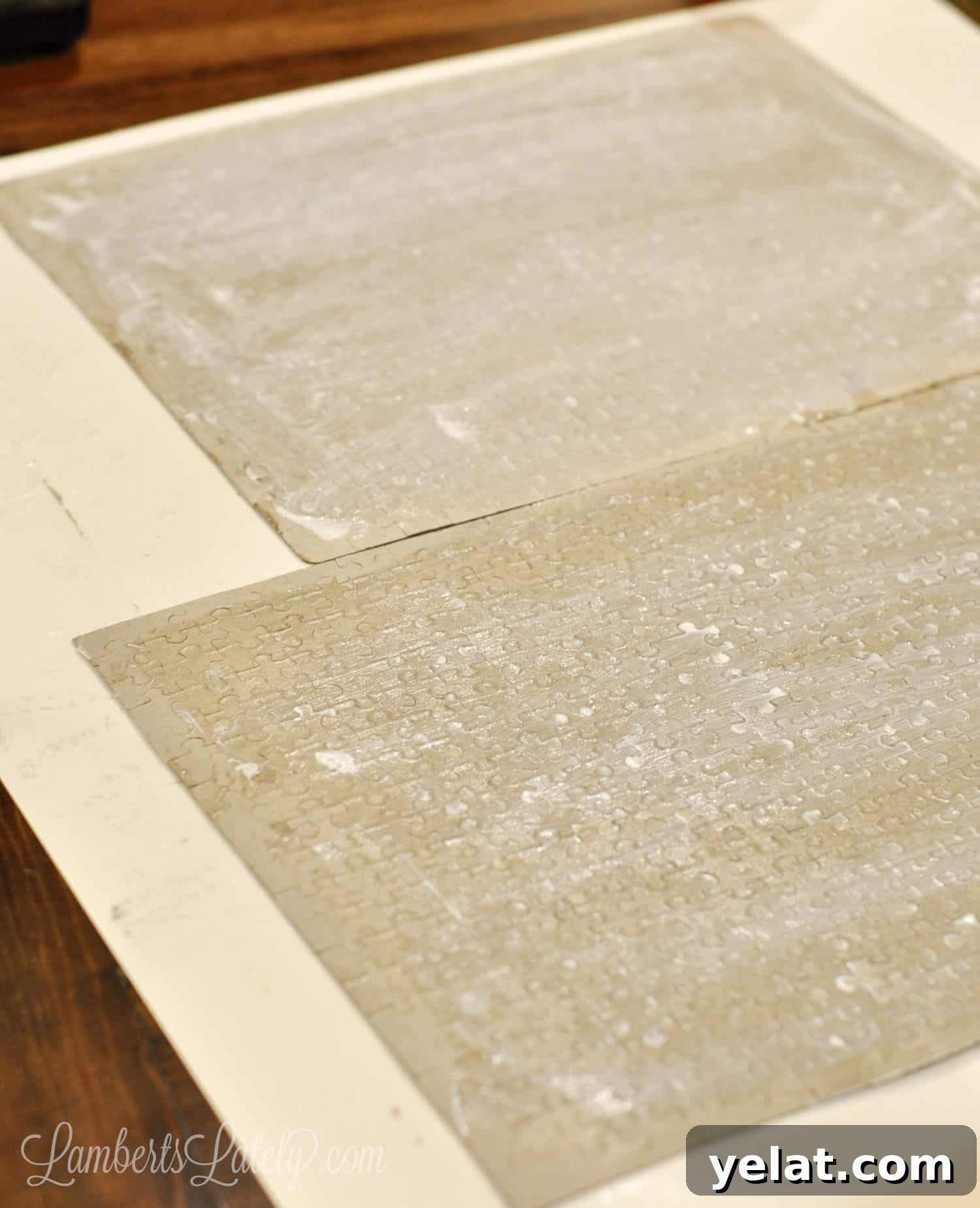
Step 5: Final Dry and Inspection
Allow the glued puzzle to dry overnight. When it is no longer tacky to the touch and feels firm, it’s ready to display.
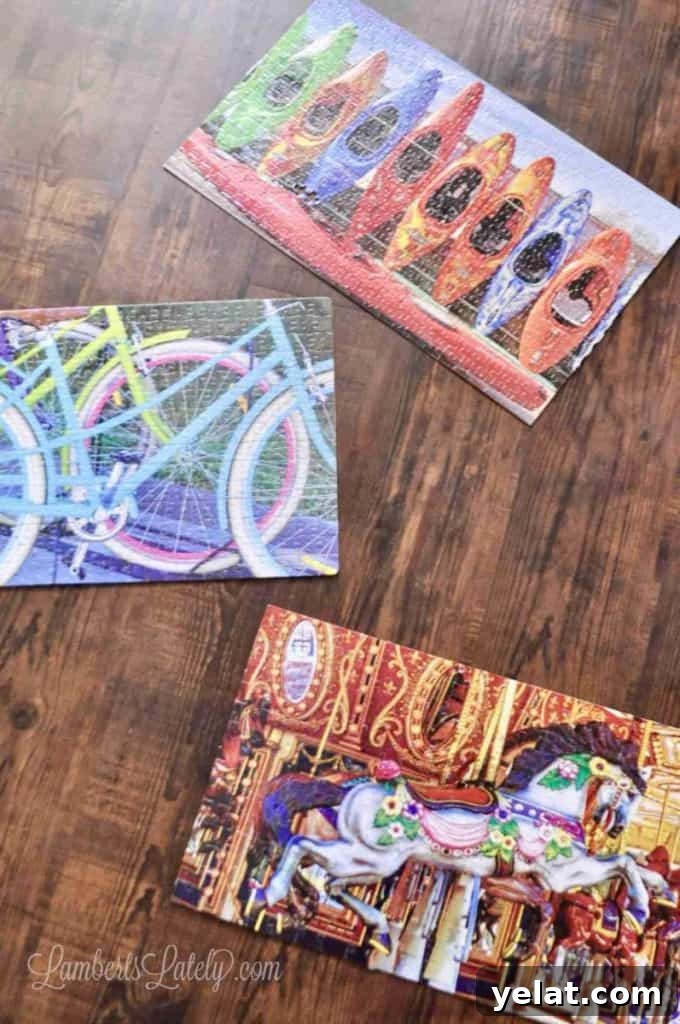
That’s it—simple and effective preservation for your finished puzzles.
The Best Glue for Puzzles: Mod Podge vs. Others
Is specialized “Puzzle Saver” glue worth it?
In my experience, no. Standard Mod Podge is much more affordable and gives a clear, permanent bond equivalent to specialty puzzle glues.
Should I use spray adhesive or glue sheets?
- Spray Glue: Harder to work into seams and can result in uneven coverage.
- Glue Sheets: They work but are costly per puzzle. Mod Podge is more budget-friendly if you plan to preserve multiple puzzles.
How to Hang a Puzzle Without a Frame
Once a puzzle is preserved, it’s easy to display without framing.
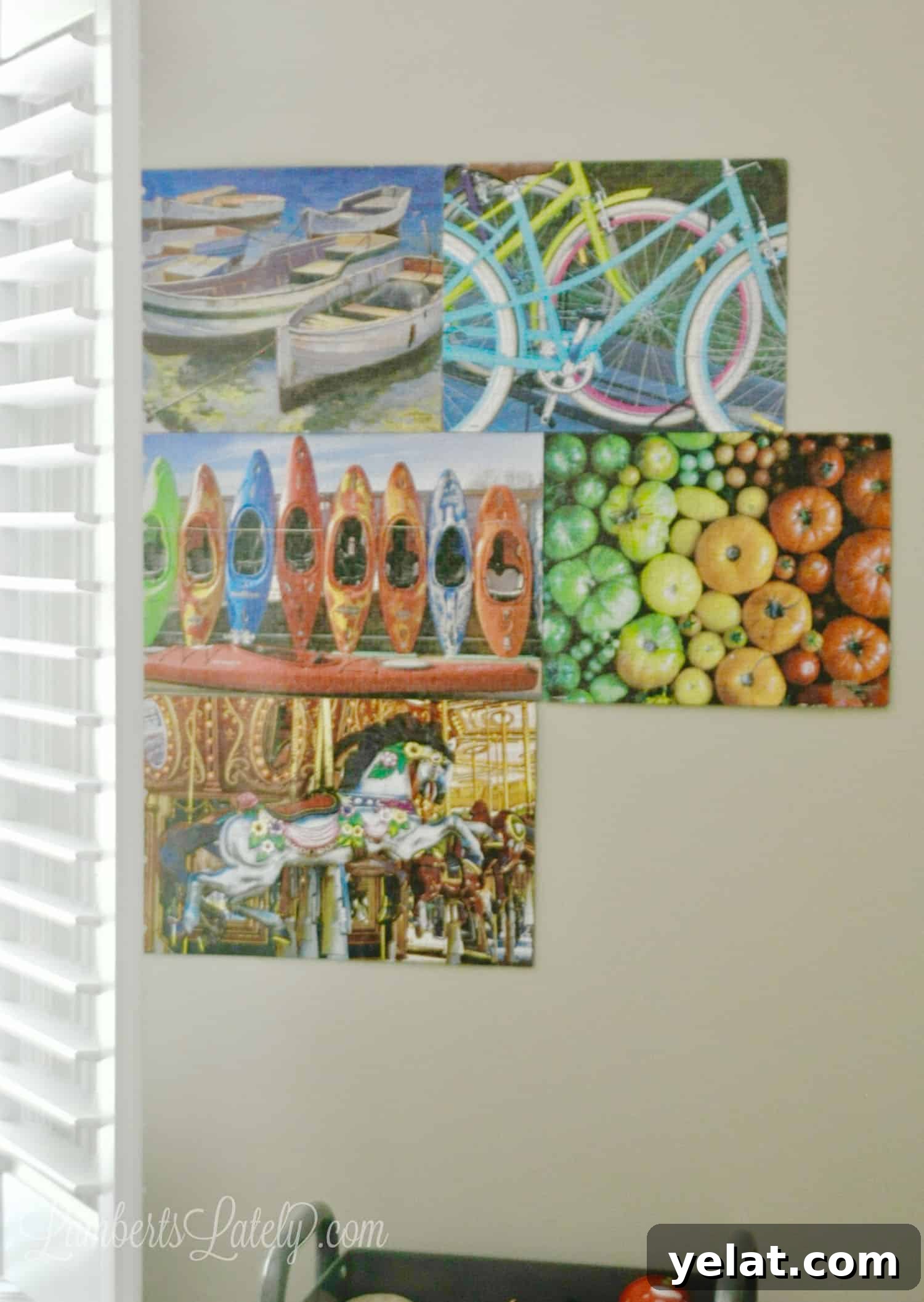
Preserved puzzles look great in playrooms, craft rooms, or offices. You don’t need a frame—just attach them to the wall.
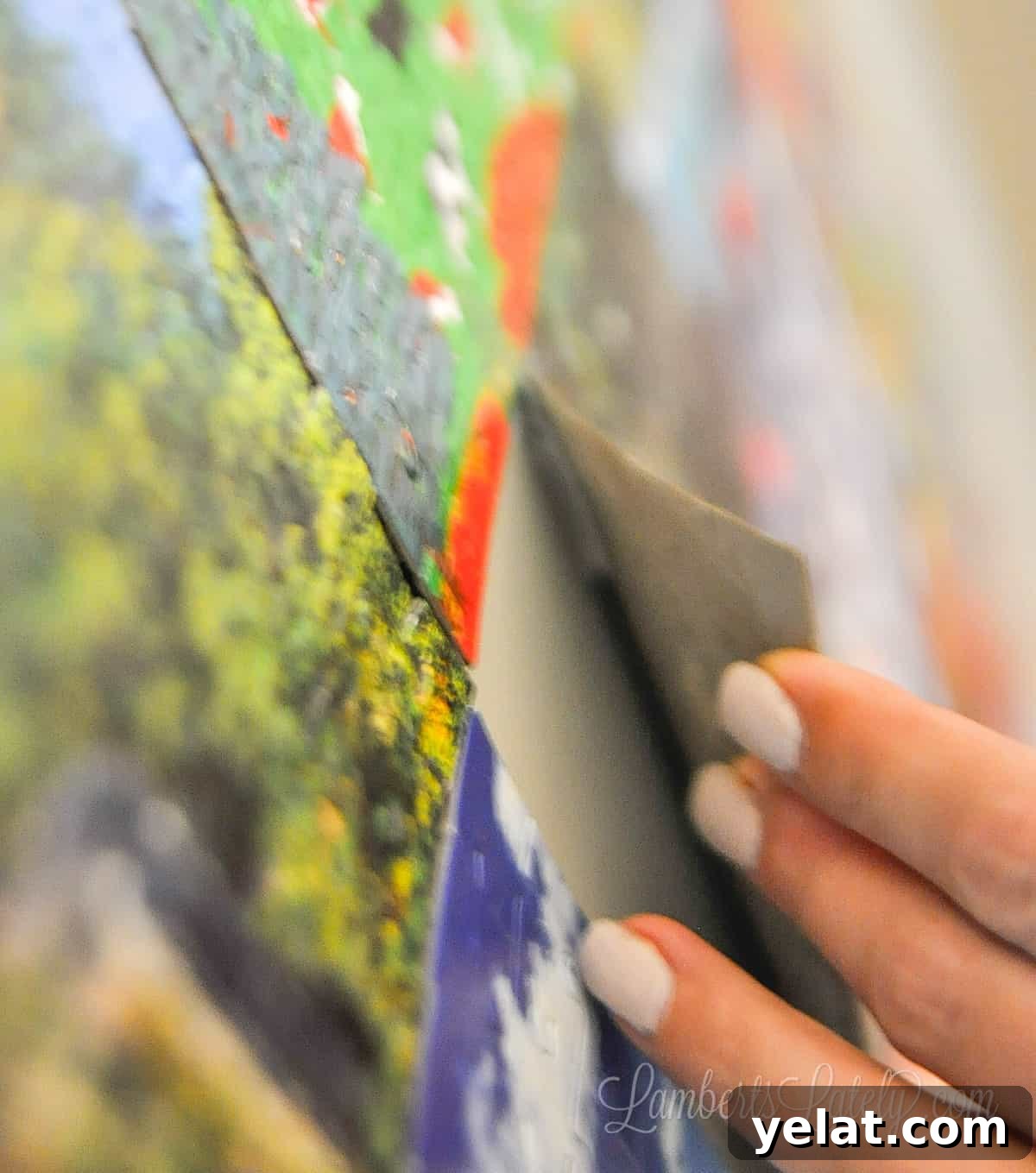
I use a combination of removable picture hanging strips and tack putty to secure puzzles to the wall. In humid climates, tack putty alone may not hold, so I add adhesive strips for a stronger hold.
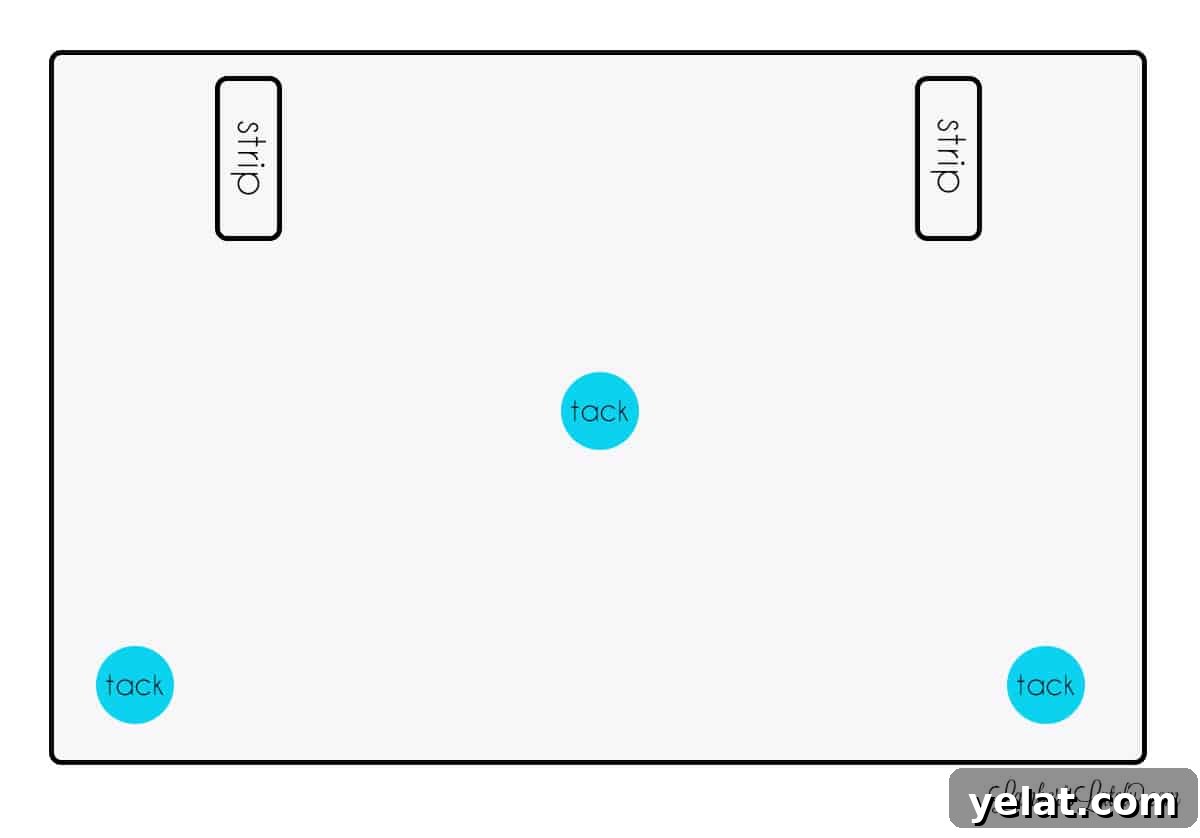
Place double-sided adhesive strips on the back with the removal tabs pointing up. This lets you access the tabs later to remove the strips without damaging the wall. Add tack putty in the center and along the bottom for extra security.
Common Mistakes When Gluing a Puzzle
- Applying glue too thick: Thick layers can dry unevenly, stay cloudy, or warp the cardboard. Use thin, even coats.
- Not letting the first coat dry: Rushing causes trapped moisture, bubbling, or weak adhesion. Wait for full drying before adding another coat.
- Skipping the back: Sealing only the front leaves the puzzle fragile. Seal both sides for a rigid finished piece.
- Moving the puzzle before curing: Even if it feels dry, internal glue can still be setting. Wait overnight at minimum.
- Using spray adhesive over liquid glue: Sprays don’t penetrate seams well, leading to weak bonds. Liquid glue provides better coverage.
- Brushing with too much pressure: Excessive pressure can misalign pieces or force glue where it shouldn’t go.
- Not protecting your work surface: Glue can seep through and stick to your table—always use a protective layer underneath.
- Hanging too soon: A puzzle that isn’t fully cured can sag or separate when hung. Allow ample drying time before mounting.
Frequently Asked Questions About Gluing Puzzles
Do both: Apply 1–2 thin coats of Mod Podge to the front, let dry, then repeat on the back to ensure strength and longevity.
Plain Mod Podge and a sponge brush are simple and effective. Specialty puzzle glues are unnecessary for most projects.
Mod Podge is usually touch-dry within an hour, but allow it to cure overnight before moving or hanging the puzzle.
Only if applied too thickly: Thin, even coats dry clear and give a smooth finish.
More Home DIY Projects
-
Little Tikes Cozy Coupe Makeover: A Step-by-Step Guide
-
How to Make a T-shirt Quilt for Beginners
-
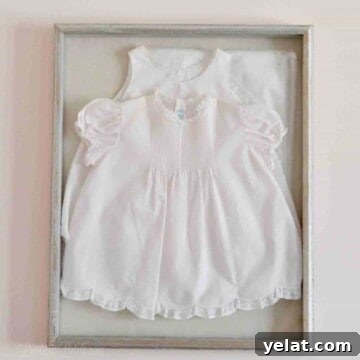
How to Make a DIY Newborn Shadow Box
-
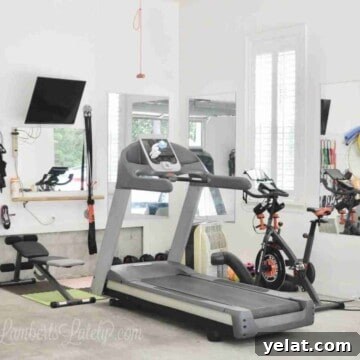
My DIY Peloton Tread
Trying this method to glue a puzzle together? I’d love to see your result—tag me on social media with your finished puzzle. 🧩