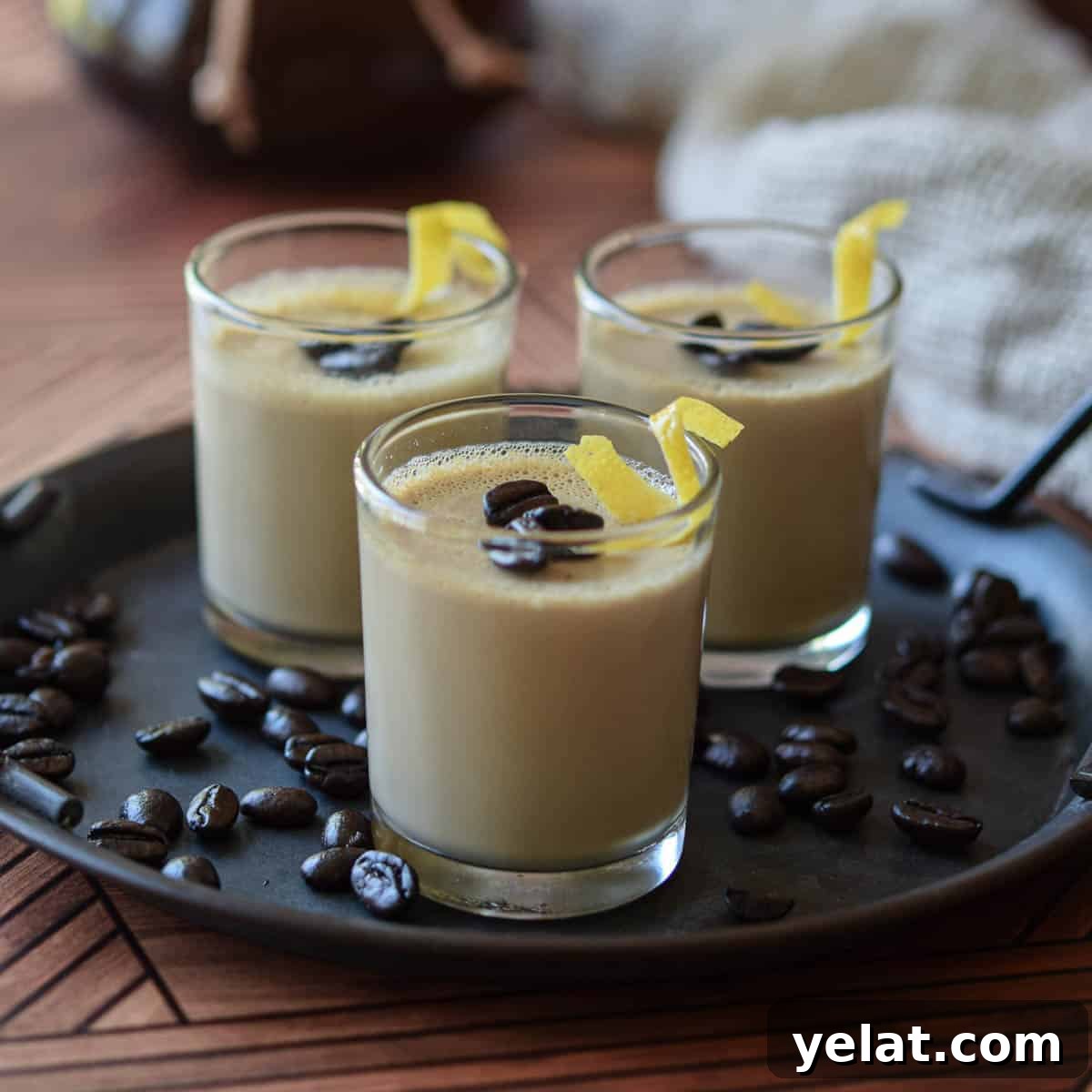
If you’re craving a dessert that’s bold, silky, and effortless, try this Espresso Coffee Panna Cotta. It’s a simple, elegant treat with a clean coffee flavor that works whether you’re a devoted coffee fan or just want a refined sweet ending to a meal.
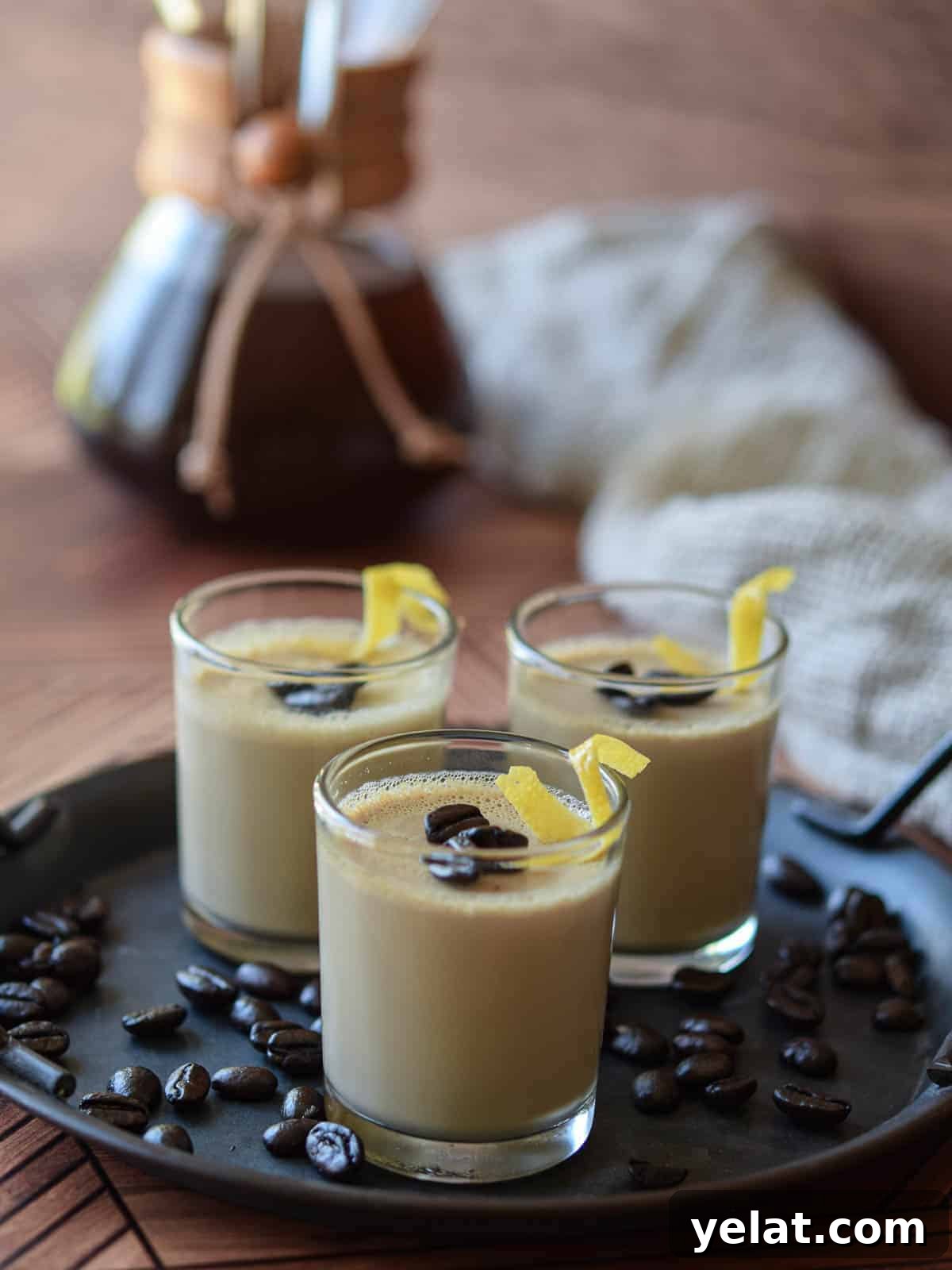
I’m not a big coffee drinker, but I love coffee-flavored desserts. This espresso panna cotta delivers a rich coffee note without tasting like a cup of coffee, and it’s one of those recipes that feels special while being very easy to pull together.
Panna cotta means “cooked cream.” The base is gently heated cream (or half-and-half), sweetened, and set with gelatin to produce a smooth, velvety texture with a delicate wobble. Because it contains no eggs, the texture is different from custard—closer to a creamy pudding but with a silkier mouthfeel.
Ingredients
- Half and half — or equal parts heavy cream and whole milk.
- Sugar — white granulated sugar to balance the coffee.
- Salt — a pinch brightens and enhances the coffee notes.
- Gelatin — unflavored powdered gelatin (or gelatin leaves) to set the panna cotta.
- Espresso powder or instant espresso granules — instant espresso gives an intense coffee flavor without adding liquid.
See the recipe card below for exact quantities and nutrition details.
Step-by-step instructions
This panna cotta comes together on the stovetop in a few minutes, then chills in the refrigerator to set. No baking required.
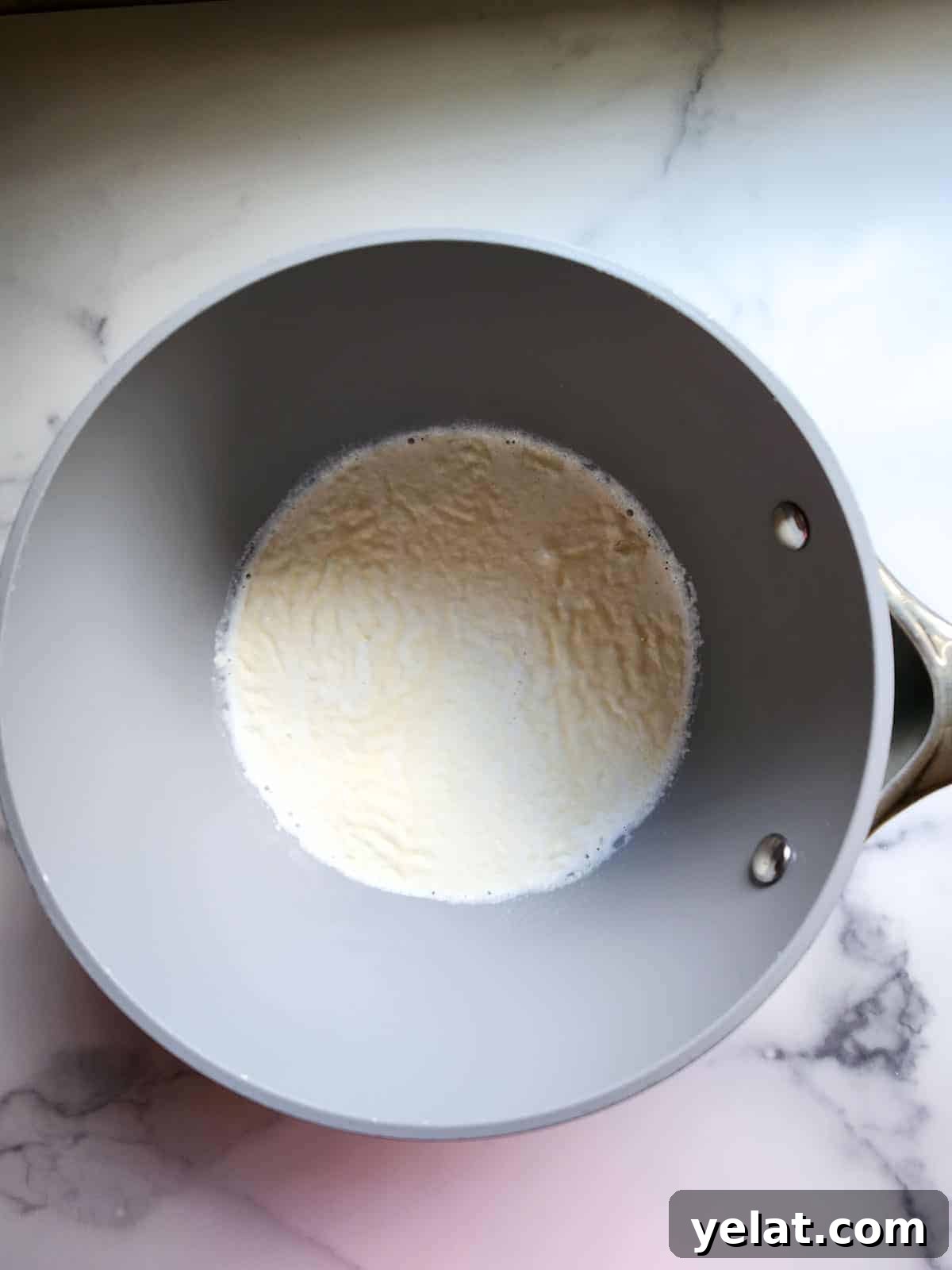
Step 1. Pour the half-and-half into a medium saucepan. With the heat off, sprinkle the gelatin evenly over the surface and let it bloom for about 5 minutes.
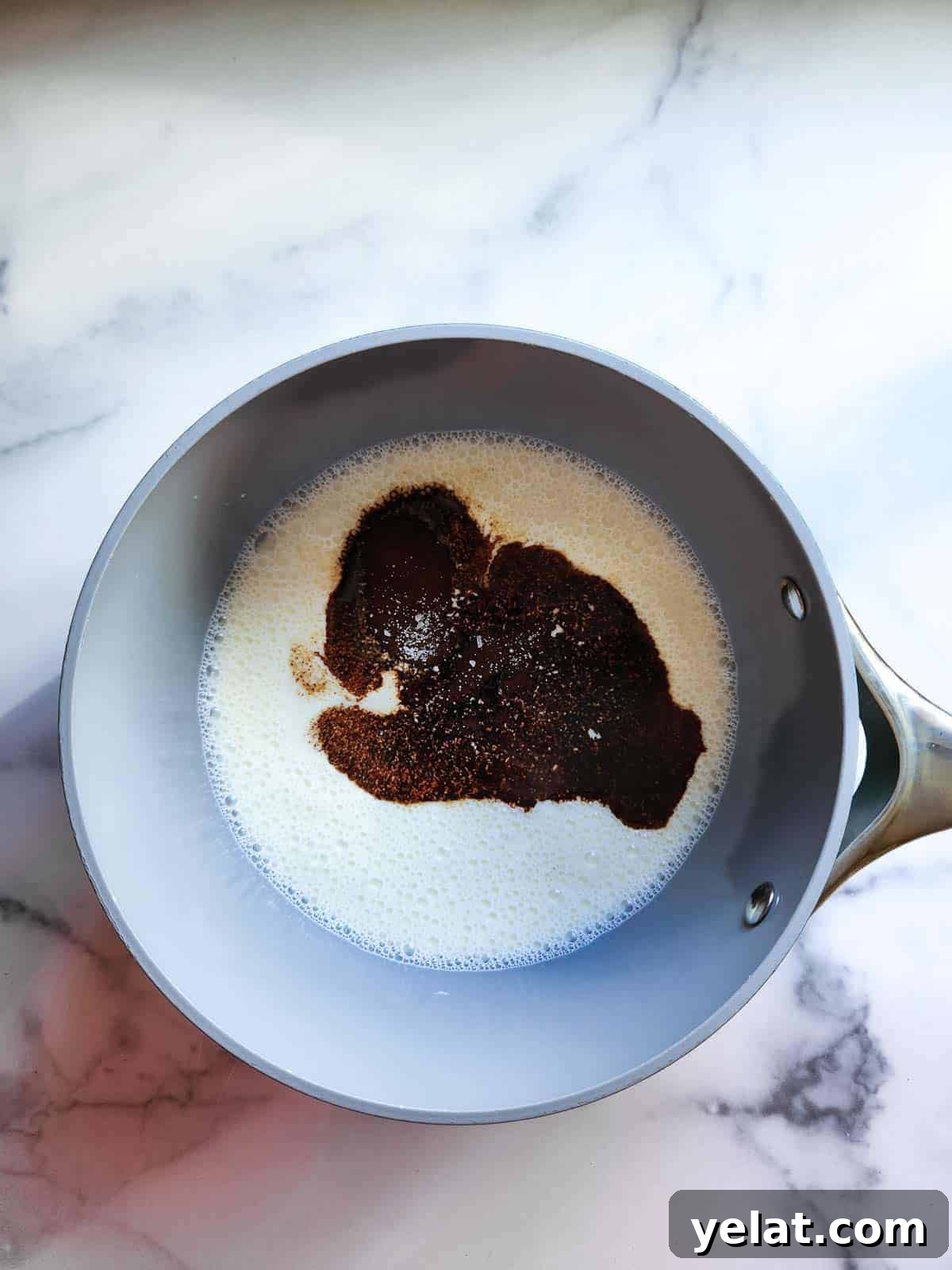
Step 2. Warm the mixture over medium-low heat, stirring, until the gelatin dissolves (about 2 minutes). Add the sugar, salt, and espresso powder and continue heating gently, whisking until fully dissolved (3–5 minutes). Do not boil.
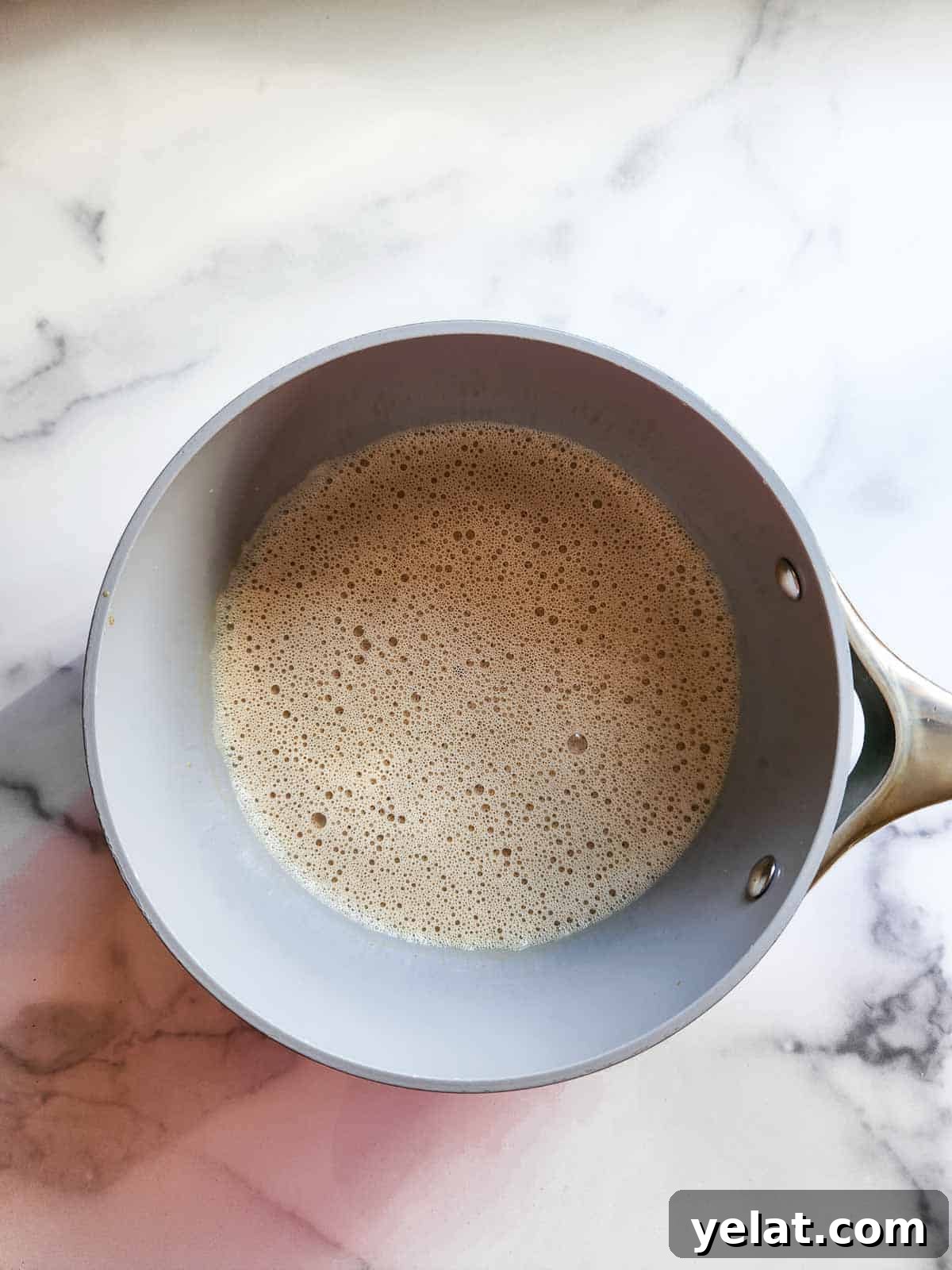
Step 3. Whisk frequently so the sugar and espresso dissolve completely and the mixture is smooth.
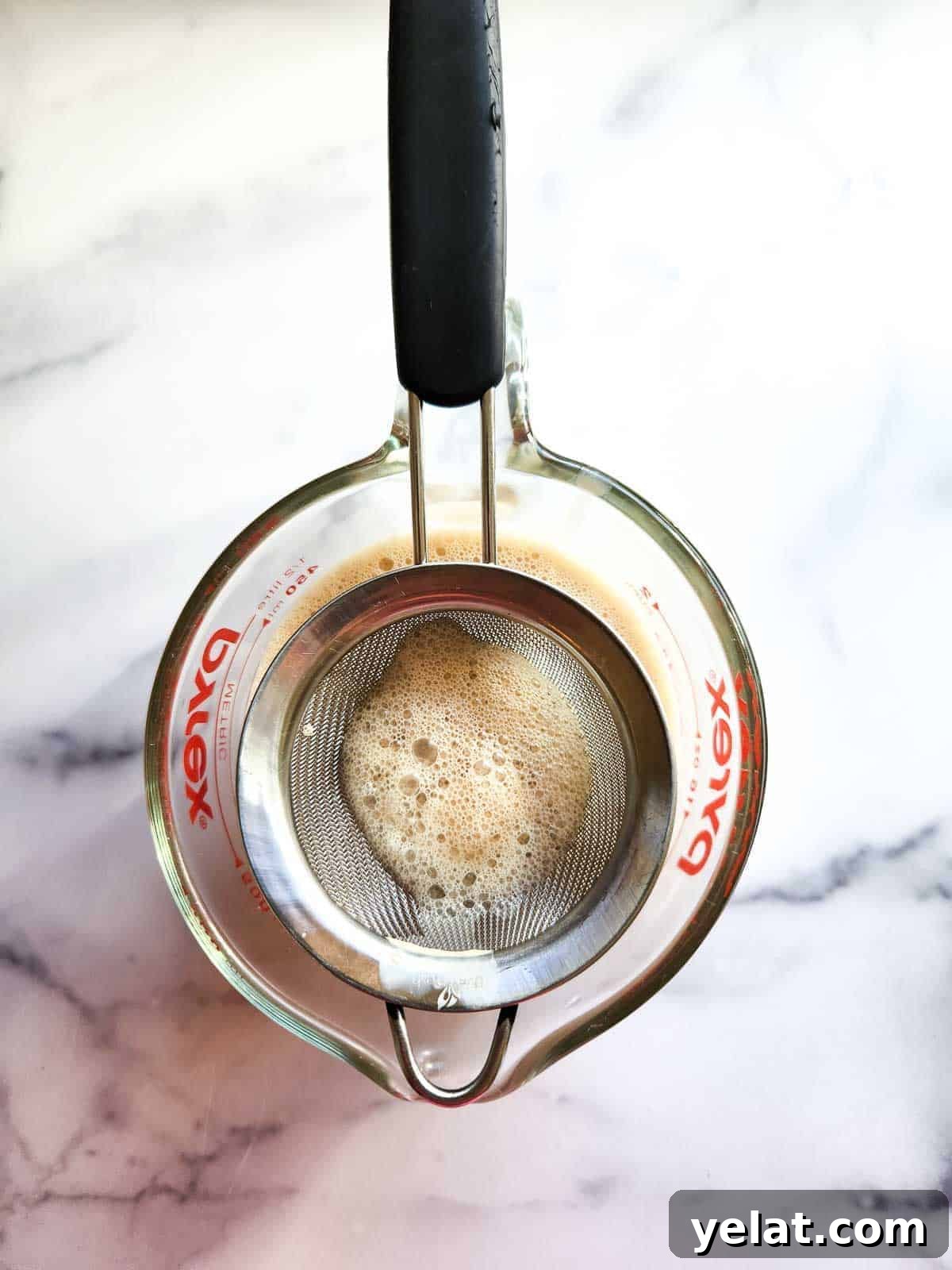
Step 4. Strain the warm mixture through a fine-mesh sieve to remove any lumps, then pour into serving glasses or ramekins. Cover and chill for at least 2–4 hours until set.
*Full ingredient amounts and precise times are listed in the recipe card below.
Expert tips
- Don’t boil the cream. Heat just enough to dissolve the gelatin and sugar; boiling can ruin gelatin’s setting power.
- Strain the mixture. Straining removes any undissolved bits for the smoothest result.
- Cool before refrigerating. Let the mixture reach near room temperature to avoid sudden temperature changes that can affect texture.
- Cover the surface. Lay plastic wrap directly on the panna cotta’s surface to prevent a skin from forming.
Serving suggestions
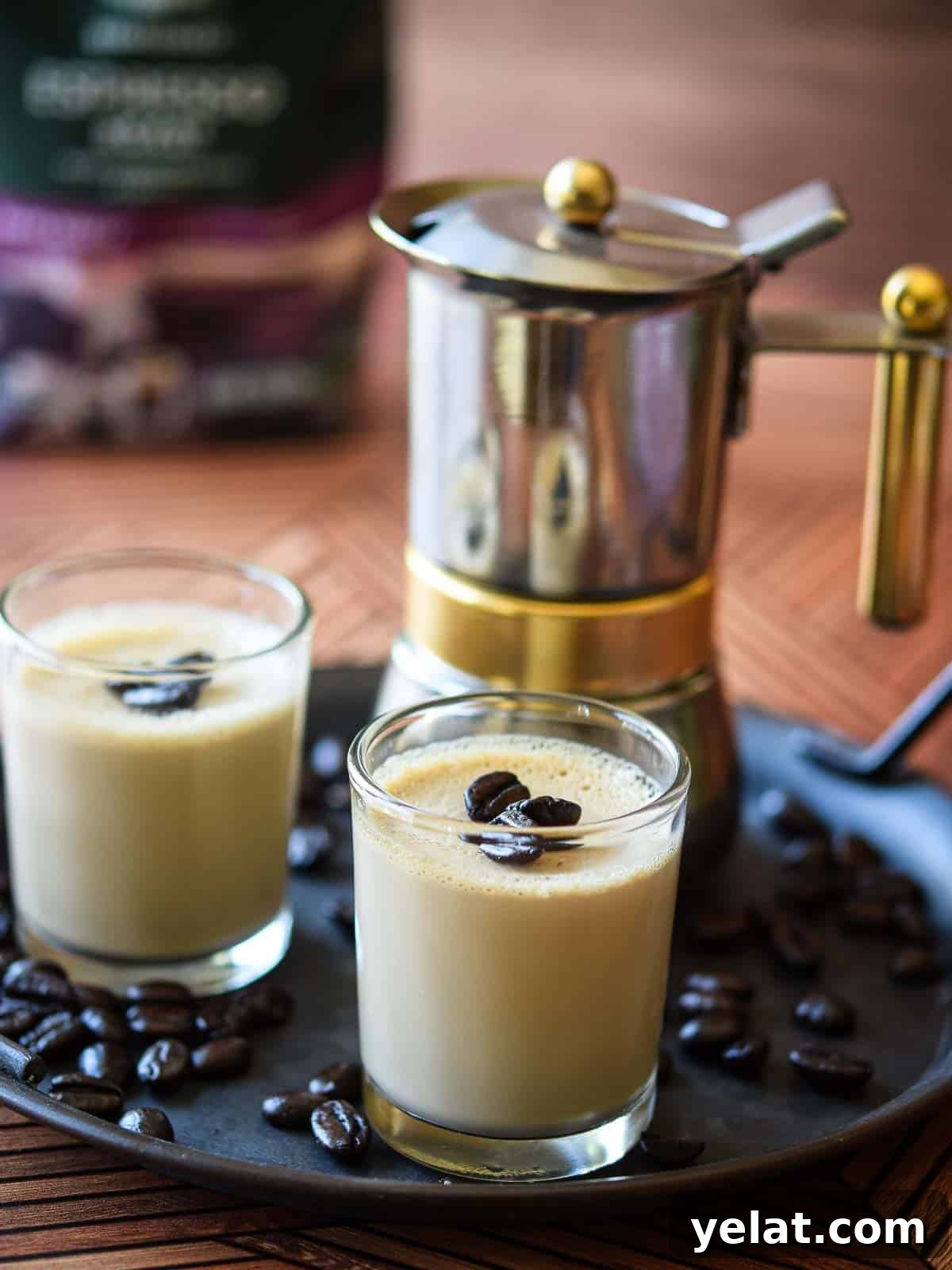
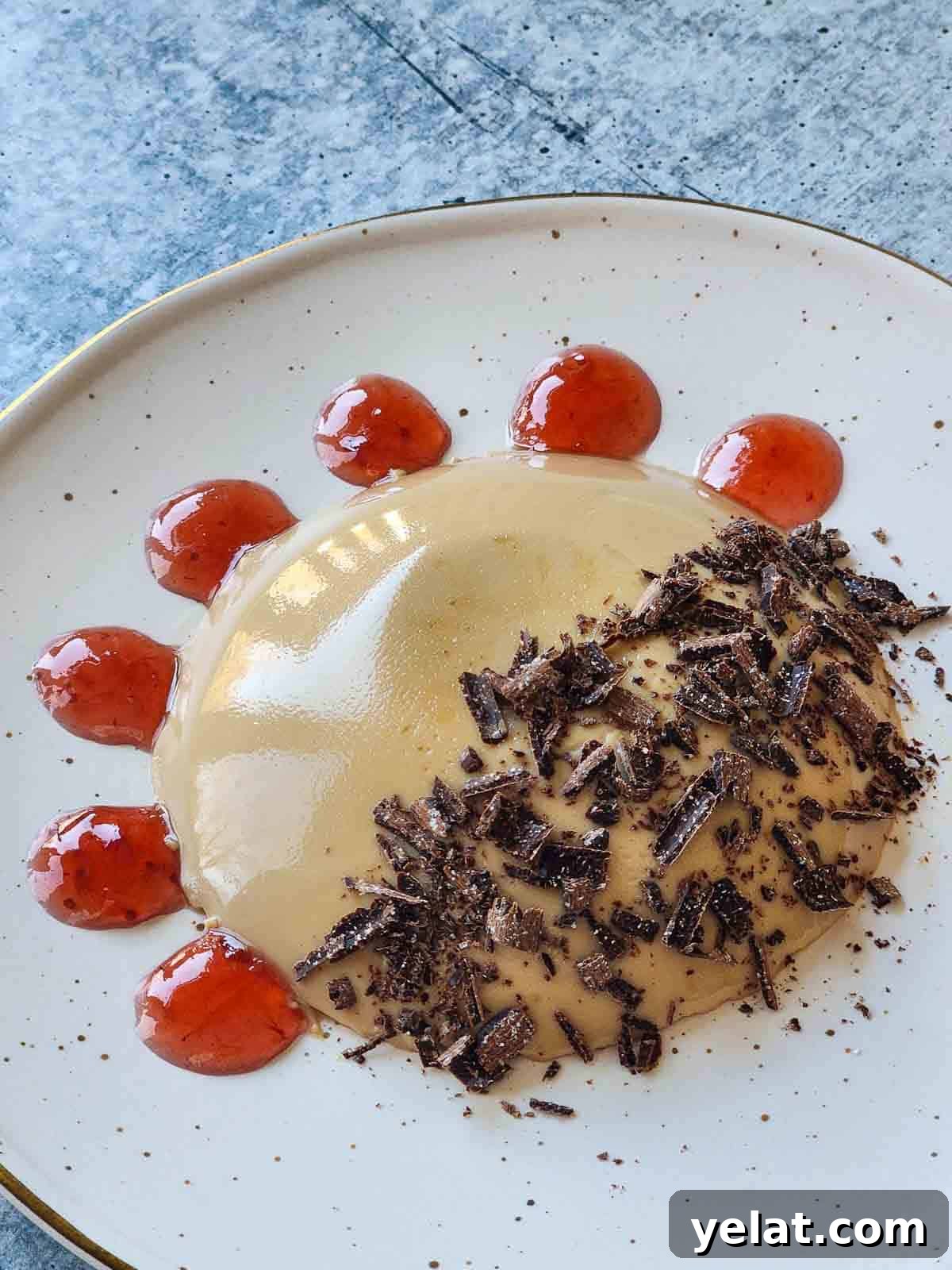
Serve panna cotta in individual dishes for an elegant, fuss-free presentation, or unmold onto plates for a fancier look. Pair it with textures and flavors that complement the coffee:
- Drizzle with chocolate syrup.
- Top with lightly sweetened whipped cream.
- Add chocolate shavings or cocoa nibs.
- Finish with fresh berries like strawberries or raspberries.
- Sprinkle crushed biscotti or meringue for crunch.
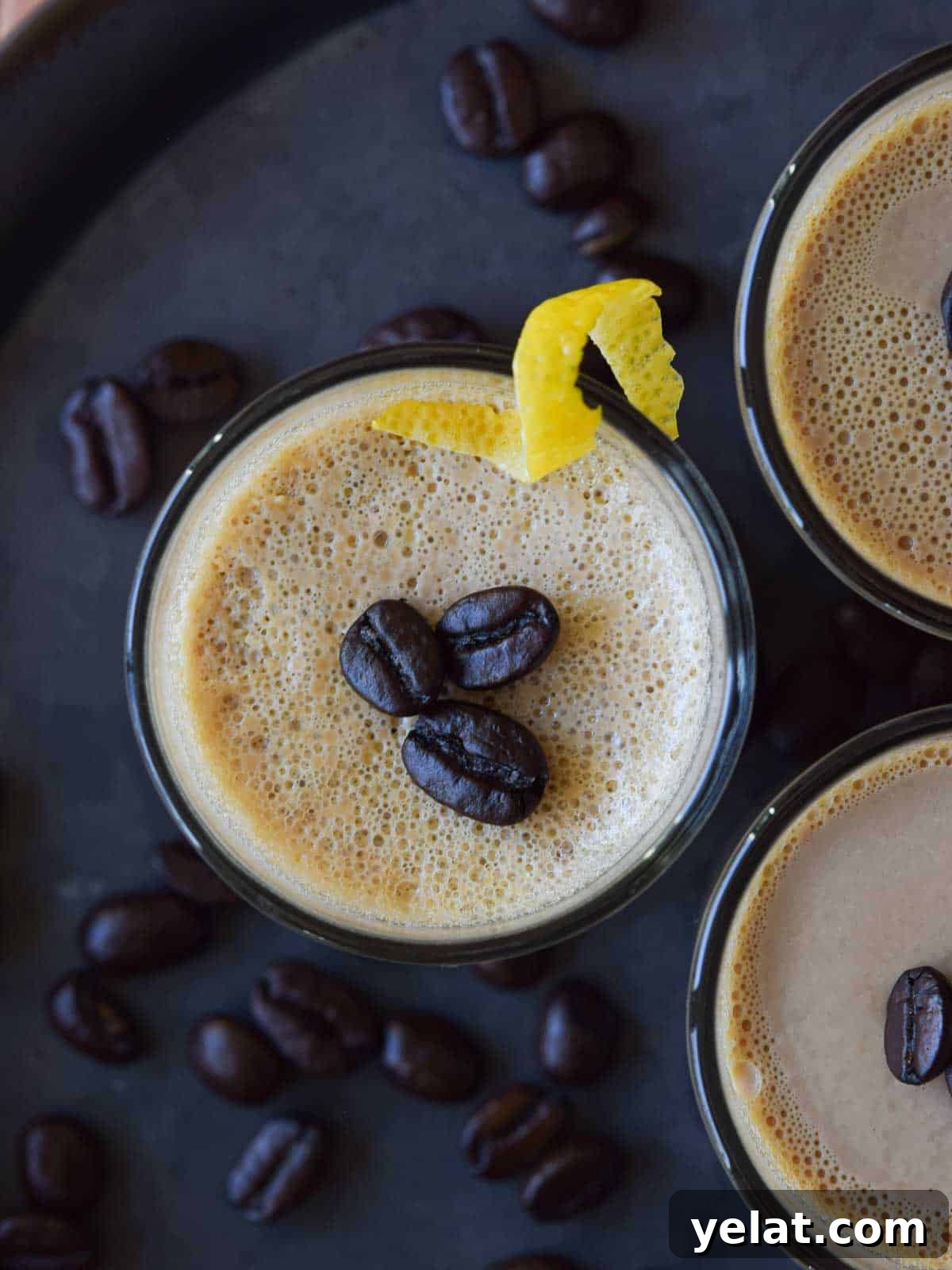
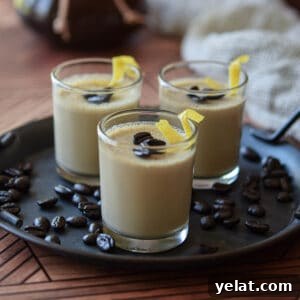
- Garnish with espresso beans or a twist of lemon rind for contrast.
How to unmold panna cotta
If you’d like to unmold, choose smooth-sided ramekins and lightly grease them. Chill the panna cotta fully, run a thin knife around the edge, invert onto a plate, and give the ramekin a gentle tap. If it sticks, dip the ramekin’s bottom briefly in warm water to loosen it, then invert again.
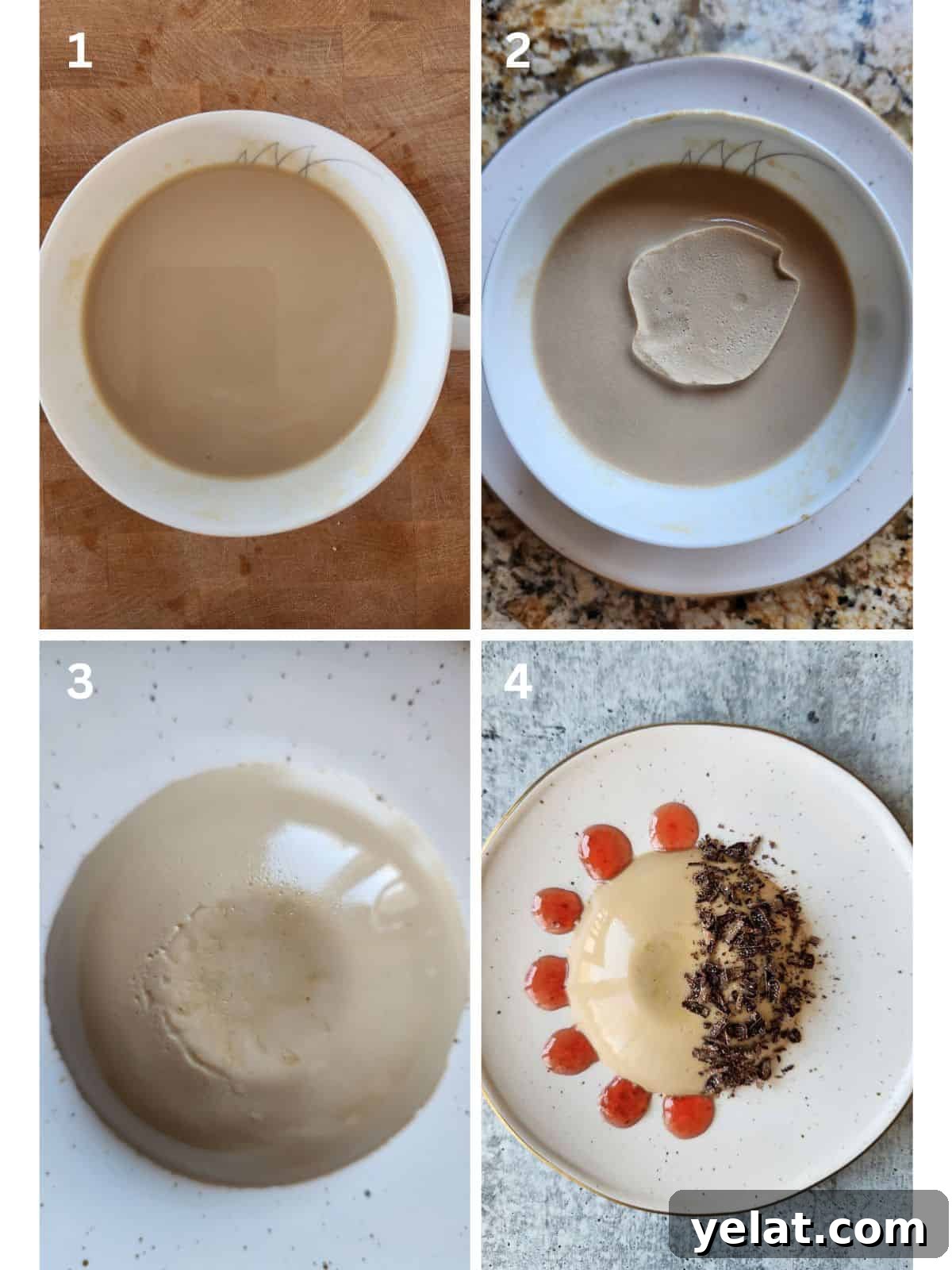
Tip: Molding in simple, straight-sided dishes yields the most attractive unmolds—avoid cups with ledges or decorative ridges.
Storage
Store panna cotta covered in the refrigerator for up to 3 days. Keep plastic wrap touching the surface to prevent a film. After three days the texture can become slightly rubbery, so it’s best eaten within that time frame.
FAQ
Rubberiness usually comes from too much gelatin or from keeping the dessert too long in the fridge. Measure gelatin carefully and aim to serve within a few days for the best texture.
Recipe
Espresso Coffee Panna Cotta
Equipment
- 1 medium saucepan
- Fine-mesh sieve
Ingredients
- 3 cups half and half (or equal parts heavy cream and whole milk)
- 4 teaspoons unflavored powdered gelatin
- 1/2 cup white granulated sugar
- 4 teaspoons espresso powder or instant espresso
- 1/4 teaspoon Kosher or fine sea salt
Instructions
- Bloom the gelatin: In a medium saucepan off the heat, add the half and half and sprinkle the gelatin over the surface. Let stand 5 minutes until the gelatin has softened.
- Dissolve the gelatin: Warm the saucepan over medium-low heat, stirring until the gelatin dissolves (about 2 minutes). Do not boil.
- Add remaining ingredients: Add sugar, espresso powder, and salt. Whisk frequently over medium-low heat until the sugar and espresso are fully dissolved (3–5 minutes). Keep the mixture below a simmer.
- Strain and chill: Remove from heat and strain through a fine-mesh sieve. Pour into serving glasses or ramekins, cover, and refrigerate until set, at least 2–4 hours. Serve chilled with desired garnishes.
Notes
- Gelatin measurements: A typical gelatin packet contains about 2.5 teaspoons. Adjust accordingly if using packets or leaves.
- Do not boil: Boiling can prevent the gelatin from setting properly.
- Strain for smoothness: Straining removes any undissolved bits for a silky finish.
- Cover the surface: Press plastic wrap directly onto the surface to prevent a skin from forming.
Nutrition*
Serving: 1 | Calories: 234 kcal | Carbohydrates: 22 g | Protein: 6 g | Fat: 14 g | Saturated Fat: 9 g | Sugar: 22 g
*Nutrition information is an estimate and provided as a courtesy. Actual values may vary based on ingredients and substitutions.
Made this recipe? Please leave a rating and comment in the recipe card below. I’d love to see your photos if you post them on social media!