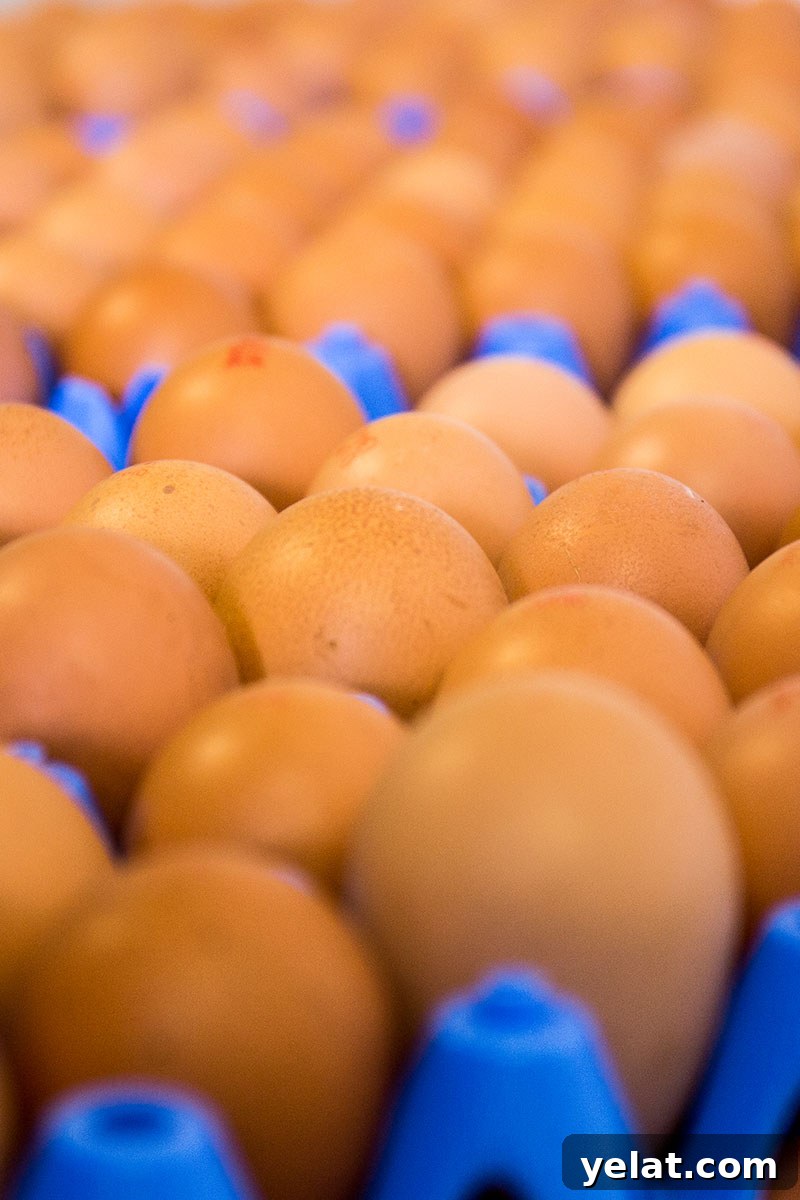
Eggs are everywhere in our kitchens and in our diets. We eat billions each year and everyone seems to have a favourite way to prepare them. Over the past months, while researching the UK egg market for my Food Policy MSc, I’ve learned a great deal about these everyday staples.
To mark the submission of my final coursework, here are 21 concise insights I uncovered during my research. If you’d like more detail, I’m happy to share — there are many more facts and references available.
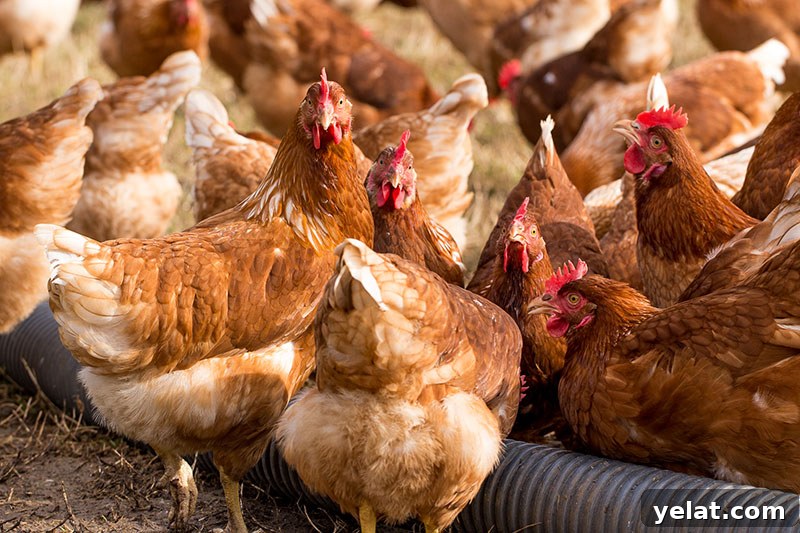
21 Things You Didn’t Know About Eggs
-
The UK ate nearly 12 billion eggs in 2014, and consumption has been rising.
-
That works out to around 185 eggs per person each year.
-
In the 1960s consumption peaked at about 250 eggs per person, but it fell through the 1980s before recovering.
-
About 85% of eggs consumed in the UK are produced domestically.
-
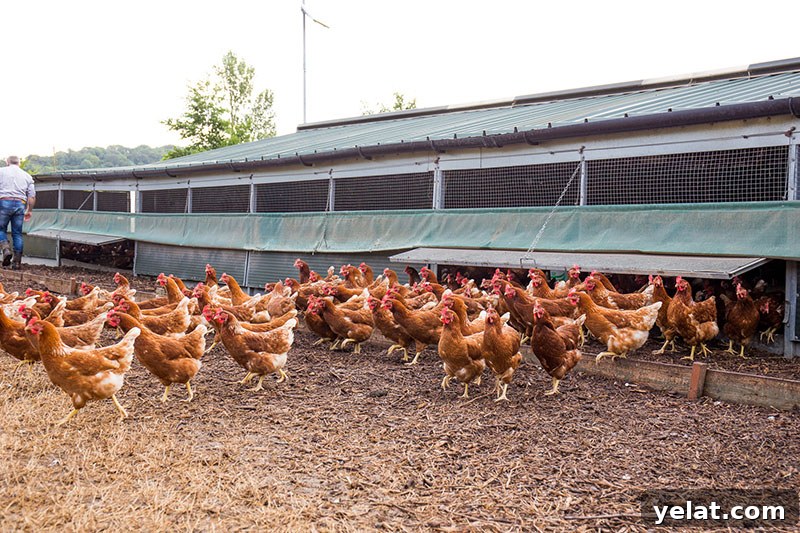
Half of UK eggs are now free-range; 25 years ago only around 5–7% were free-range.
-
Battery cages were banned under EU law in 2012. Enriched cages have since been phased out by major retailers and are scheduled for full removal by 2025.
-
In the United States, battery cage systems still account for much of production; only a few states have introduced bans.
-
Preferences differ by country: Americans generally prefer white eggs while Britons lean toward brown — the colour is the only real difference.
-
A large share of commercial laying hens worldwide originate from just three genetics companies.
-
Hens usually begin laying around 18 weeks old, reach peak productivity between 25 and 39 weeks, and production often declines after about 72 weeks, when many are culled.
-
Many experts say the key welfare factor is space per bird — more space generally improves welfare more than simply having outdoor access.
-
In 2013 there were over 35 million chickens in the UK kept for egg production.
-
At one point Noble Foods controlled around 60–70% of the UK market; competition concerns later forced divestment of some assets.
-
Eggs are used in the production of some influenza vaccines.
-
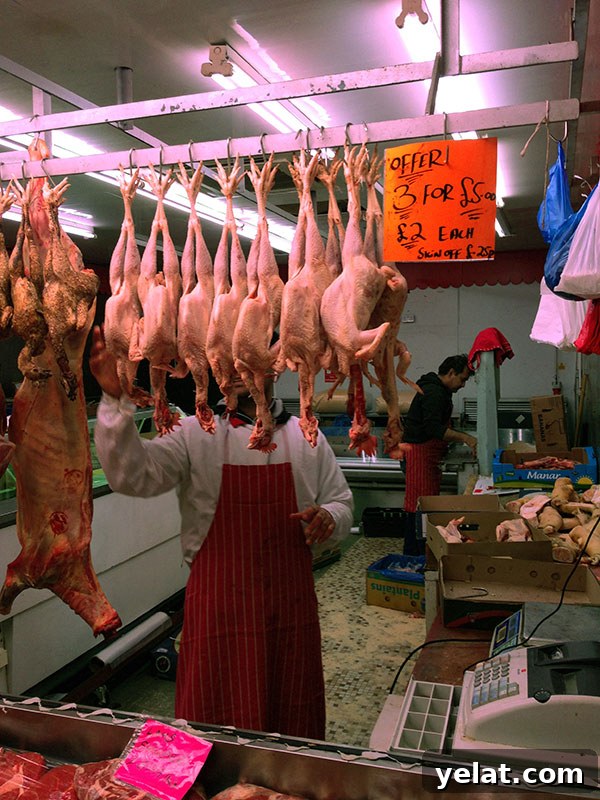
After their laying career ends, ex-laying hens — often called ‘spent hens’ or ‘boiling fowl’ — have firmer, stronger-flavoured meat and require longer cooking; they are usually much cheaper than standard birds.
-
Archaeological evidence shows the Romans observed the British keeping hens for eggs.
-
Historically the live bird was often more valuable than its eggs, so eating eggs was sometimes discouraged to preserve breeding stock.
-
There is a gap between what consumers say and what they buy: reported purchases of higher-welfare eggs often exceed actual sales, a phenomenon called the consumer attitude–behaviour gap.
-
At hatcheries, chicks are sexed: male chicks are typically culled because they are not useful for egg production, while females are reared as layers.
-
The eggs sold for consumption are unfertilised, so they will never develop into chicks.
-
As hens age, individual eggs tend to grow larger, so older flocks often produce bigger eggs.
*References available upon request.