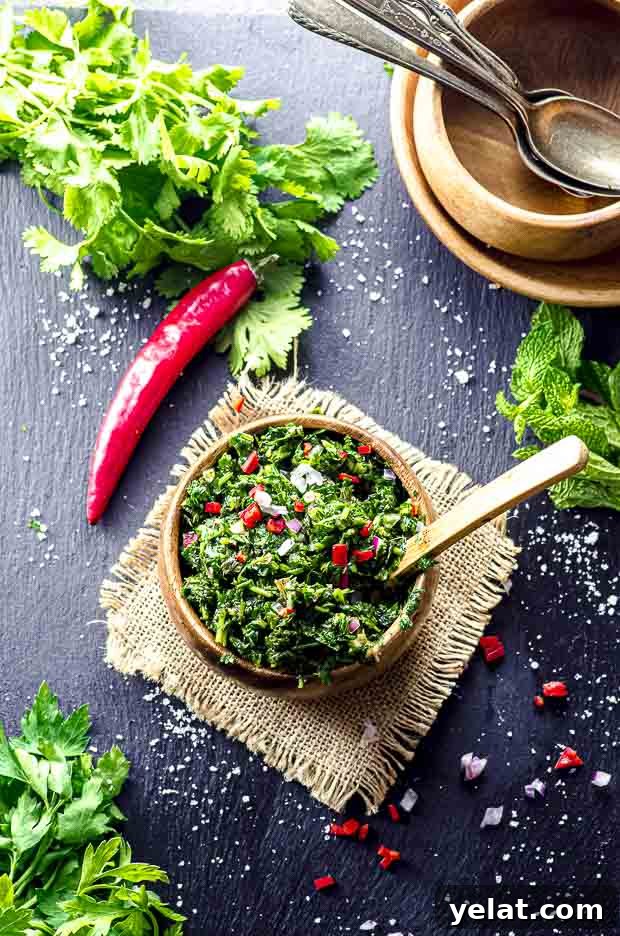
Have you tried making chimichurri at home yet? If not, today is the perfect day to start. This vibrant, flavorful Argentine sauce combines fresh herbs, olive oil, vinegar, onion, and garlic to make a versatile condiment that brightens many dishes.
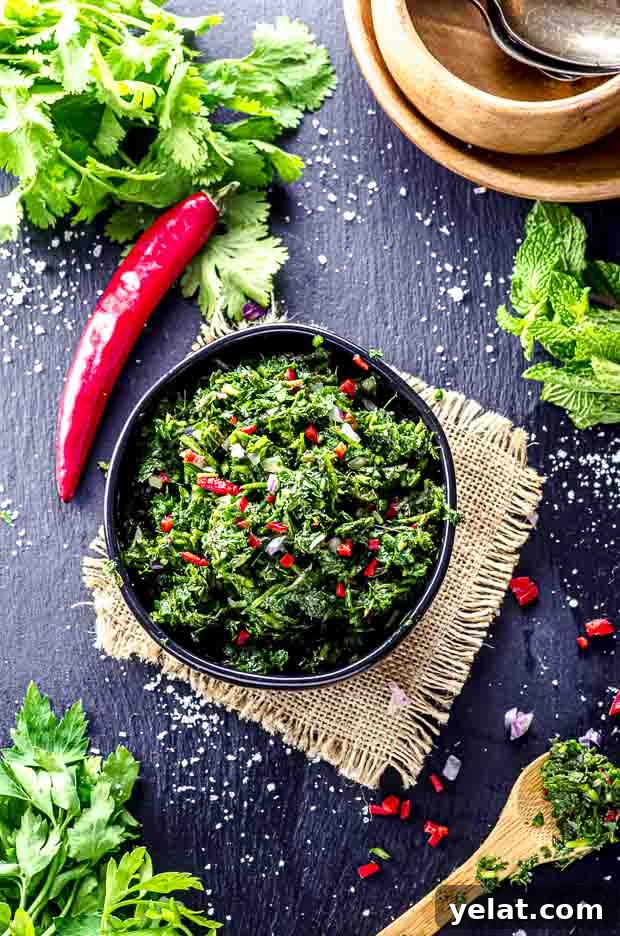
Use this chimichurri as a flexible base and adjust ingredients to suit your taste. Keep a jar in the fridge — it’s ideal for grilled vegetables, veggie burgers, smashed potatoes, and tossed into pasta or grain bowls for added freshness and heat.
What is Chimichurri?
Chimichurri is an uncooked sauce made from simple, fresh ingredients: parsley, cilantro, mint, onion, garlic, chili, vinegar, extra-virgin olive oil, and salt. Originating in Argentina, chimichurri is traditionally served with grilled meats, but it’s equally delicious with chicken, fish, vegetables, or used as a marinade.
While chimichurri commonly uses raw garlic, you can make a milder version using roasted garlic or garlic confit — both variations yield a softer, more subtle garlic flavor without the lingering bite.
How To Use Chimichurri
Chimichurri shines in the summer grilling season but works year-round. It pairs beautifully with grilled meats and seafood, and we’ve also found many vegetarian uses: spoon it over potatoes, roasted or grilled vegetables, sandwiches, tacos, burrito bowls, and pasta. It also makes a bright, tangy salad dressing.
Is Chimichurri The Same As Pesto?
No — chimichurri and pesto share the idea of a fresh green sauce but differ in flavor and texture. Think of chimichurri as a tangy South American cousin of pesto.
Difference Between Chimichurri and Pesto
Both chimichurri and pesto are vibrant, herb-forward sauces made with olive oil and garlic and can be prepared in a food processor, blender, or mortar and pestle. The key differences lie in texture and flavor: pesto tends to be thicker and often includes cheese and nuts, while chimichurri is looser, tangier, and sometimes a bit spicy.
Pesto originates in Genoa, Italy, and is usually basil-based. Chimichurri comes from Argentina and commonly features parsley and cilantro, sometimes with oregano and other herbs.
Ingredients in Chimichurri
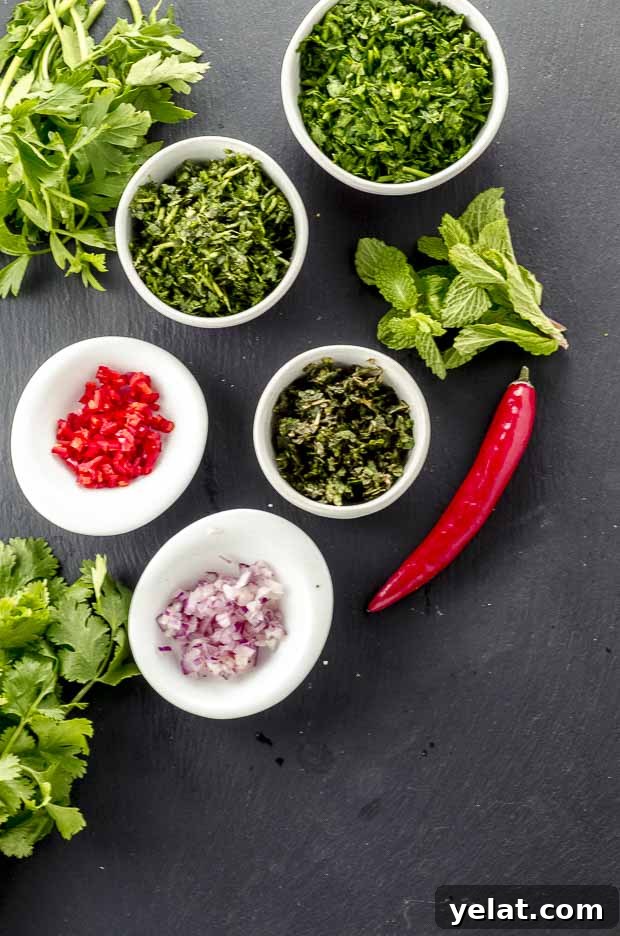
Most of the ingredients are common pantry or fresh-herb staples, which is why chimichurri is so easy and rewarding to make.
- Fresh parsley
- Fresh cilantro
- Mint leaves
- One small red hot chili (or hot red pepper flakes)
- Red onion or a shallot
- Garlic (raw, roasted, or confit, depending on preference)
- Red wine vinegar or apple cider vinegar
- Sea salt
- Extra-virgin olive oil
- Fresh oregano leaves, if available
This recipe uses less oil than many traditional versions. Start with the lower amount and add more olive oil if you prefer a richer texture.
How to Make Chimichurri
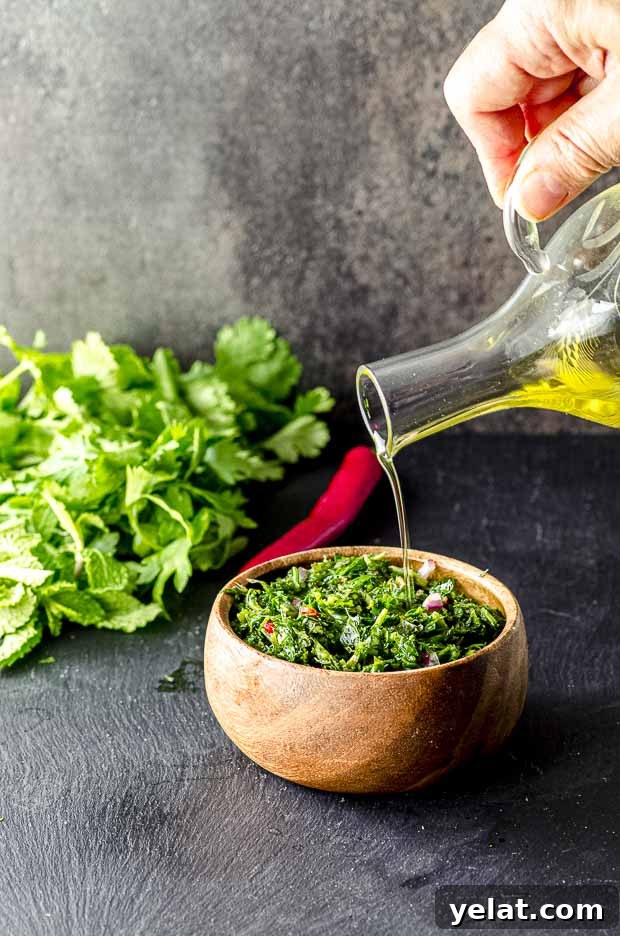
Making chimichurri is straightforward and forgiving. Finely chop the parsley, cilantro, and mint by hand or pulse them in a food processor or mortar and pestle. Combine the chopped herbs with the onion, chili, garlic, vinegar, olive oil, and salt until everything is well incorporated. Taste and adjust the heat, garlic, or acidity to your preference.
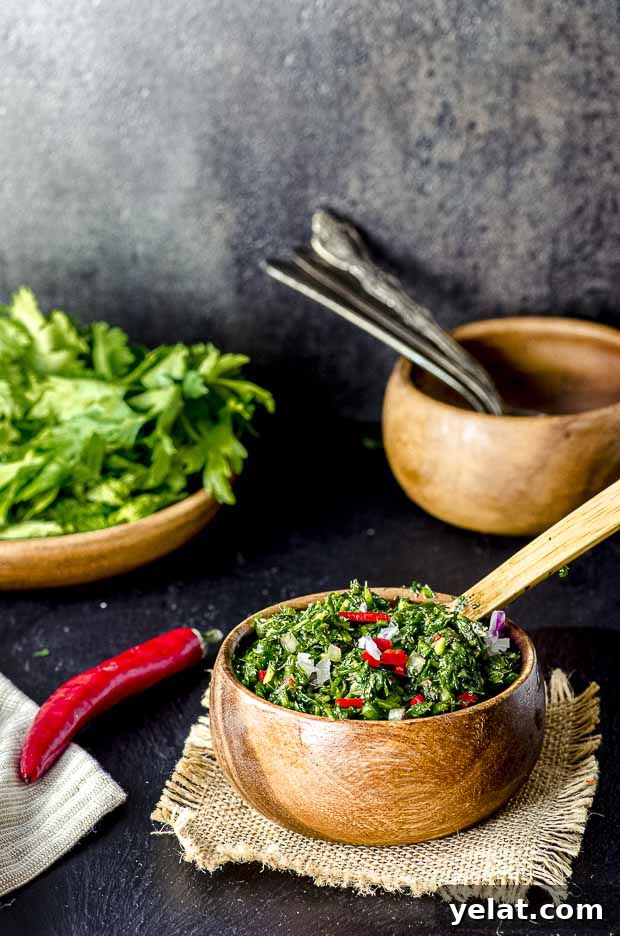
Tips For The Best Chimichurri
- Choose fresh, flavorful herbs for the brightest taste.
- Use a good-quality extra-virgin olive oil.
- Adjust garlic and onion to suit your taste — roasted garlic or garlic confit will mellow the bite.
- Control heat by using more or fewer chilies or by substituting flakes.
Recipes to Make with Chimichurri Sauce
-
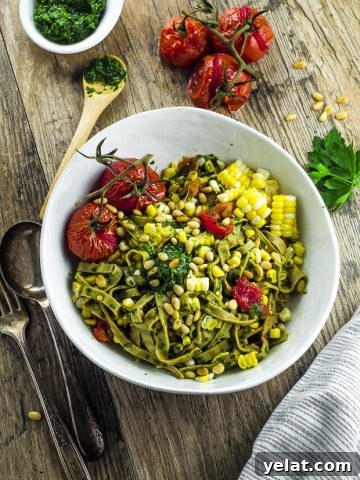
Edamame Pasta With Chimichurri Sauce
-
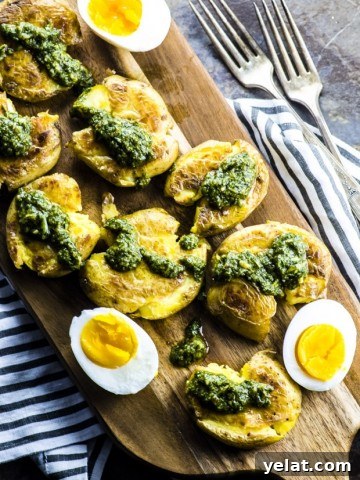
Smashed Potatoes with Chimichurri
-
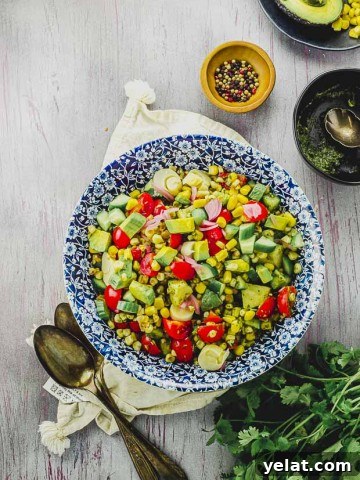
Fresh Summer Corn Salad with Avocado
How to Store Chimichurri
To preserve chimichurri and keep it fresh:
- Transfer the sauce to a glass jar with a tight-fitting lid.
- Pour a thin layer of olive oil over the surface before sealing to help prevent oxidation and preserve color.
- Refrigerate until ready to use.
- Stored this way, chimichurri should keep for about 1–2 weeks. Discard if you notice mold, off smells, or sliminess.
- Always use a clean utensil and avoid double-dipping. If you won’t finish the jar in one sitting, portion leftovers into another clean container before returning it to the fridge.
- To freeze, spoon chimichurri into an ice cube tray or small freezer-safe container. Frozen portions keep for several months but will be less vibrant than fresh.
Did you enjoy this chimichurri recipe?
If you liked it, please leave a star rating or a comment with questions or substitutions you’d like help with — we’re happy to answer.

Chimichurri – A Fresh Sauce from Argentina
No reviews
- Author: Vicky & Ruth
- Total Time: 5 minutes
- Yield: 3 ½ cups – 20 servings
- Diet: Vegan
Description
Chimichurri is an uncooked, herb-forward sauce that combines parsley, cilantro, mint, onion, garlic, chili, vinegar, olive oil, and salt. It adds fresh, tangy flavor to grilled meats and vegetables and works wonderfully as a condiment or marinade.
Ingredients
- 2 bunches fresh flat-leaf parsley (about 1 cup tightly packed, chopped)
- 2 bunches fresh cilantro (about 1 cup tightly packed, chopped) — substitute parsley if you prefer
- 1 cup fresh mint leaves
- 1 small red hot chili (smaller chiles are often hotter) or hot red pepper flakes
- ½ small red onion or 1 shallot, finely chopped (about 2 tbsp)
- ¼ cup red wine vinegar or apple cider vinegar
- ½ cup extra-virgin olive oil (adjust to taste)
- ¼ tsp sea salt
- Garlic: raw (2–3 cloves), roasted (4–6 cloves), or garlic confit (4–6 cloves) depending on preference
Instructions
- Finely chop parsley, cilantro, and mint by hand or pulse them in a food processor.
- In a bowl, combine the chopped herbs with onion, chili, garlic, vinegar, olive oil, and salt. Mix until well combined.
- Transfer to a glass jar, cover the surface with a thin layer of olive oil, seal, and refrigerate.
Notes
- Adjust the heat by adding more or fewer chiles, or by using milder or hotter peppers.
- If you prefer a milder garlic flavor that doesn’t linger, use roasted garlic or garlic confit instead of raw cloves.
- This recipe uses less oil than some traditional versions; add more olive oil to reach your desired consistency.
- If fresh chiles are unavailable, hot red pepper flakes work as a substitute.
This post was originally published in August 2020.
- Prep Time: 5 minutes
- Category: Condiment
- Method: Raw
- Cuisine: South American
Nutrition
- Serving Size: 2 tablespoons
- Calories: 57
- Sugar: 0.2 g
- Sodium: 33 mg
- Fat: 5.7 g
- Saturated Fat: 0.8 g
- Unsaturated Fat: 4.9 g
- Trans Fat: 0 g
- Carbohydrates: 1.1 g
- Fiber: 0.5 g
- Protein: 0.3 g
- Cholesterol: 0 mg