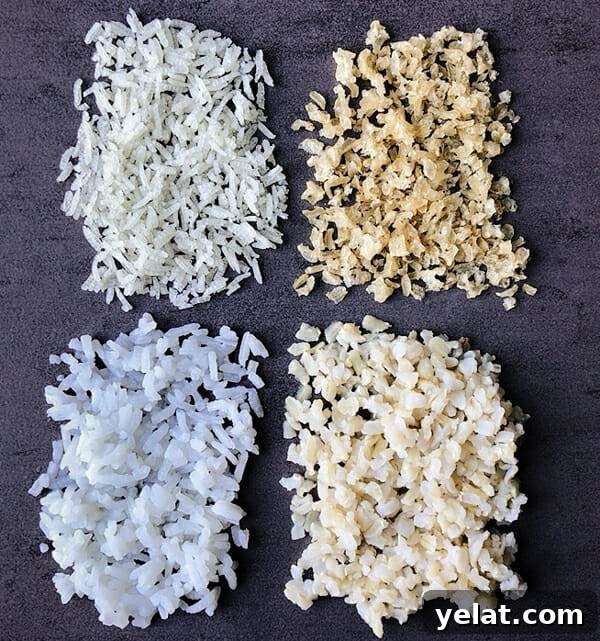
Want to dehydrate rice? It’s perfect for backcountry meals and surprisingly simple to do.
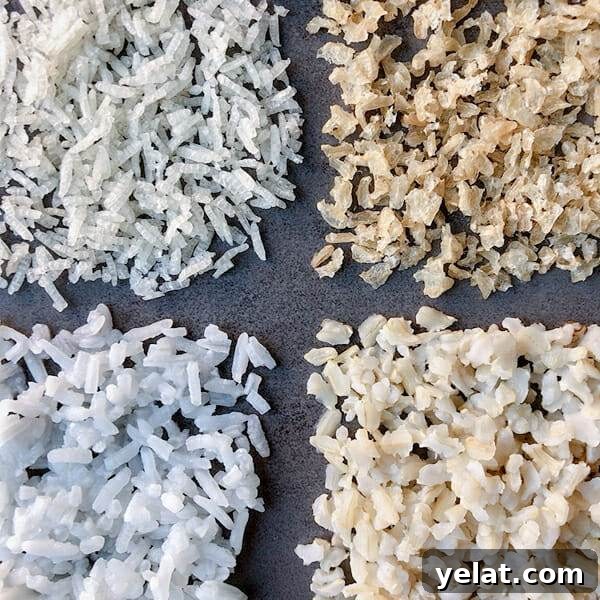
Why Dehydrate Rice?
Dehydrating cooked rice creates a lightweight, quick-cooking staple ideal for backpacking and emergency food supplies. By cooking rice at home, then drying it, you carry less weight, use less fuel, and spend less time preparing meals when you’re on the trail. Homemade dehydrated rice performs like instant rice but without the processed taste of some commercial products. It’s a simple way to turn your favorite long grain, short grain, Jasmine or Basmati rice—white or brown—into a convenient, shelf-stable ingredient.
How To Dehydrate Rice

Dehydrated Rice
Ingredients
- 1 cup raw rice
- 11/2-2 cups water or low-fat broth (or as instructed on package)
- 1/2 tsp salt
Instructions
-
Rinse rice until the rinse water runs clear to remove excess starch.
-
Bring water or broth to a boil. Use 1 1/2 cups water for white rice and 2 cups for brown rice.
-
Add rice and salt, cover, and simmer: about 18–20 minutes for white rice or 35–40 minutes for brown rice (follow package directions if they differ). For best trail results, slightly overcook rather than undercook.
-
Rinse the cooked rice under running water to remove extra starch and cool it quickly. Drain thoroughly.
-
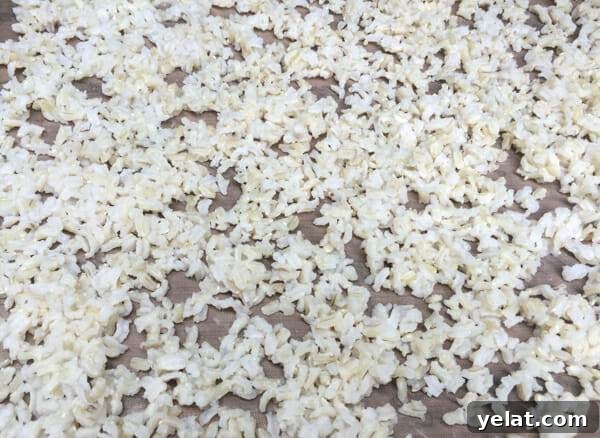
Spread the rice in an even, single layer on lined dehydrator trays so small grains won’t fall through the mesh.
-
Dry at 125°F (52°C) for 6–8 hours. Drying time depends on humidity and rice type.
-
Check periodically and break up any clumps to ensure even drying.
-
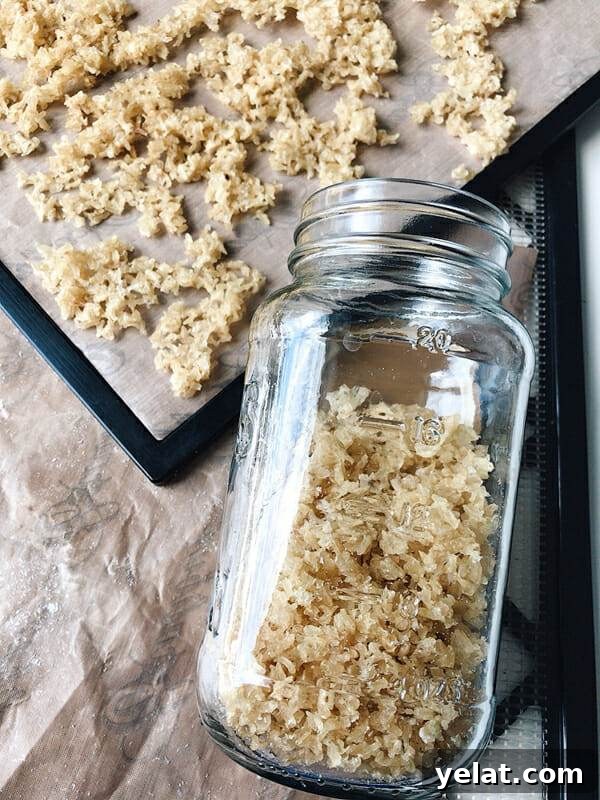
Rice is done when it appears translucent and is hard throughout.
-
Allow trays to cool for at least one hour before packing.
-
Break up large clumps and store in a glass jar for up to six months for best quality. For longer storage, use oxygen absorbers or vacuum sealing and keep in a cool, dark place. Note: brown rice has a shorter shelf life because of its higher oil content.
-
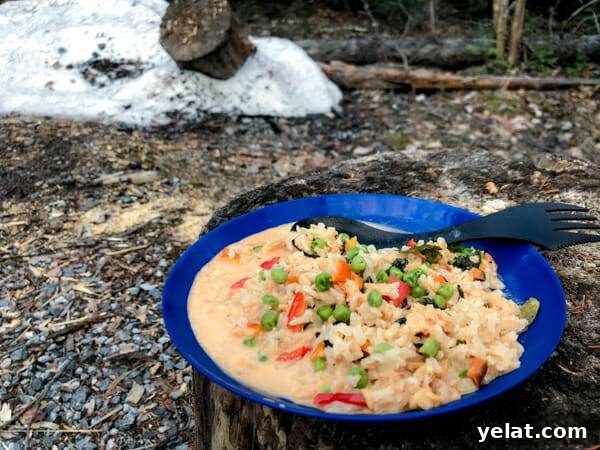
Use the dried rice by itself or add it to assembled dehydrated meals like curries, porridges, or rice-based entrees.
Re-hydrating Rice – 1 serving (about 1 cup cooked rice)
-
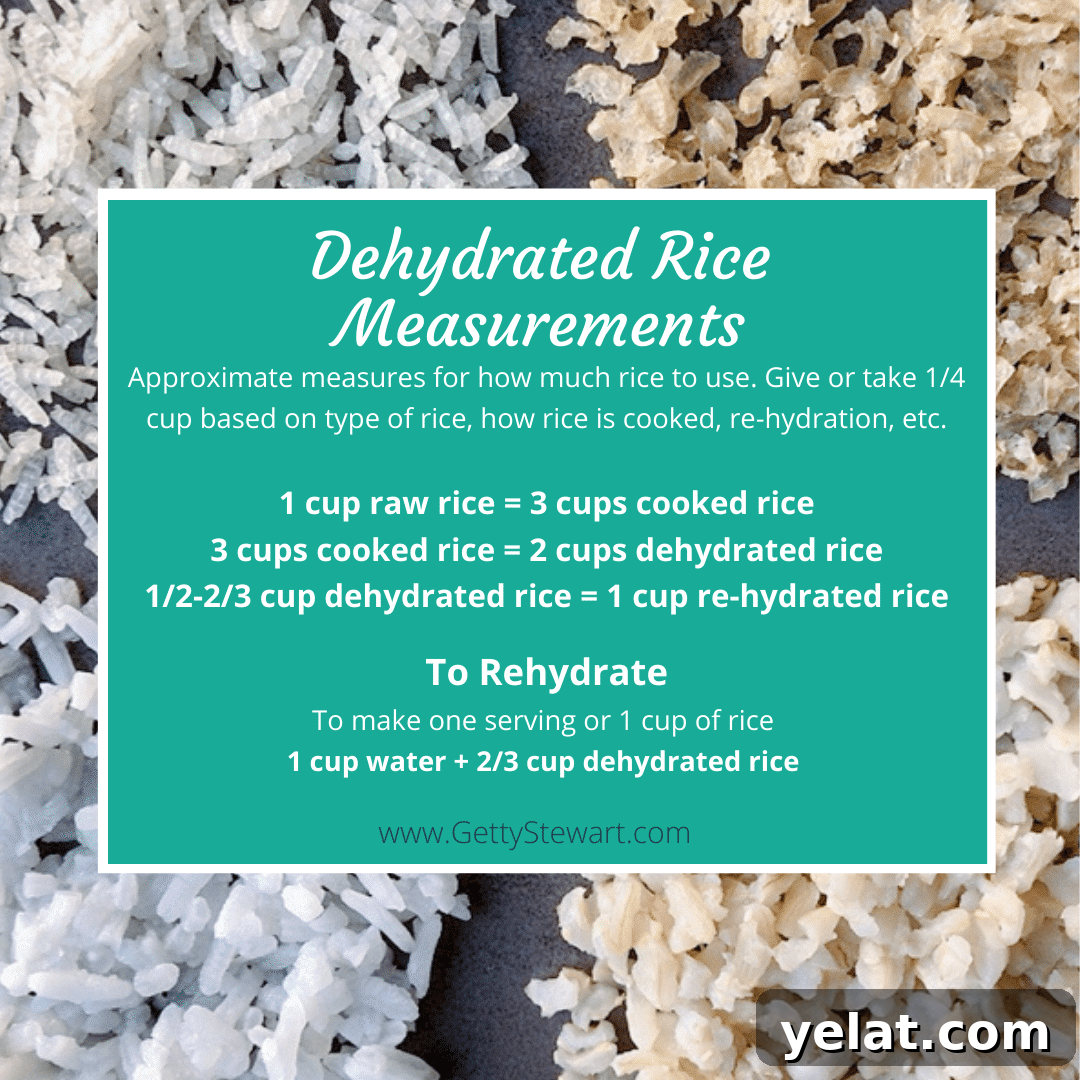
Bring 1 cup water to a boil in your cooking pot. Add 2/3 cup of dehydrated rice, turn off the heat, cover, and let rest for 12–15 minutes until the rice softens and the water is absorbed. If necessary, return to heat briefly to warm through.
-
White rice usually rehydrates in about 12 minutes; brown rice may take closer to 15 minutes. Finished volume typically ranges from 1 to 1 1/4 cups of cooked rice.
Notes
Read here for more information on selecting a dehydrator and gear recommendations.
Figuring Out How Much Rice You Need
Exact quantities will vary depending on grain type, how much you eat, and how the rice was cooked before drying. As a rule of thumb, 1 cup of dry rice typically yields about 3–4 one-cup servings after cooking and dehydrating. Adjust based on appetite and whether rice is the main component of your meal or a side.
How to Rehydrate Rice
Patience is the most important tip when rehydrating dehydrated foods. If it took 6–8 hours to dry, it will take some time to re-absorb water. Use a cozy or towel to retain heat while the rice rests.
Here’s a simple rehydration method:
Boil 1 cup water.
Add 2/3 cup dried rice.
Stir, cover, and wrap in a cozy or towel to keep warm.
Let rest for 12–15 minutes.
Stir and test. If still crunchy and the water is absorbed, add a little more hot water and wait. If there’s excess water, drain or wait a few minutes to allow absorption.
If rice has cooled, heat briefly for 1–2 minutes.
Let’s Talk About Brown Rice
Whole grains retain bran, germ, and endosperm, which makes them more nutrient-dense than refined grains. Brown rice offers more fiber, protein, and healthy fats than white rice and rehydrates nearly as quickly—usually requiring just a few extra minutes. For variety and better nutrition, include both brown and white rice in your meal rotation, and rotate other grains like quinoa, barley, and oats.
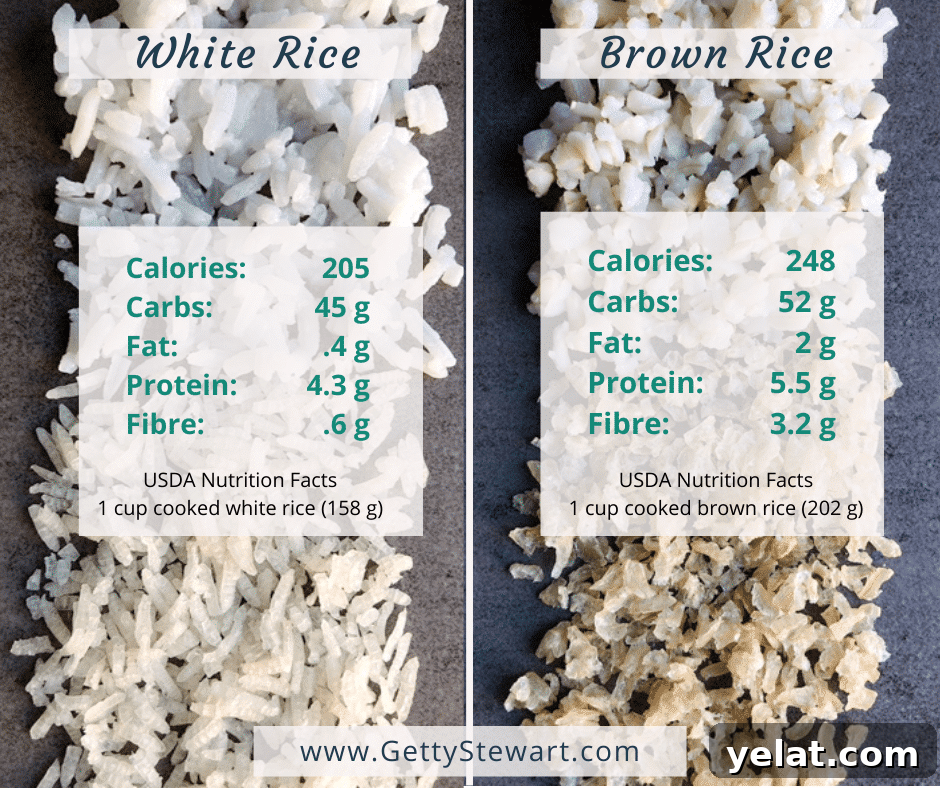
What about arsenic in rice?
Rice can contain trace amounts of arsenic absorbed from soil or water. Brown rice typically contains more because arsenic concentrates in the bran layer. While arsenic is present in rice worldwide, occasional consumption as part of a varied diet is not considered a major risk for most adults. Infants, pregnant women, and young children should minimize rice-based products like rice cereal and rice drinks. Agencies in the US, Canada, and EU recommend eating a variety of grains to reduce reliance on any single source.
In practice, moderate consumption—mixing white and brown rice with other whole grains—balances nutritional benefits and potential risks. On the trail and at home, rotating grains and keeping servings moderate is a sensible approach.
What do you think? Will this change how, when, or what type of rice you choose to eat?
Cook with the seasons, effortlessly! I’m Getty, a food educator and Professional Home Economist, helping you select, store, and serve seasonal ingredients in simple, everyday meals. Sign up for seasonal tips and recipes and explore my books, guides, and videos for more ideas.