Learn about ginger essential oil: its uses, benefits, roller bottle recipes, and diffuser blends.
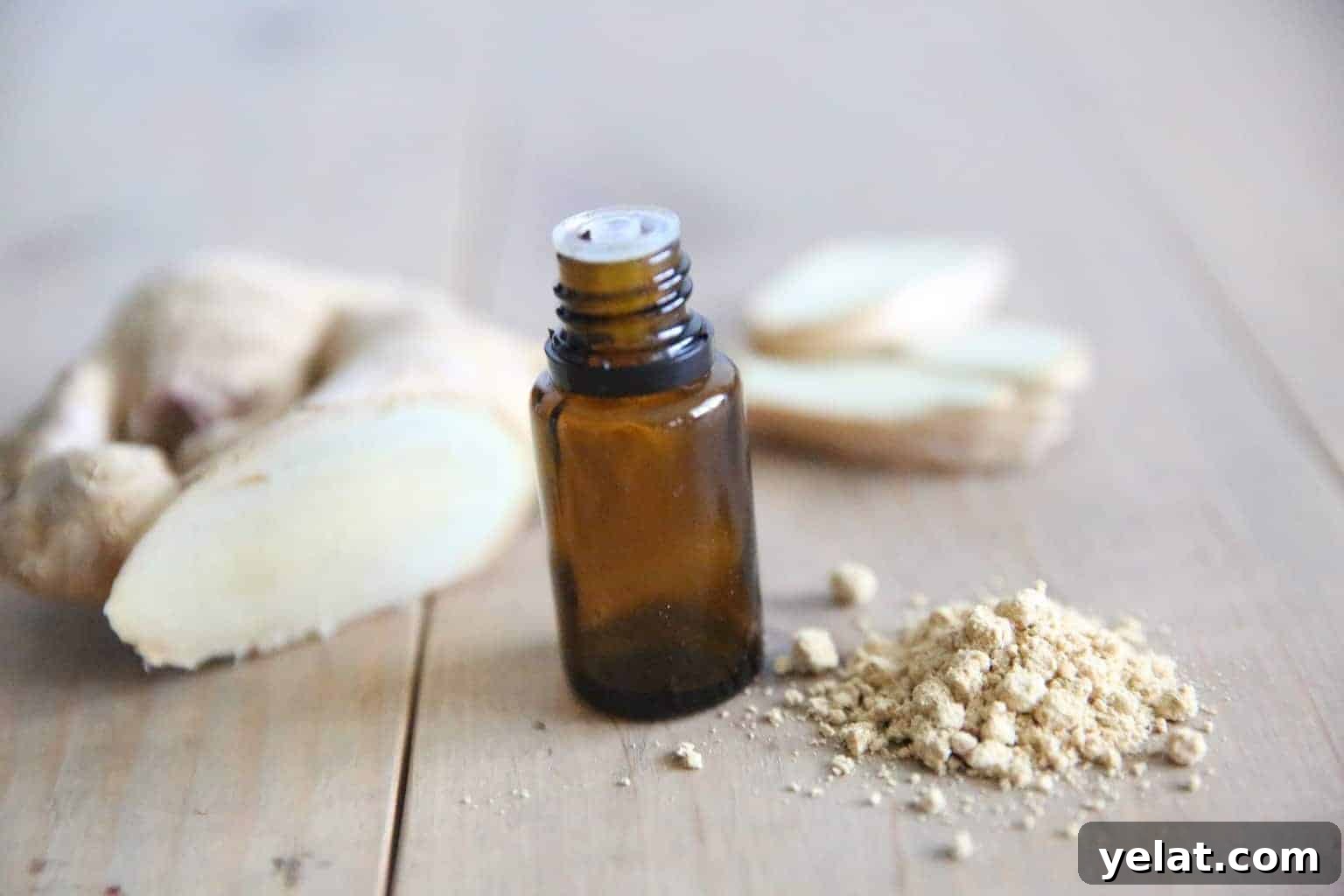
Ginger essential oil is a versatile oil I use frequently in roller bottle and diffuser blends. In this article you’ll find what ginger oil is, how to use it safely, its primary benefits, and several practical recipes for roller bottles and diffusers.
For printable labels and blend cards, check your resource library for downloadable templates and guides.
WHAT IS GINGER ESSENTIAL OIL?
Ginger is derived from the knotted underground stem of the plant, called a rhizome. The essential oil is produced by steam distilling the rhizome, concentrating the plant’s aromatic and therapeutic compounds.
Ginger is used fresh, dried, or as an essential oil and has a long history in Asian cuisine and traditional medicine. It has been used for centuries to ease digestive complaints and is also available in tinctures, capsules, teas, and extracts.
HOW TO USE GINGER ESSENTIAL OIL
Ginger essential oil can be applied topically, inhaled aromatically, or taken internally in specific, careful ways. Consult a healthcare professional before internal use.
Topical use: Dilute 1 drop of ginger oil in 1 teaspoon of carrier oil for safe topical application. Apply to the stomach, the soles of the feet, or across the bridge of the nose. Roller bottles are a convenient format for topical blends (see roller bottle recipe below).
Aromatic use: Diffuse 4–6 drops of ginger oil in water, or add a drop to your palms, rub together, and inhale by cupping your hands over your nose and mouth. Inhaling ginger can help relieve nausea and support emotional calm.
Internal use: If advised by a qualified practitioner, internal methods can include adding 1–2 drops to a veggie capsule, placing 1 drop under the tongue for a brief period before swallowing, or mixing 1–2 drops into 4 ounces of water to soothe an upset stomach. Always confirm safety and dosage with a healthcare provider.
GINGER ESSENTIAL OIL TOP USES
Settles the stomach
Ginger is known for its antiemetic properties and is an effective carminative, helping reduce gas and nausea. It’s commonly used for motion sickness, pregnancy-related nausea, and general digestive upset. Apply topically over the stomach or inhale to ease queasiness, bloating, or cramps.
Promotes relaxation
Ginger also supports emotional wellbeing. It can calm stress and anxious feelings while its warming, stimulating qualities may uplift mood and reduce restlessness. Use diluted ginger on pulse points or diffuse it before bedtime to support a restful night.
Supports immune defense
Ginger oil can be used as part of an immune-support routine. Applying diluted ginger to the soles of the feet or along the spine may provide additional support during seasonal challenges.
Soothes joint and muscle discomfort
Rich in antioxidant properties, ginger can help relieve muscle and joint tension. Apply diluted topically to areas of discomfort or use internally under professional guidance for broader support.
Warming massage
Ginger’s warming aroma and topical effects make it an excellent choice for massage. Blend ginger with a carrier oil, whipped body butter, or lotion to create a soothing massage oil for the back, shoulders, or other tense areas.
GINGER ESSENTIAL OIL ROLLER BOTTLE
Roller bottles are convenient for applying essential oils topically and are easy to carry for on-the-go relief.
How to make a ginger roller bottle
- Add 15–20 drops of ginger essential oil to a 10 mL roller bottle.
- Top with a carrier oil of your choice to fill the bottle.
- Cap and shake gently to blend; the roller is ready to use.
How to use a ginger roller
Apply to the stomach, chest, soles of the feet, or bridge of the nose for digestive or aromatic benefits. Reapply as needed, observing proper dilution for age and sensitivity.
ROLLER BOTTLE RECIPES
Tummy Tamer
- 8 drops ginger essential oil
- 5 drops peppermint essential oil
- 3 drops fennel essential oil
- 2 drops frankincense essential oil
- 2 drops lemon essential oil
Open Air Passages
- 8 drops ginger essential oil
- 5 drops peppermint essential oil
- 3 drops eucalyptus essential oil
- 2 drops frankincense essential oil
- 2 drops lime essential oil
Relaxation and Calming
- 6 drops ginger essential oil
- 5 drops frankincense essential oil
- 4 drops bergamot essential oil
- 3 drops copaiba essential oil
- 5 drops lavender essential oil
DIFFUSER BLEND RECIPES
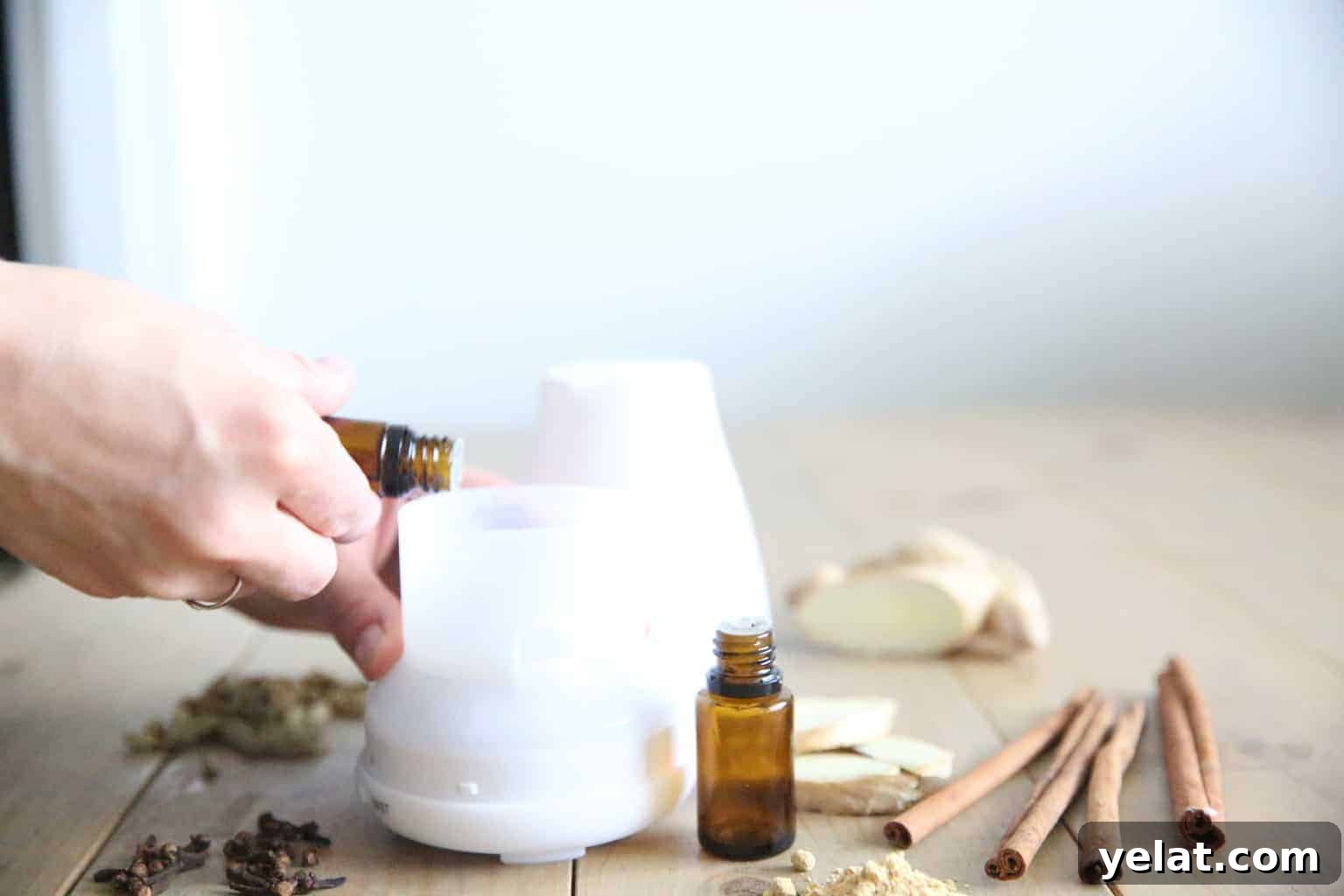
Sweet Apple Pie
- 3 drops clove essential oil
- 2 drops cinnamon essential oil
- 2 drops ginger essential oil
- 1 drop bergamot essential oil
Cleanse the Air
- 3 drops wild orange essential oil
- 2 drops lemon essential oil
- 2 drops ginger essential oil
- 1 drop melaleuca essential oil
Nausea Relief
- 3 drops peppermint essential oil
- 2 drops ginger essential oil
- 2 drops fennel essential oil
- 1 drop frankincense essential oil
COOKING WITH GINGER ESSENTIAL OIL
Ginger essential oil can add concentrated flavor to recipes. Use sparingly—essential oils are highly potent. To preserve flavor and some beneficial compounds, add oil at the end of cooking when possible.
- Replace 1 tablespoon of dried ginger with 1 drop of ginger essential oil.
- Add 1–2 drops to herbal tea for nausea relief.
- Use small amounts in baked goods such as cookies, pies, or quick breads that call for ginger.
How do you like to use ginger essential oil? Try these blends and adjust amounts to suit your preferences and sensitivities.
MORE ESSENTIAL OIL HIGHLIGHTS
- What is Pink Pepper Essential Oil
- Siberian Fir Essential Oil Uses
- Myrrh Essential Oil Uses
Follow along for more aromatherapy tips and recipes on social platforms and channels you already use.
youtube