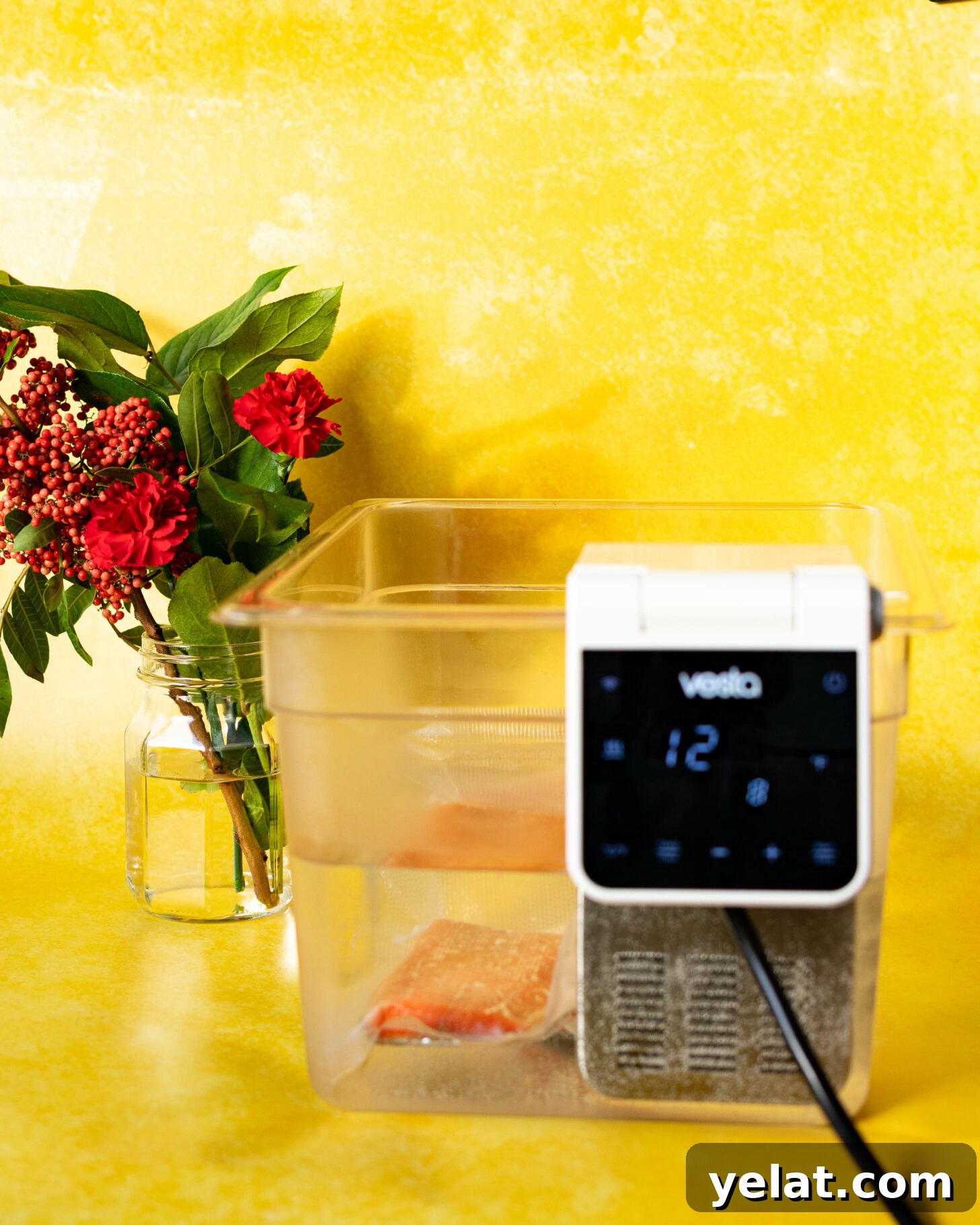
Sous vide, often called “precision cooking,” is a versatile method known for Starbucks’ Egg Bites and perfectly cooked steaks, but it works wonderfully for a wide range of dishes.
At first, sous vide can feel intimidating, but understanding the science behind it makes cooking easier and more consistent. Foods that are tricky to cook by conventional methods often become simple with sous vide.
Why learn from me? I’ve been food blogging since 2010 and using sous vide since 2016. I offer dozens of sous vide recipes across this site and in my cookbooks. I also teach beginners everything they need to know in my digital guide, Sous Vide School. I firmly believe sous vide can simplify home cooking. While I sometimes take on fun projects like sous vide brisket, most of my focus is on reliable, everyday techniques.
Sous Vide School
My beginner’s interactive guide teaches you how to make sous vide dinners, desserts, drinks and more while saving time and money.
Table of Contents
- How to Pronounce Sous Vide
- What is Sous Vide Cooking?
- How Does Sous Vide Work?
- Can You Overcook Meat?
- Sous Vide Cooking and Safety
- Pasteurization
- Sous vide bags
- Is Sous Vide Worth It?
- Sous Vide Equipment for Beginners
- Recipes to Get Started
- Sous Vide Education
How to Pronounce Sous Vide
If you’re unsure how to pronounce this French term, here’s a simple guide: Soo (like “moo”) veed. Now you can say it confidently.
What is Sous Vide Cooking?
Sous vide, which translates from French as “under vacuum,” combines long-standing cooking ideas like low-and-slow and vacuum sealing into a single technique that became popular in France in the 1970s.
In practice, sous vide means sealing food in a food-safe bag or jar, removing the air, and immersing it in a water bath set to a precise temperature for an extended time. The consistent, controlled temperature is the key: food cooks to the exact doneness you set and stays there.
To sous vide, fill a container (a stockpot works) with water and place an immersion circulator in it. The circulator heats and circulates the water, maintaining an even, precise temperature—much like a hot tub heater with a pump.
How Does Sous Vide Work?
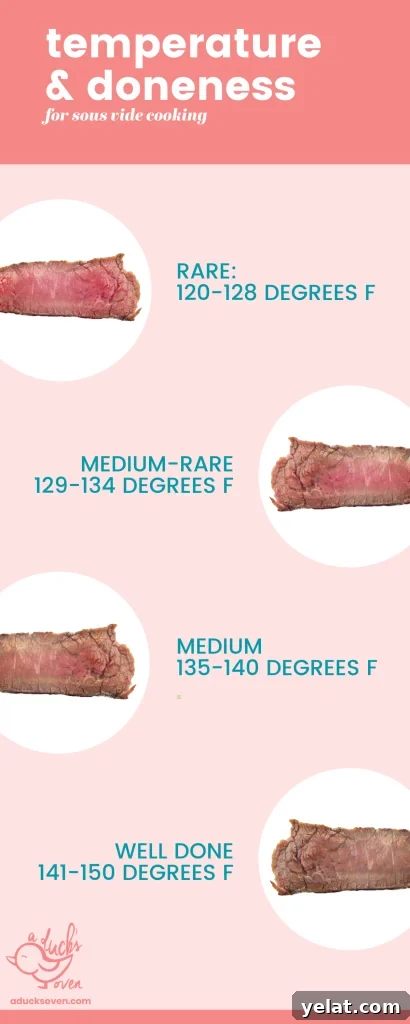
Take steak as an example. Doneness depends on the internal temperature: rare steaks are cooler at the center than well-done steaks. When you set a sous vide bath to the temperature that corresponds to your desired doneness, the meat cannot exceed that temperature. For medium-rare, many cooks use 129°F. A vacuum-sealed steak placed in a 129°F bath will never get hotter than 129°F, so it reaches and holds the exact doneness you want.
By contrast, cooking steak in an oven at high heat requires perfect timing to remove it when the center reaches your target temperature—an imprecise task. With sous vide, you can leave the steak in the bath for a longer time without overcooking it, because the water temperature limits how hot the food can become.
Can You Overcook Meat?
You can’t overcook meat in terms of doneness with sous vide, but you can change its texture if you cook it long enough. Sous vide gives you a uniform texture from edge to edge, eliminating the rings of varying doneness found in conventional cooking.
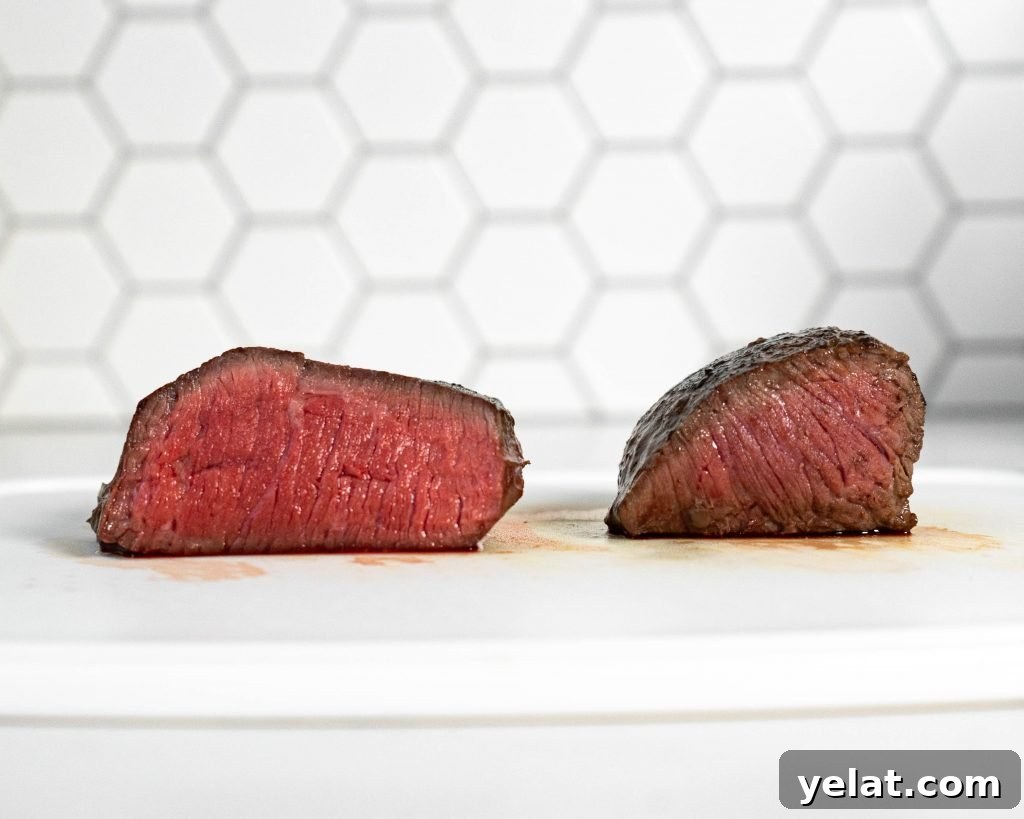
Longer cooking times break down connective tissues and tenderize meat. This can be desirable for tougher cuts—sous vide lets you achieve pulled-pork or fork-tender results without drying the meat out the way some slow-cooking methods can.
Sous Vide Cooking and Safety
Sous vide can be very safe when executed properly. The most important practical tip is to periodically check your circulator to ensure it’s running. Like any appliance, it can fail.
Pasteurization
You can pasteurize meats—kill pathogens while maintaining a preferred texture—by combining time and temperature. While many people associate chicken with a single target of 165°F, pasteurization depends on both temperature and the time the food spends at that temperature.
For example, chicken held at 140°F needs about 27.5 minutes at that temperature to reach pasteurization. Higher temperatures require less time: at 145°F it takes about 9.2 minutes, at 150°F about 2.8 minutes, and at 155°F under a minute. Most home cooks allow extra time (commonly two hours for chicken) to ensure safety and consistent texture.
Sous Vide Bags
Cooking in bags is safe when you choose food-safe materials. Look for BPA-free bags labeled high-density polyethylene, low-density polyethylene, or polypropylene. Most vacuum-seal bags are safe below boiling temperatures. If you use zipper-top bags, choose high-quality freezer-grade options.
Avoid polycarbonate plastics commonly found in cling wrap and some containers. Use bags intended for cooking or food storage to ensure safety.
Is Sous Vide Worth It?
For many home cooks, the answer is yes. Sous vide removes guesswork: no babysitting, no worrying about overcooking, and reliable results for delicate or expensive proteins like fish and steak. If you’re vegetarian or vegan, weigh the cost and space considerations—while vegetables and desserts can benefit from sous vide, you may or may not use the equipment enough to justify the investment.
Sous Vide Equipment for Beginners
The essential tool is an immersion circulator. There are several reliable models on the market; many home cooks favor compact, accurate units. A dedicated water bath container helps, but a large pot or stockpot will do for starting out. Additional accessories—vacuum sealer, quality bags, and a rack—are useful but not strictly required.
Recipes to Get Started
Ready to try sous vide? Here are beginner-friendly recipes you can follow in order:
- Sous Vide Tri Tip Steak
- High Protein, Low Fat Sous Vide Egg Bites
- Sous Vide Pork Chops (Bone In or Boneless)
- Sous Vide Chicken Breasts
- Sous Vide Salmon
- Cilantro Lime Sous Vide Shrimp
- Sous Vide Chicken Thighs (Bone-In and Boneless)
- Sous Vide Smoked Beef Brisket
There are many more sous vide recipes on this site to explore as you build confidence.
Sous Vide Education
If you want to deepen your skills, I’ve created resources to help home cooks learn sous vide techniques. These collections of videos, text lessons, and practical labs are designed to make you confident with precision cooking.
Sous Vide School
Sous Vide School is a beginner’s interactive guide with videos, resources, and practical labs to help you feel confident in the kitchen.
Sous Vide Meal Prep
This cookbook details a method for keeping your freezer stocked with ready-to-sous-vide meals and includes a variety of practical recipes.