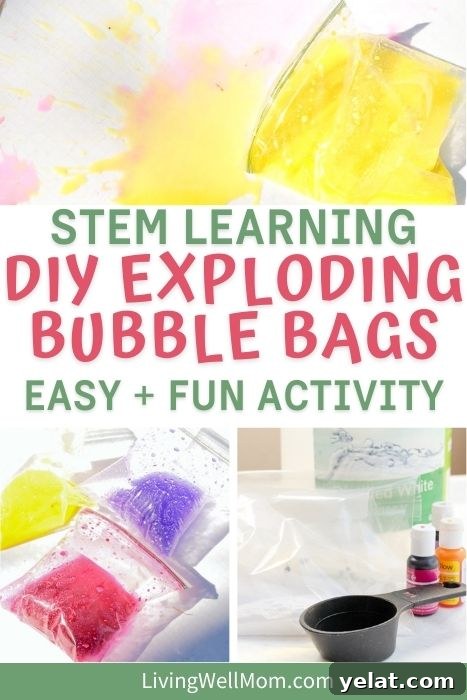
My kids love anything that foams, fizzes, or makes a dramatic pop. There are only a few safe ways to get that explosive excitement at home, and one of our go-to activities is making exploding bubble bombs.
Don’t be alarmed by the name—these “bombs” are harmless and a lot of fun. Even better, they’re a great way to sneak in simple STEM lessons; the kids are too busy watching the reaction to notice they’re learning.
What are bubble bombs?
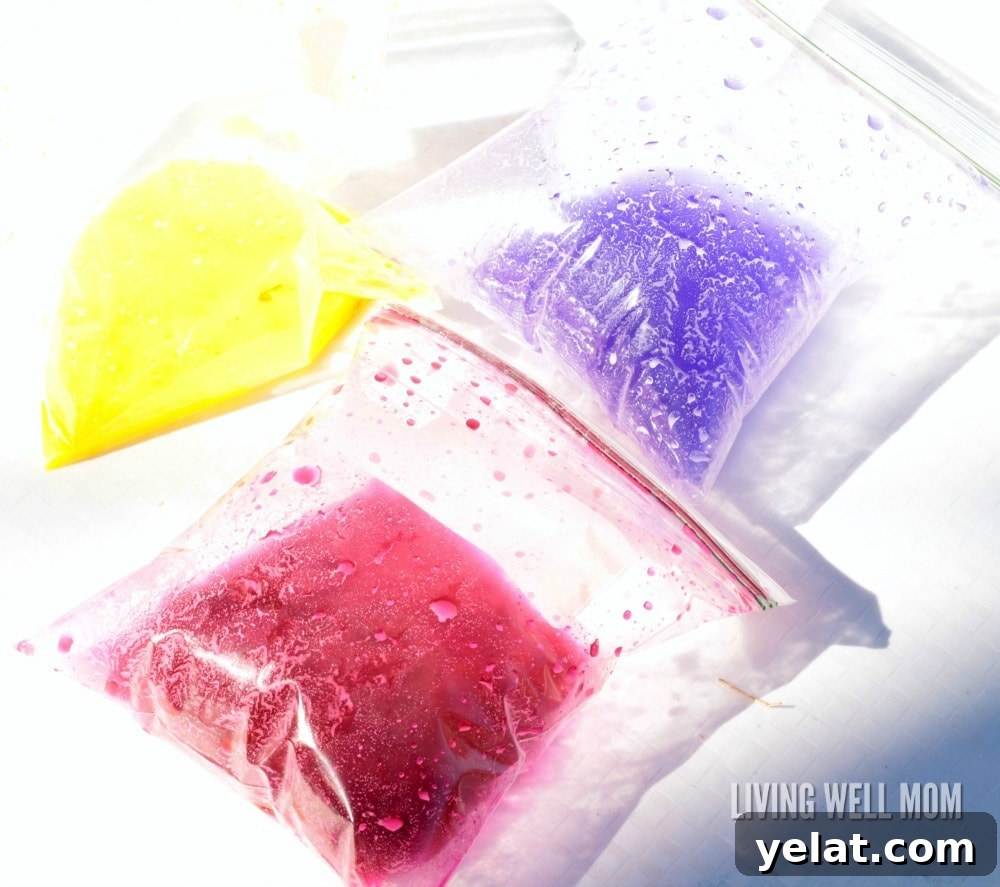
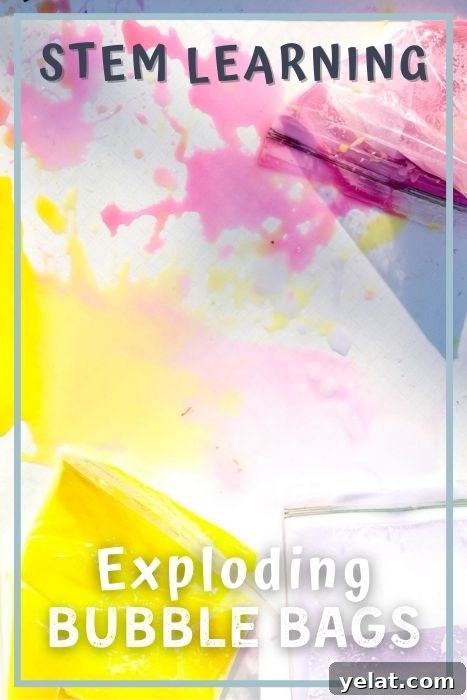
Bubble bombs are small zip-top bags that inflate and then burst in a colorful puff. The reaction between baking soda and vinegar produces carbon dioxide, which causes the bag to expand and eventually pop, releasing a fizzy, colorful explosion.
Although the name sounds dramatic, this is a low-risk activity that’s simple for kids to assemble and reliably entertaining.
Supplies
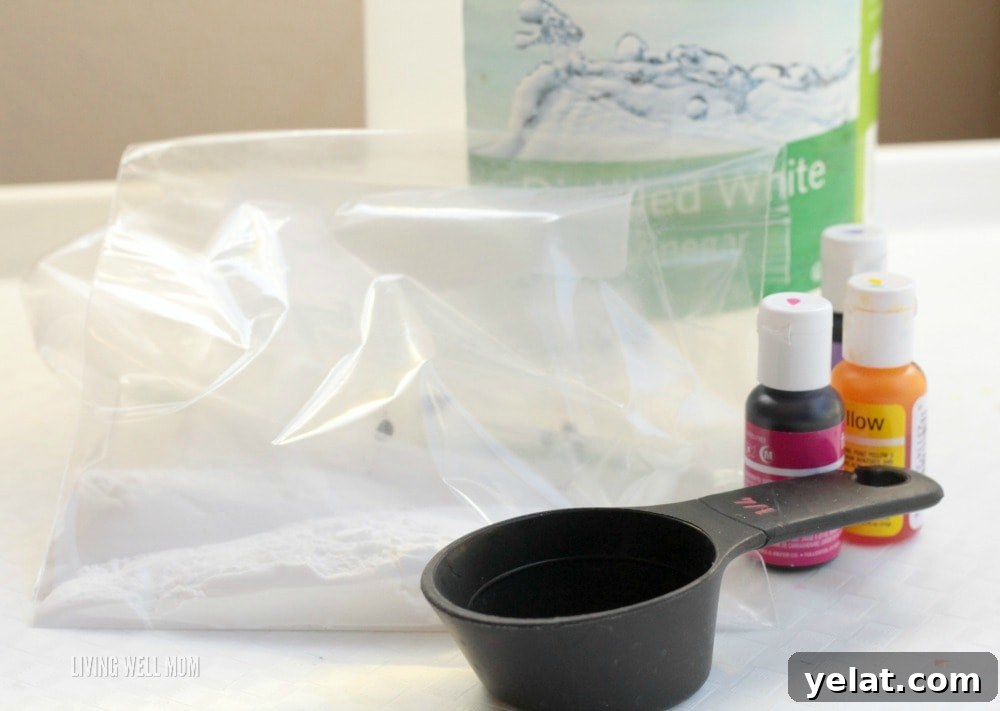
You probably have everything you need in the kitchen. Gather these basic supplies:
- 2 tablespoons baking soda (per bag; we made three colors)
- Food coloring
- Vinegar
- Measuring cup
- Small zip-top bags (press-close, not slider-style)
How to Make Bubble Bombs
First, test your bags. Bags with a double-lock zipper may be less likely to burst; single-row press-close bags often work best for this activity.
Add about 1/4 cup of vinegar to each bag and 4–6 drops of food coloring. Seal the bags and take them outside—this is definitely an outdoor-only activity to avoid mess indoors.
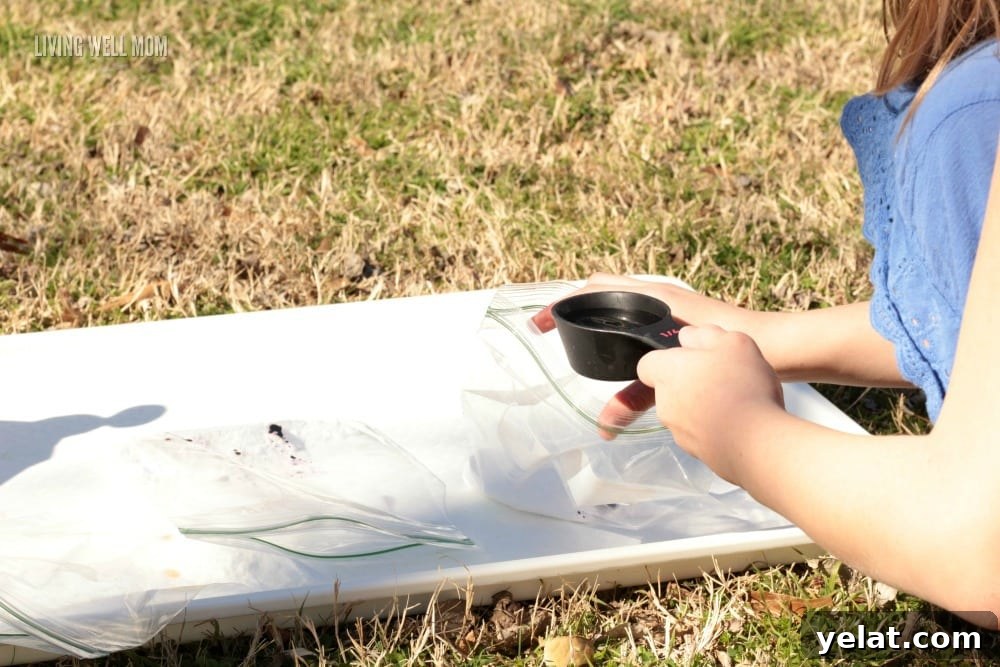
Once outside, open each bag slightly, drop in 2 tablespoons of baking soda, quickly seal, and step back. The baking soda and vinegar will react, producing bubbles of carbon dioxide that inflate the bag until it bursts with a satisfying pop.
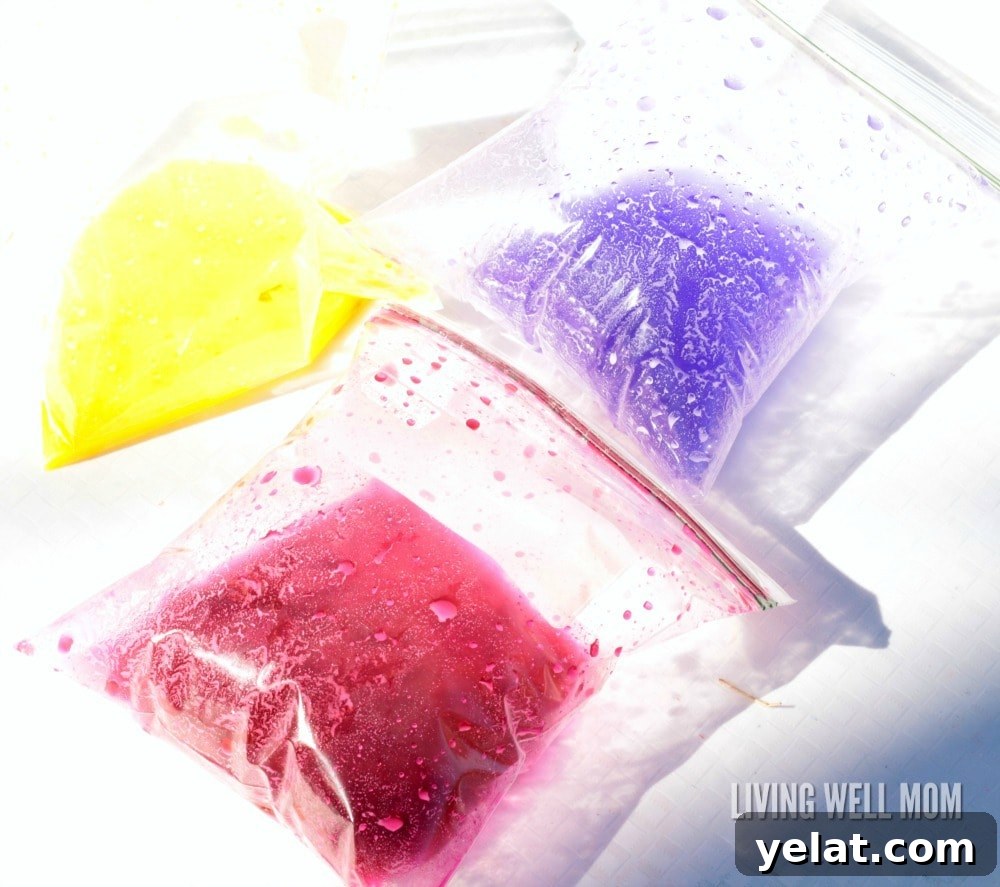
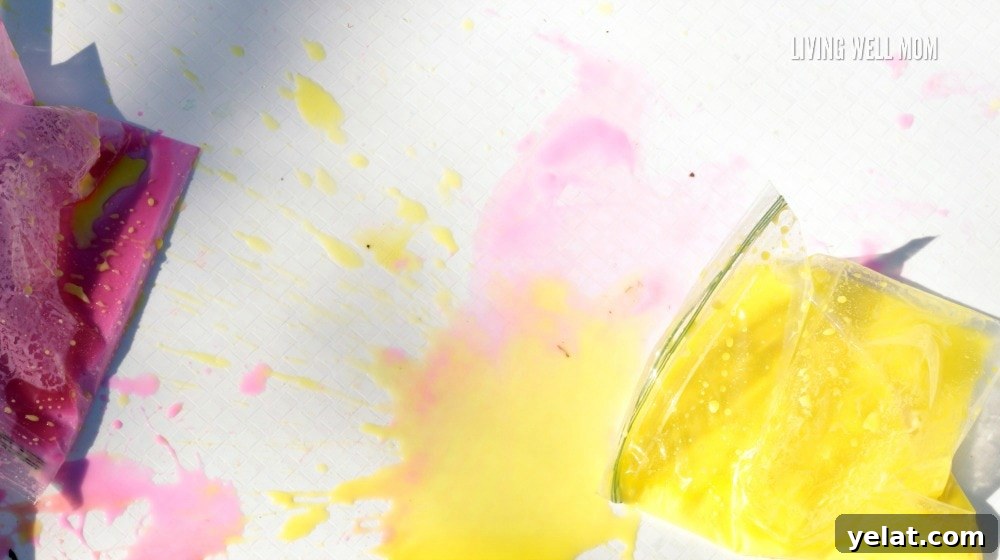
The expanding bags bubble and swell, then release a colorful splash when they pop. Kids love watching the transformation from tiny ingredients to dramatic results, and they’ll often ask to repeat the experiment multiple times.
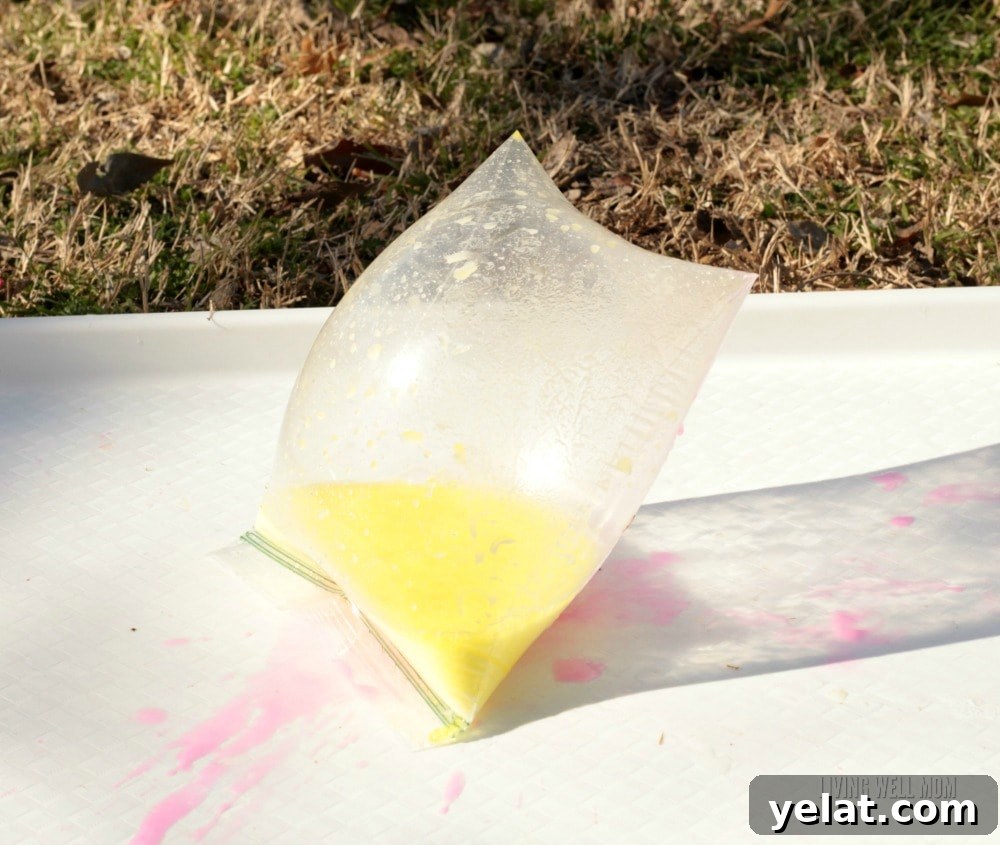
This simple demonstration makes an effective and memorable introduction to chemical reactions. It’s an especially fun activity for a sunny spring or summer day.
FAQs About This Project
Can you use these inside?
Keep this activity outdoors. Some people try it in bathtubs or sinks, but it’s easy to create an unexpected mess—so outdoor is best for safety and cleanup.
Can I use any kind of vinegar?
White vinegar is recommended. It’s inexpensive and clear, so the food coloring shows up brighter than it would with dark vinegars like balsamic.
What makes the bags explode?
When vinegar (an acid) mixes with baking soda (a base), they react to form carbon dioxide gas. In a sealed bag the gas has nowhere to escape, so pressure builds until the bag pops. It’s a simple, visual way to explore chemical reactions.
More STEM Projects for Kids
- Salt Crystal Leaves STEM Activity
- Catapult for Kids’ STEM Project
- Make Mess-Free Glittery Snow Slime in Minutes