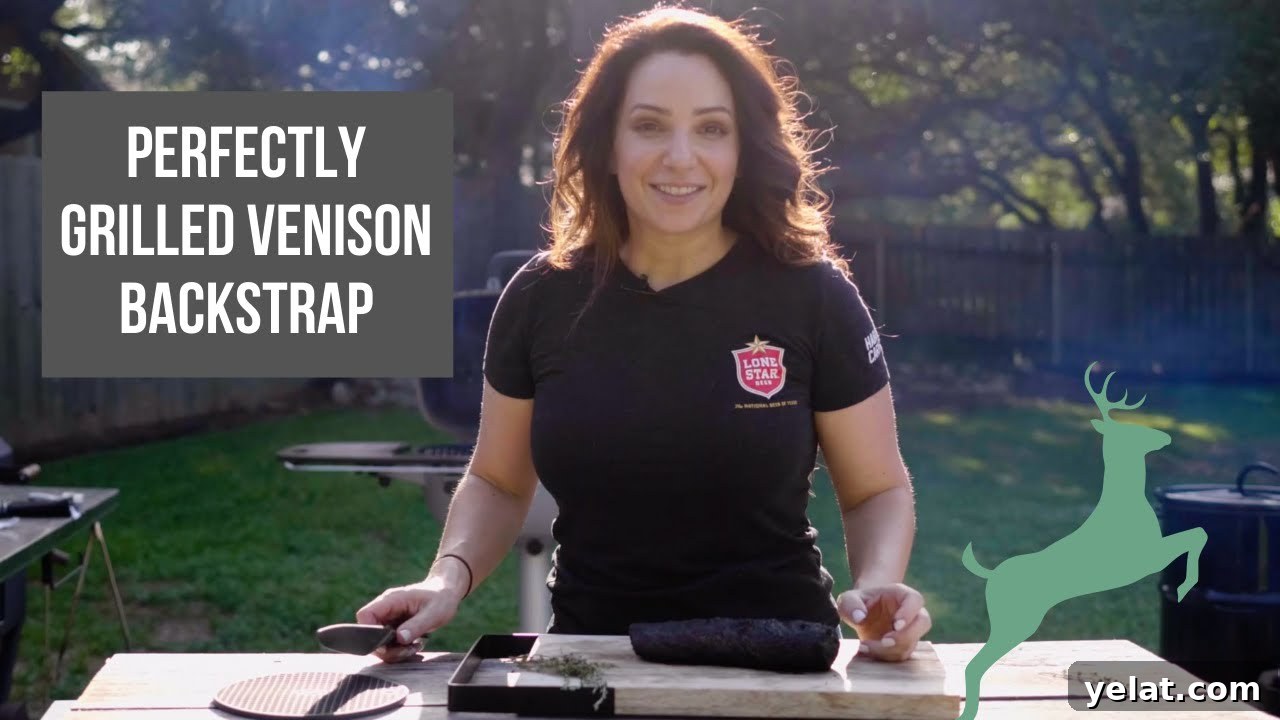
I’m a huge fan of leaving backstraps whole and not cutting them into smaller steaks – it makes them easier to cook to perfection, with a little help from Hardcore Carnivore Black seasoning. Here’s how I grill my backstraps and create an easy blackberry pan sauce to go with them.
Grilling a whole backstrap delivers tender, juicy meat with minimal fuss. Leaving the backstrap intact lets you control doneness more easily than cooking many small steaks, and it creates a beautiful presentation for the table. Before grilling, pat the backstrap dry and season generously on all sides so the flavor penetrates the surface.
For seasoning, use a bold rub that complements game — a mix of salt, cracked black pepper, garlic powder, and smoked paprika works well if you don’t have a prepared blend on hand. Let the seasoned backstrap rest at room temperature for 20–30 minutes; this helps the meat cook evenly. Preheat your grill to medium-high so you get a good sear without overcooking the interior.
Place the backstrap over direct heat to develop a crust, turning every couple of minutes so all sides brown evenly. After achieving a deep, even sear, move the backstrap to a cooler part of the grill or reduce the heat, and finish cooking to your preferred doneness. For venison and other lean game, aim for medium-rare to medium (about 125–135°F / 52–57°C), as cooking beyond that can dry the meat. Use an instant-read thermometer for accuracy and let the backstrap rest for 10 minutes before slicing — this allows juices to redistribute and keeps the slices moist.
The blackberry pan sauce is a quick, bright complement to rich, savory meat. After removing the backstrap from the grill, save any pan drippings or use a hot, heavy skillet to build the sauce. Add a knob of butter and a splash of neutral oil, then sauté a small shallot or half an onion until translucent. Deglaze the pan with a little red wine or balsamic vinegar to lift the browned bits, then add fresh or frozen blackberries and a touch of stock or water.
Simmer the mixture gently until the berries break down and the sauce thickens. Taste and balance the flavors with a little honey or maple syrup if the berries are too tart, and finish with a squeeze of lemon juice or a teaspoon of Dijon mustard for brightness and depth. Strain the sauce for a smooth finish if you prefer, or leave it chunky for texture. Stir in a pat of butter off the heat to give the sauce a glossy finish and rounded flavor.
To serve, slice the rested backstrap across the grain into medallions and arrange them on a warm platter. Spoon the blackberry pan sauce over the slices or serve it on the side so guests can add as much as they like. Garnish with fresh herbs like thyme or parsley for color and a light herbal note that pairs well with both the meat and the fruit.
This approach — grilling the backstrap whole, seasoning well, resting properly, and pairing with a simple fruit-forward pan sauce — makes for an impressive yet straightforward meal. It highlights the natural flavor of the meat while the blackberry sauce adds acidity, sweetness, and a touch of complexity without overpowering the dish.