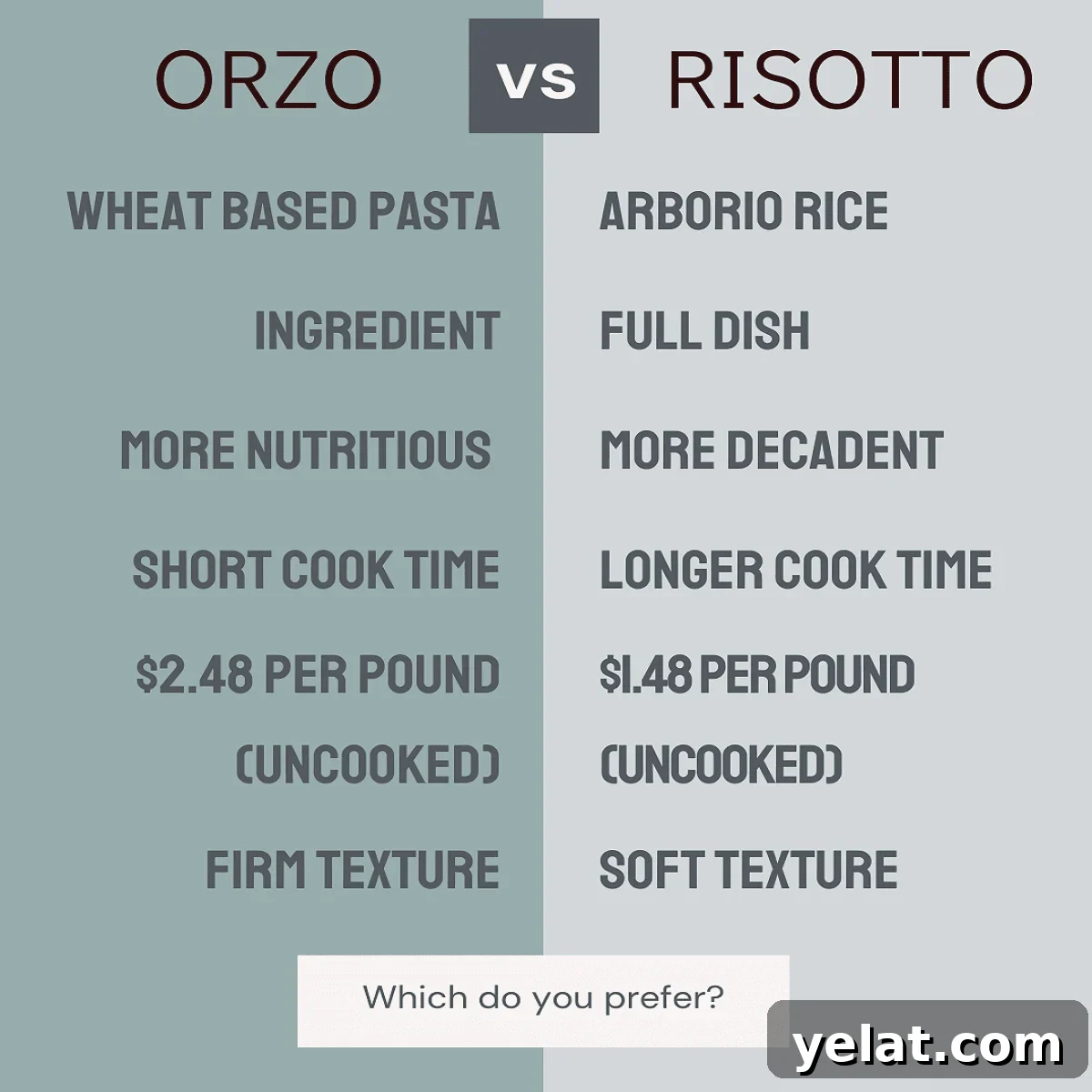
Orzo vs. Risotto: What’s the difference? Although orzo and risotto can look similar on the plate, they are distinct: orzo is a pasta, while risotto is a rice-based dish. Below you’ll find clear explanations, cooking tips, and recipe ideas to help you choose and cook both with confidence.
What is Orzo?
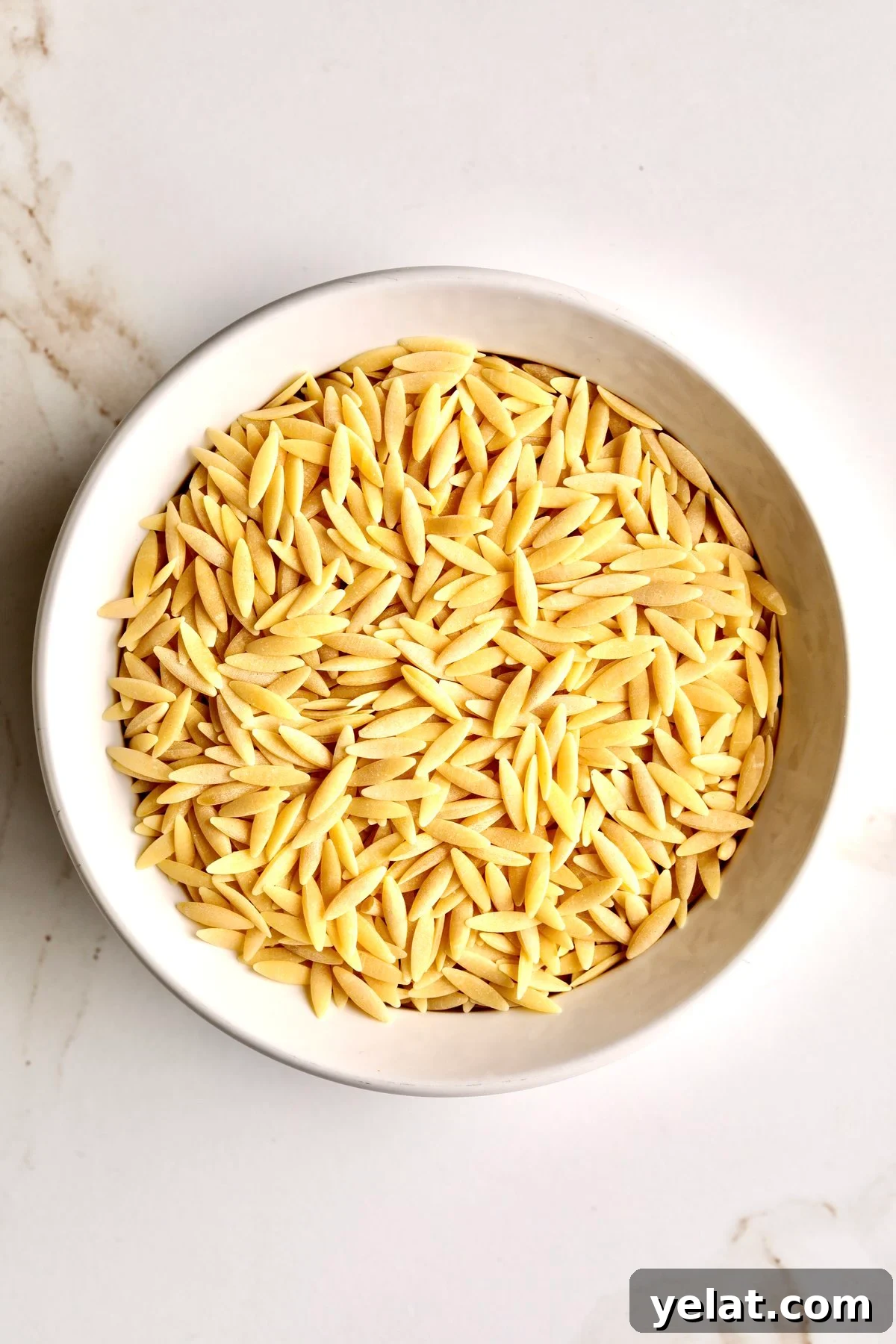
Orzo is a type of pasta shaped like a grain of rice. Typically made from wheat flour or semolina, it can also be found in whole-grain varieties. Orzo has been enjoyed in Italy and throughout the Mediterranean for centuries and is used both as a side ingredient and as the base of many dishes.
How to Cook Orzo
To cook orzo, bring a large pot of salted water to a boil, add the orzo, and follow the package directions. For al dente, cook about 8–10 minutes; for a softer texture, extend the cooking time a few minutes. Drain and finish with your chosen sauce or mix-ins.
How to Add Flavor to Orzo
Orzo’s neutral taste makes it a versatile canvas. Cook it in stock instead of water to infuse more flavor, or add lemon zest and juice to the cooking liquid. After cooking, toss orzo with butter or olive oil, grated Parmesan, fresh herbs, sautéed garlic, mushrooms, or roasted vegetables.
For a lighter option, mix in seasonal vegetables and fresh thyme. Orzo also pairs well with proteins like grilled chicken, shrimp, or roasted salmon for a complete meal.

Orzo Recipes to Try
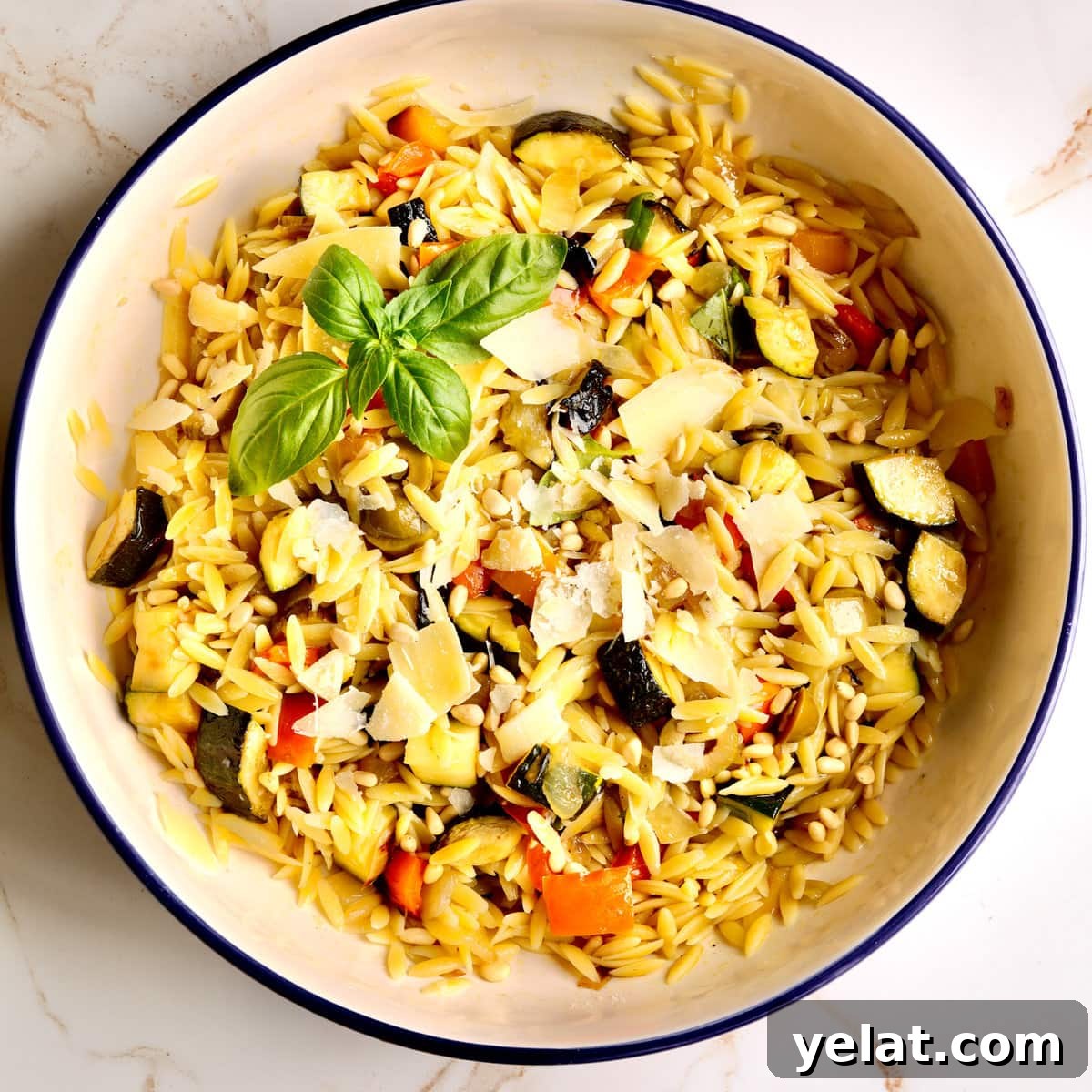
Orzo with Roasted Vegetables – Roasted, seasoned vegetables tossed with orzo in a light lemon dressing, finished with fresh basil and Parmigiano shavings.
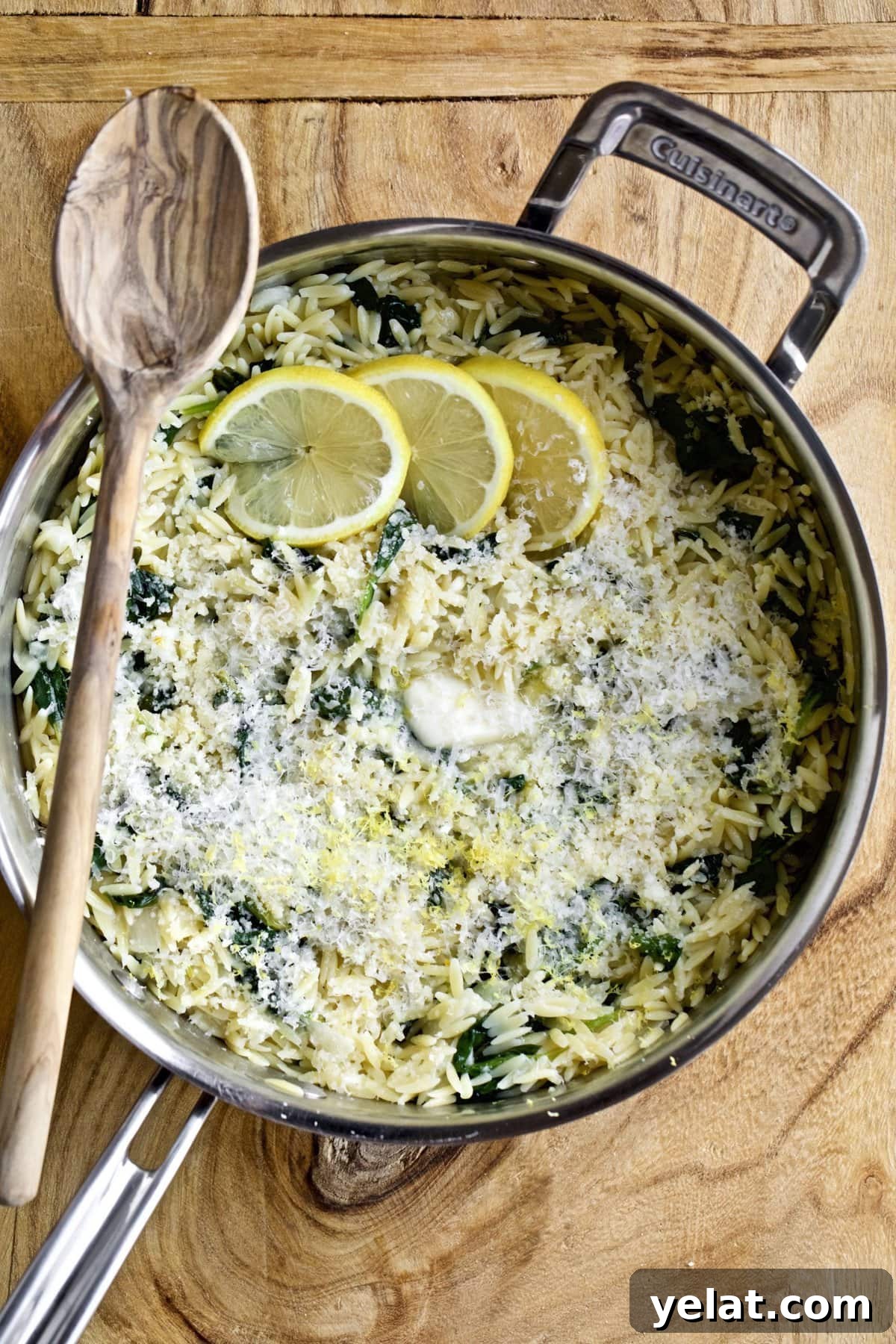
Spinach and Lemon Orzo – A creamy, 20-minute dish with butter, Parmesan, lemon, and tender spinach. Add a protein on top to make it a satisfying main course.
Orzo Skillet with Shrimp and Sundried Tomatoes – Seared shrimp combined with marinated artichokes, sun-dried tomatoes, and orzo for a bright, savory skillet meal.
Butternut Squash Orzo – Sweet roasted squash, sage, and a hint of nutmeg create a rich, comforting flavor profile.
Chicken Orzo Soup – A fresh, comforting soup featuring tender chicken, hearty orzo, and vegetables brightened with lemon for a bowl of cozy refreshment.
What is Risotto?
Risotto is an Italian rice dish made with short-grain rice such as Arborio that is slowly cooked in broth to create a creamy texture. Traditional risotto often includes butter, onion, white wine, and Parmesan. The high starch content of risotto rice releases into the liquid during cooking, producing the characteristic silky consistency.
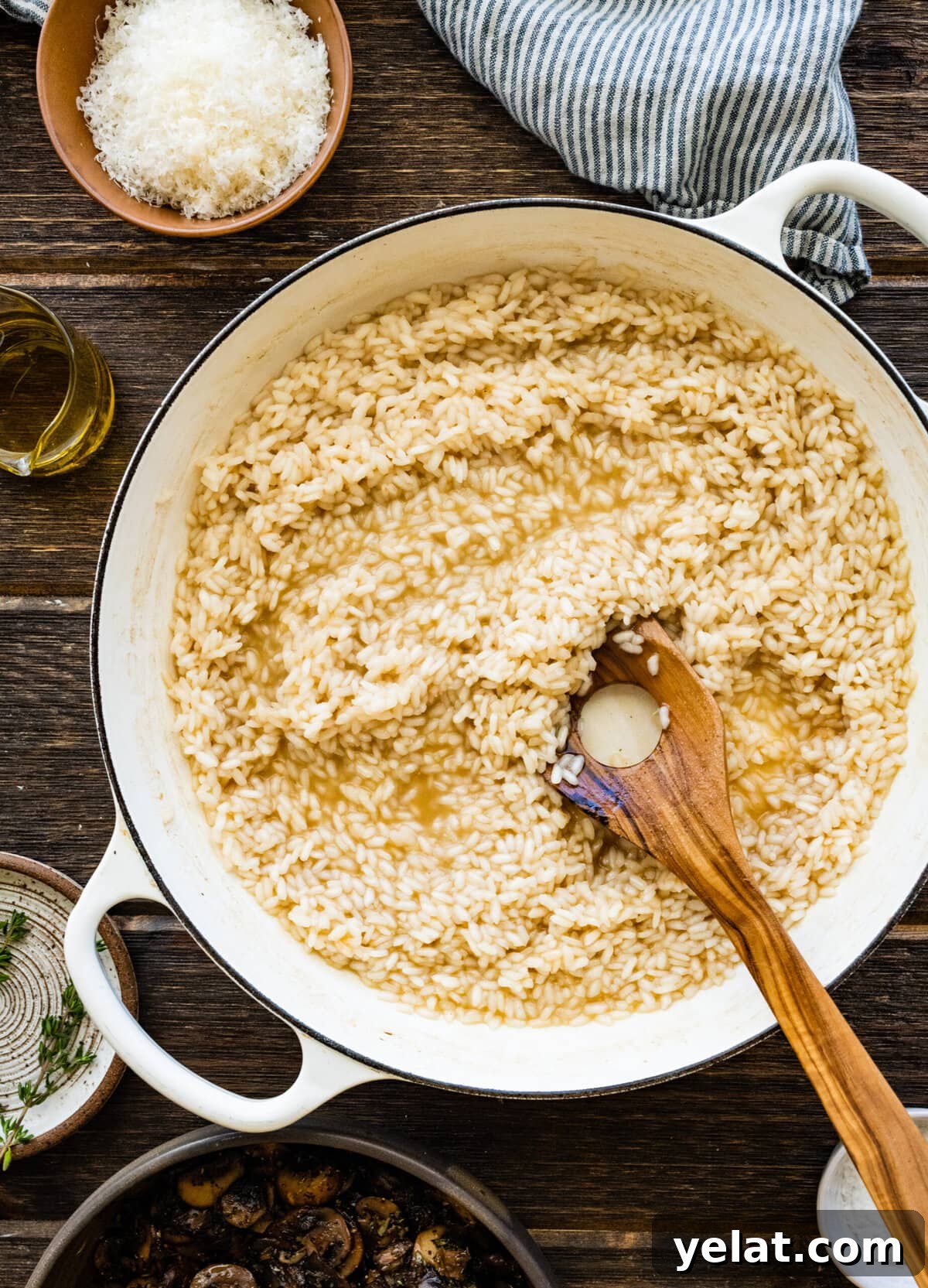
Arborio rice is named after the town of Arborio in northern Italy’s Po Valley. Variations such as mushroom risotto are widely popular and demonstrate how risotto can be adapted with different broths and add-ins.
How to Cook Risotto
Risotto requires a gradual, attentive method rather than a simple boil. A basic approach:
- Keep a pot of stock simmering on low heat.
- Sauté finely chopped onion and garlic in olive oil or butter until translucent.
- Add the risotto rice and toast briefly, stirring to coat each grain.
- Add a ladle of warm stock, stirring gently until the liquid is absorbed.
- Continue adding stock a ladle at a time, stirring and allowing absorption, until the rice is tender but still has a slight bite.
- Finish by stirring in Parmesan, a pat of butter, and seasoning to taste; serve immediately for the creamiest texture.
Types of Rice to Use for Risotto
Different Italian rice varieties have varying starches and textures that affect the final risotto:
- Arborio – Widely available and forgiving, it releases starch to produce a creamy result but can become sticky if overcooked.
- Carnaroli – A larger-grained rice prized for a firm “bite” and excellent creaminess; it tolerates longer cooking and stirring.
- Vialone Nano – Shorter and plumper, it absorbs liquid quickly while retaining shape, ideal for delicate, saucy risottos.
Risotto Recipes to Try
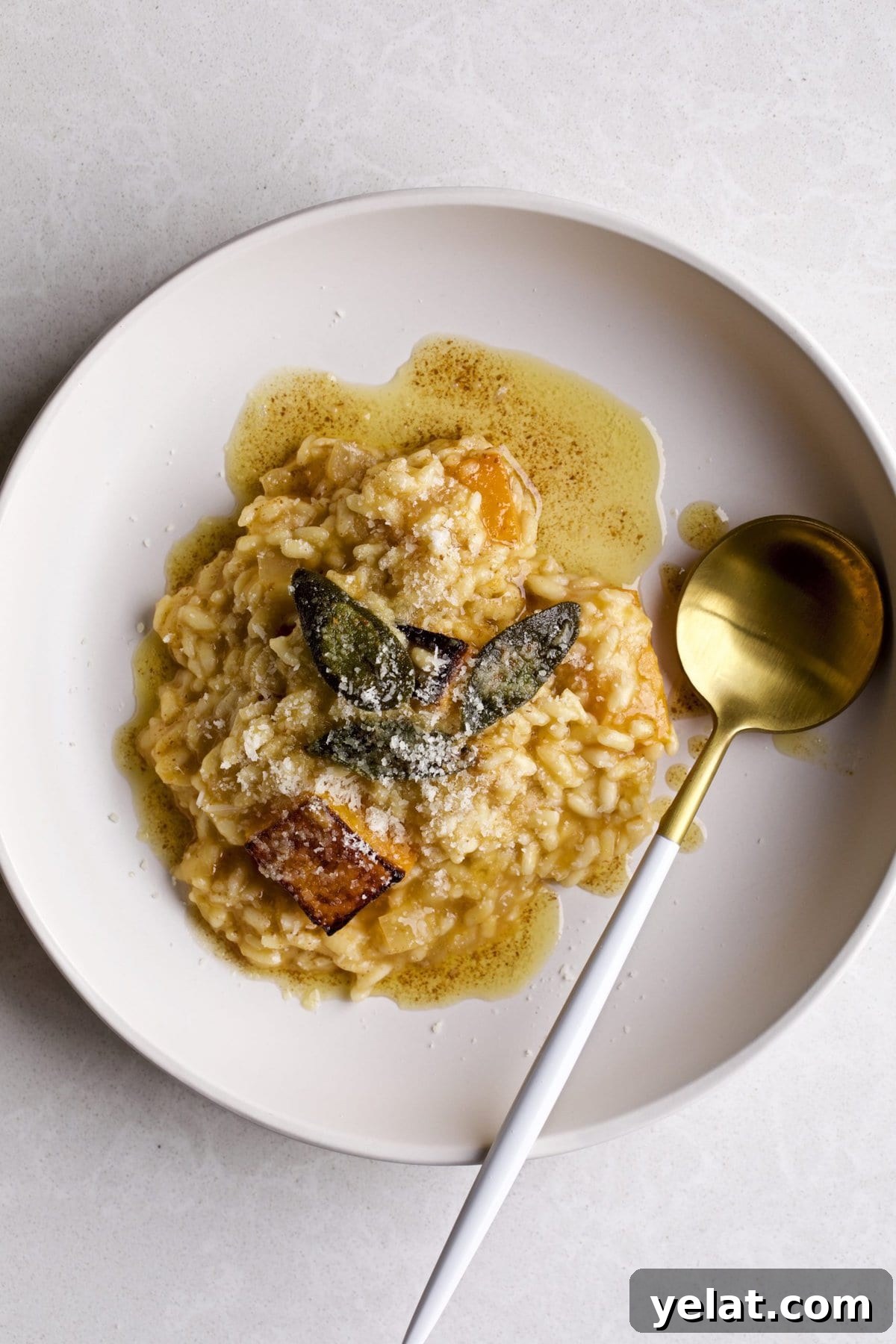
Roasted Butternut Squash Risotto – An authentic, creamy risotto with roasted squash and brown butter sage that works as a flavorful side or satisfying main.
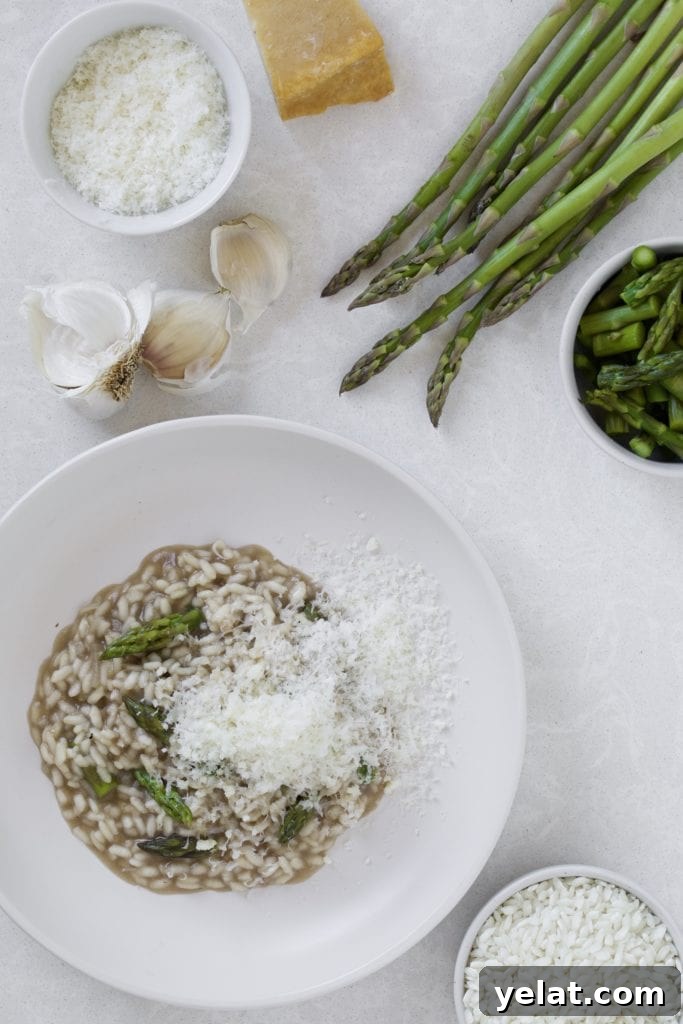
Asparagus Risotto – A vegetarian option cooked in mushroom broth to deepen the flavor and complement fresh asparagus.
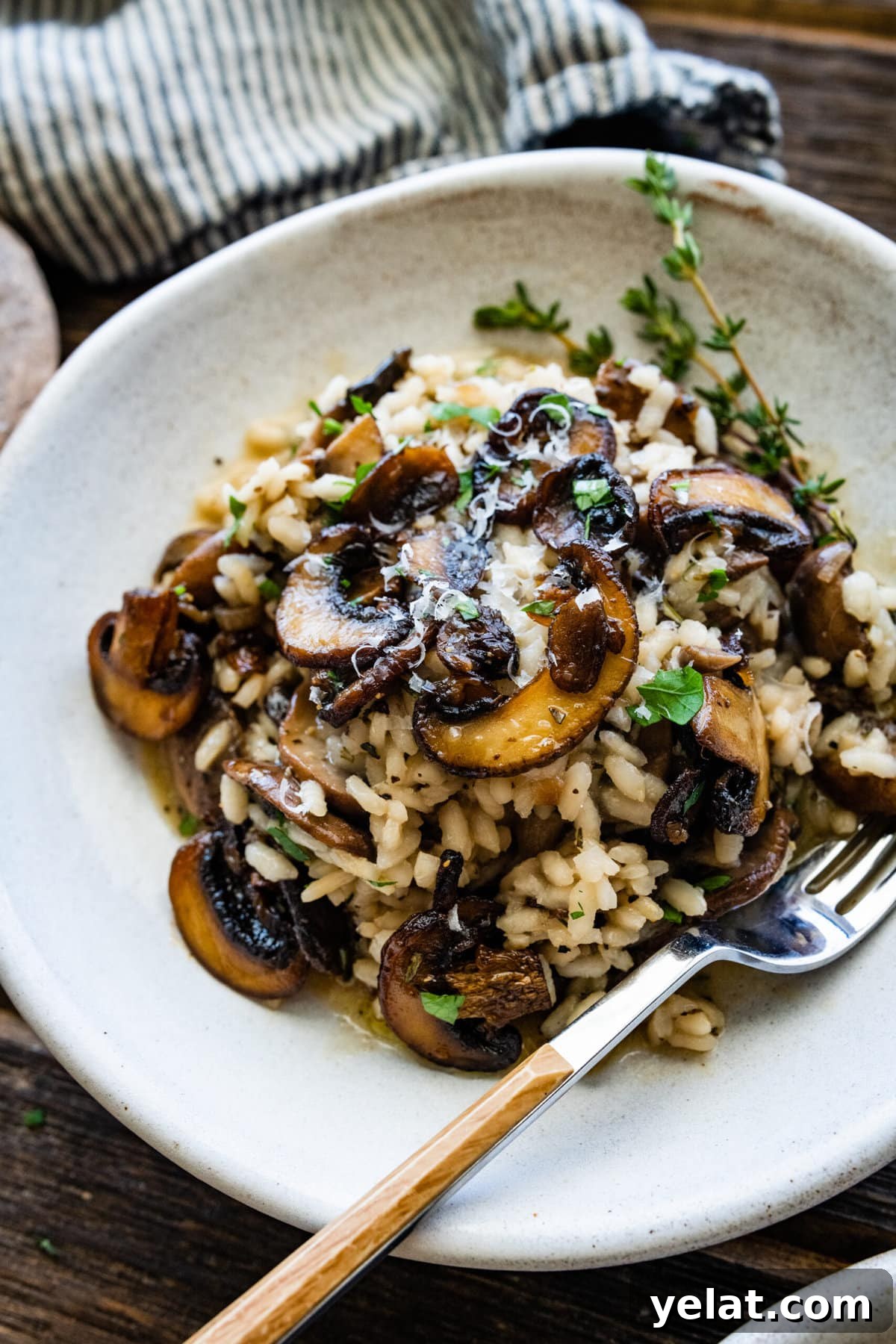
Mushroom Risotto – Earthy mushrooms and savory stock create a classic, comforting risotto packed with umami.
Orzo vs. Risotto – What’s the Difference?
The essential distinction is ingredient versus dish: orzo is a pasta shaped like rice and is boiled like other pastas; risotto is a prepared rice dish made by slowly incorporating hot liquid and stirring to coax out starch for a creamy sauce. Texture, cooking technique, and typical flavorings differ, so they’re not direct substitutes, though orzo can be adapted into risotto-like preparations with different results.
No. Orzo is a small pasta made from wheat or whole-grain flour. Risotto is a rice-based dish made by slowly cooking rice in stock until it forms a thick, creamy consistency.
Nutritional value depends on ingredients and preparation. Orzo and risotto both provide carbohydrates and some protein; the healthiness of a finished dish varies with added fats, proteins, and vegetables.
You can use orzo in recipes that mimic risotto’s flavors, but because orzo is pasta, it cooks differently and can become mushy if treated exactly like arborio rice. Expect a different texture and adjust cooking accordingly.
If you try any of these recipes, leave a star rating and a comment — I love to hear how your dishes turn out.
Tag me on Instagram @cucinabyelena to share your creations and follow my Pinterest for more ideas.