As a child I dreamed of being a baker rather than a chef—my sweet tooth had other plans. Life led me down a different path, but my passion for baking never faded. I still imagine opening a small bakery someday, sharing authentic Spanish breads and pastries. Over the years I’ve baked well over 500 loaves at home, and we rarely buy bread because we prefer what I bake. Many family and friends have asked me how to make a sourdough starter, and after explaining it dozens of times, I decided to record a simple video and share the method here. This guide focuses on creating your starter—the foundation that will lead to your first homemade sourdough loaf and many more after that.
INGREDIENTS:
-
2 teaspoons flour
-
2 teaspoons water
-
1 teaspoon grated apple (or any other fruit)
PREPARATION:
-
Grate approximately one teaspoon of apple, including both zest and flesh. In a clean jar or container, combine the grated apple with 2 teaspoons of flour and 2 teaspoons of water. Stir for about 15 seconds, then cover loosely so the mixture can breathe and leave it at room temperature until the next day. This mixture is your starter—you can name it if you like (mine’s been called Pepito and other affectionate names over the years).
-
On the first feeding, add the same amount of flour and water as the starter’s current volume. For day one that means 2 teaspoons of flour and 2 teaspoons of water. Mix with a spoon, close the jar loosely, and leave it at room temperature in a quiet corner of the kitchen.
-
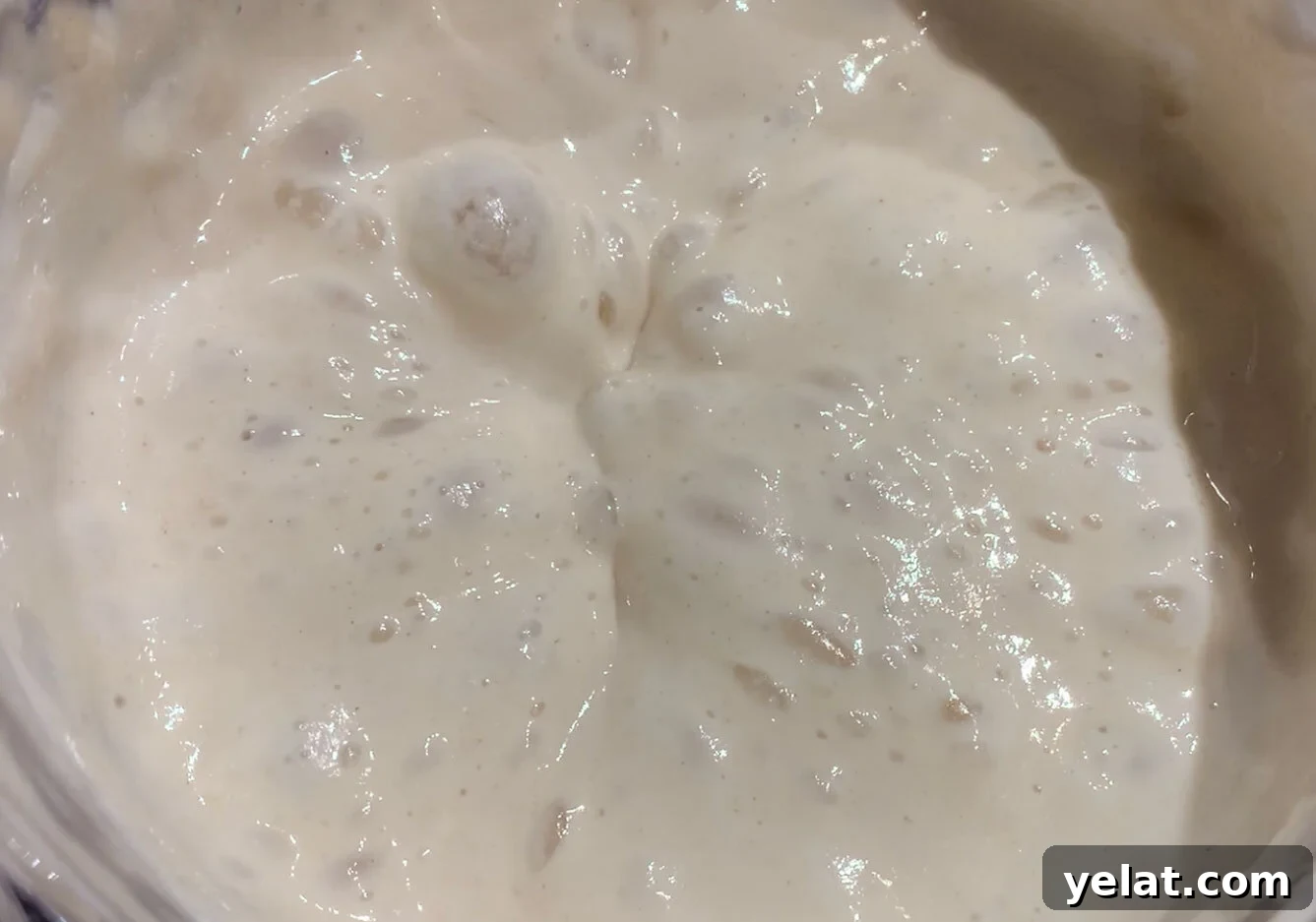
Repeat this feeding every day, always adding equal parts flour and water by volume to match the starter you have in the jar. As the starter develops, increase those amounts in equal proportions so the starter can grow. From about day three, you’ll notice the starter rise a few hours after feeding and then fall back—this is normal. Texture and density may vary (slightly looser or thicker), but that won’t affect the wild yeasts that are colonizing the mixture.
-
Depending on your room temperature and the ingredients you use, the starter will usually be ready to bake with anywhere between five and nine days. When it consistently rises and shows bubbles after feeding, it’s likely mature enough to leaven your first loaf.
HOW TO FEED YOUR SOURDOUGH STARTER AND HOW TO STORE IT
To maintain your starter, feed it at least once a week by adding equal volumes of flour and water to match the starter in the jar. Mix well and make sure the container has enough room to expand. For routine storage, keep your starter in the refrigerator—this slows its activity and keeps it healthy for longer. Take it out only to feed it or to prepare dough. If you plan to be away for a month, you can freeze a portion of the starter or ask a trusted neighbour to care for it briefly. If you’ll be gone only a couple of weeks, feeding it well before you leave and again when you return will usually keep it fine. When you take it out to bake, feed it and allow it to become active at room temperature before using.
Sourdough baking is rewarding: the flavor, texture, and aroma of a fresh loaf are unmatched. With a little attention and regular feedings, your starter will be a reliable companion that helps you bake delicious, wholesome bread at home. Happy baking!